

Plan your Italy route first
Choosing where to go is the hardest part of planning an Italy trip because the country is long and diverse. Picking three unrelated regions often leads to burnout and wasted days. Instead, group your stops by geography to keep travel time low and experience high.
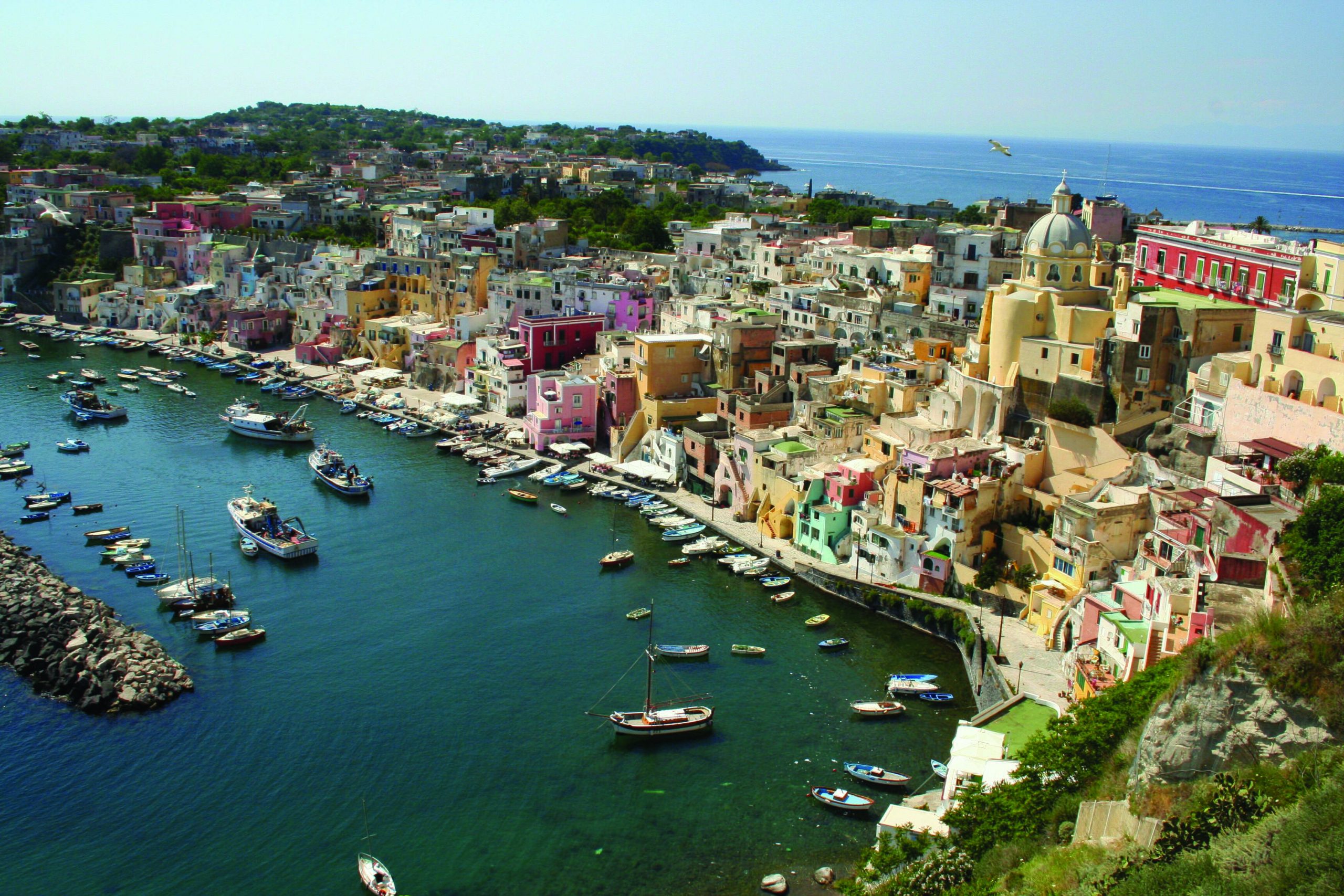
Italy is roughly the shape of a boot. Most travelers pick one of three main areas: the rolling hills of Tuscany, the coastal energy of Sorrento, or the alpine lakes of Northern Italy. Each offers a distinct rhythm. Tuscany is for slow mornings and wine. Sorrento is for sea views and citrus. Northern Italy is for mountains, lakes, and fashion.
Compare the three primary regions below to see which fits your travel style. Use this table to filter by season and trip length before booking flights.
| Region | Vibe | Best Season | Ideal Length |
|---|---|---|---|
| Tuscany | Rustic, slow-paced, culinary | April–June, September–October | 7–10 days |
| Sorrento | Coastal, lively, historic | May–September | 5–7 days |
| Northern Italy | Alpine, chic, scenic | June–September, December (skiing) | 7–12 days |
Once you pick a region, build a base-and-explore itinerary. Stay in one central town and take day trips to nearby villages. This reduces the friction of packing and unpacking, which is the biggest time-sink in Italian travel. Keep your lodging in places with good train or bus connections to maximize your time seeing sights, not moving luggage.
Pack light for European trains
Packing for Italy is less about fashion and more about logistics. The primary constraint is your ability to move quickly between cities using regional and intercity trains. Italian stations are often historic, with long distances between platforms, steep stairs, and elevators that are frequently out of order. Your luggage needs to be agile enough to handle these obstacles without assistance.
Think of your suitcase as a piece of gym equipment rather than a storage unit. If you cannot lift it onto the overhead rack above your seat or carry it up three flights of stairs without breaking a sweat, it is too heavy. Most regional trains in Italy have limited luggage space, and during peak tourist season, racks fill up fast. A 20-inch carry-on is the maximum size you should consider. Anything larger will require checking, which adds time, cost, and the risk of lost bags.
Choose a bag with smooth-rolling wheels and a sturdy handle. Hard-shell cases can crack on train steps, while soft-sided bags offer more flexibility for squeezing into tight spaces. If you prefer a backpack, ensure it has a padded back and hip belt. You will be walking on cobblestones, and a poorly fitted pack will ruin your trip before it begins.
The goal is to pack enough clothes for a week but wash them mid-trip. Italy has excellent laundry services, and many hostels and hotels offer self-service machines. This approach frees you from carrying bulky items and keeps your mobility high.
-
20-inch carry-on suitcase or travel backpack
-
Wrinkle-resistant, layerable clothing
-
Compact laundry bag for mid-trip washes
-
Universal power adapter (Type L)
-
Lightweight daypack for daily excursions
When you travel light, you gain the freedom to change plans on a whim. You can hop on a last-minute train to a smaller town without worrying about baggage claim or taxi fees. This flexibility is the true luxury of Italian travel.
Dress for Church and Climate
Italy’s weather shifts quickly from north to south, and its cultural norms demand respect in sacred spaces. Packing the right layers ensures you stay comfortable while navigating everything from misty Alpine trails to sun-drenched Roman piazzas.
Church Dress Codes
Most cathedrals enforce strict modesty rules. Shoulders and knees must be covered for both men and women. Carrying a lightweight scarf is the most practical solution; it doubles as a wrap for chilly buses and a quick cover-up for church entries. Avoid sleeveless tops, short shorts, or low-cut necklines when visiting major sites like the Duomo in Milan or St. Peter’s Basilica.
Regional Climate Strategy
Pack layers that breathe. Northern Italy (Milan, Venice) can be damp and cool even in summer, so a light windbreaker is essential. Central Italy (Rome, Florence) sees hot, dry summers and mild winters. Southern Italy and the islands (Naples, Sicily, Sardinia) require sun protection and breathable fabrics like linen or cotton. A versatile outfit combines a long-sleeve shirt, lightweight trousers, and comfortable walking shoes.
Book trains and tickets early
Italy’s rail network is efficient but crowded, and popular routes sell out weeks in advance. Booking high-speed trains and major attraction tickets early saves money and prevents itinerary disruptions. This guide walks you through the logistical steps to secure the best fares and entry passes.
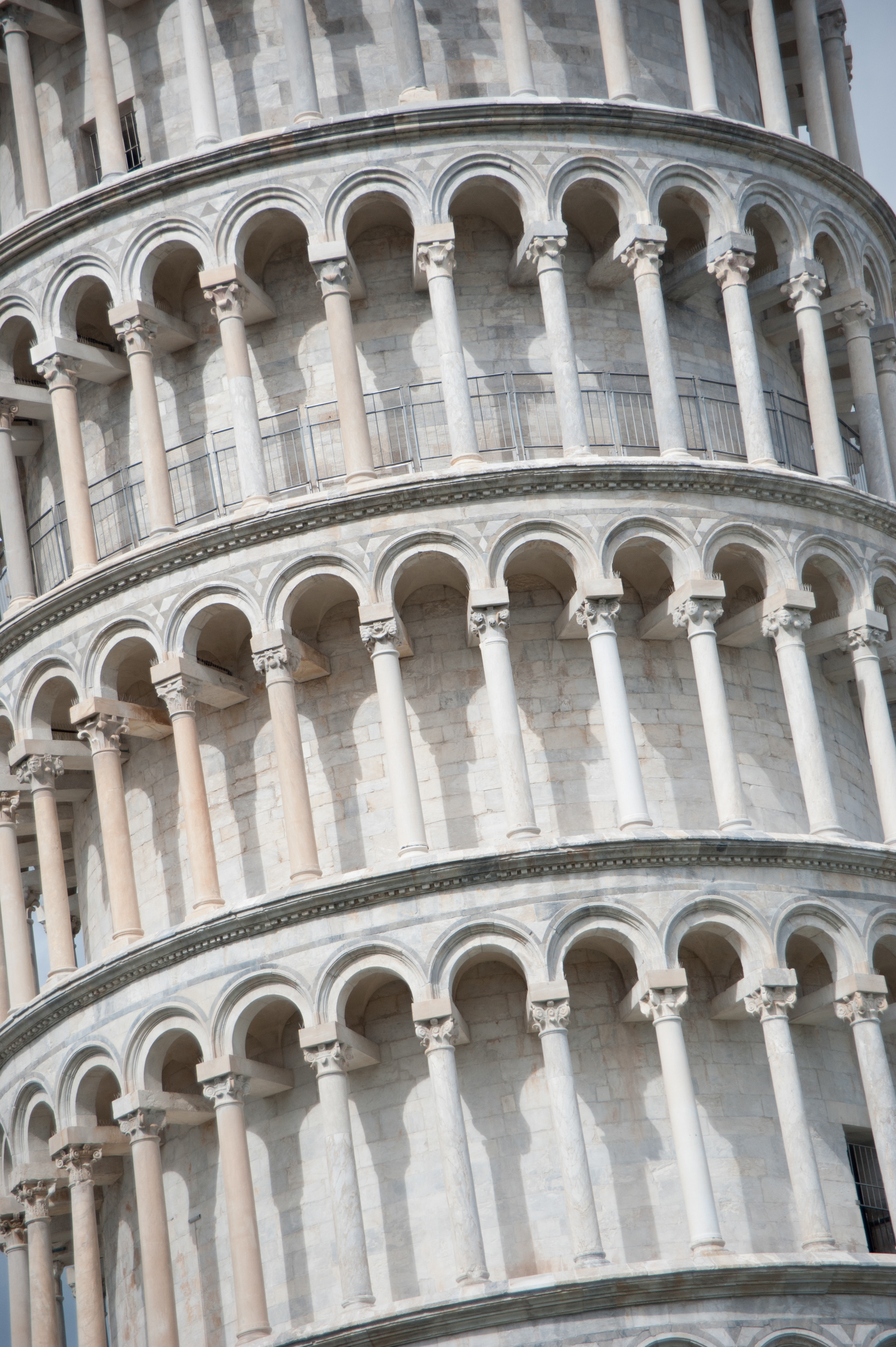
Use Trenitalia or Italo for high-speed Frecciarossa and Italo trains. Prices rise as departure approaches, so book 60-90 days out for the lowest fares. These tickets are non-refundable but often changeable for a fee. Avoid regional trains for long distances; they are slower and do not require advance reservation.
Major sites like the Colosseum, Uffizi Gallery, and Vatican Museums require timed entry slots. Book directly through official websites to avoid third-party service fees. These venues often sell out days in advance, especially during peak season. If official sites are full, reputable tour operators offer guided entry as a backup.
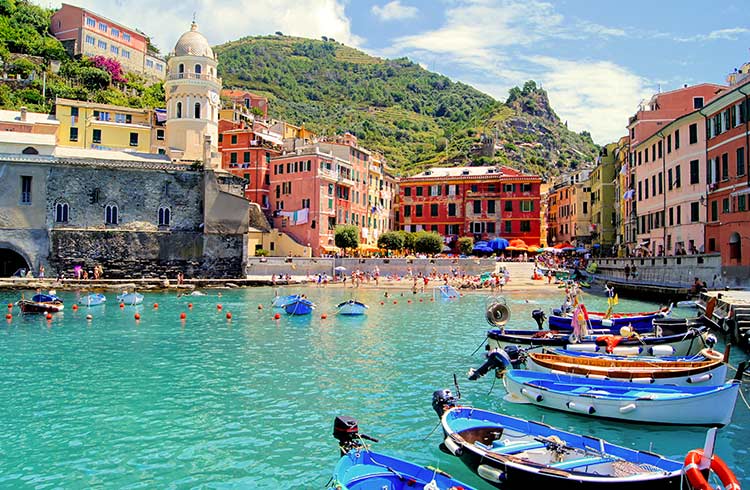
Cities like Rome, Milan, and Florence offer public transport passes. These are cost-effective if you plan multiple daily trips on the metro or buses. Calculate your expected usage before purchasing; a single ticket or day pass may be cheaper for lighter itineraries. Always validate paper tickets in the machine before boarding.
Save all e-tickets as PDFs and take screenshots. Internet connectivity can be unreliable in tunnels or rural areas. Double-check train platform numbers and gate assignments, as these change frequently. Arrive at stations 20 minutes early for domestic trains and 30 minutes for international departures.
Avoid common tourist mistakes
Italy rewards patience. The most frequent error visitors make is overpacking their itinerary, treating the country like a checklist rather than a place to live. When you rush from one monument to the next, you miss the rhythm of daily life. Instead, leave large gaps between activities. Use that time to sit at a café, watch the world go by, or simply wander without a map. This relaxed approach is not just a luxury; it is the best way to experience the culture.
Dining scams are another trap to watch for. Some restaurants in tourist-heavy areas display menus without prices, leading to inflated bills. Always confirm the cost per person or per item before ordering. If a menu seems unclear, move to the next establishment. Similarly, avoid eating in immediate proximity to major landmarks like the Colosseum or Duomo, where prices are often marked up significantly for the view.
Public transport requires a different mindset than in many other countries. Trains and buses rarely run on strict, minute-by-minute schedules during peak hours. Delays are common, especially in summer. Do not plan your entire day around a specific train departure time. Build in buffer time for connections, and always validate your ticket before boarding to avoid hefty fines for traveling without one.
No comments yet. Be the first to share your thoughts!