

Best times to visit Tuscany and Sorrento
Choosing when to visit depends on how you want to experience these two distinct regions. Tuscany and Sorrento have different microclimates and seasonal rhythms. Spring and autumn offer the best balance of weather and atmosphere, while summer brings heat and crowds.
Spring (April to June) is ideal for Tuscany. The countryside turns green, and wildflowers bloom in the Val d'Orcia. Temperatures are mild, making it perfect for cycling through vineyards. However, this is also the most popular time for tourists, so book accommodations early.
Summer (July and August) is hot and busy in both regions. In Sorrento, the Amalfi Coast draws millions of visitors. The heat can be intense, especially in inland Tuscany. If you visit then, expect higher prices and longer lines at major sites. Early morning or late evening is the only comfortable time for sightseeing.
Autumn (September to October) is the harvest season. In Tuscany, this means grape and olive harvests, with many agriturismi offering special events. The weather remains warm but pleasant. Sorrento is also lovely, with fewer crowds than summer. It is a prime time for food and wine lovers.
Winter (November to March) is quiet and cool. Many coastal businesses in Sorrento close for the season. Tuscany remains open, especially Florence and Siena, but rural areas are less accessible. This is the best time for budget travelers who prefer museums and city culture over beach days.

What to wear in Italy for comfort and culture
Dressing for Italy means balancing two competing demands: the practical need to walk miles on uneven stone, and the social expectation to look put-together. Locals rarely wear gym clothes or athletic sneakers in public, even for casual errands. Your wardrobe should lean toward "smart casual"—clean lines, neutral colors, and fabrics that breathe.
Start with your feet. You will walk more than you expect, often on cobblestones that are slippery when wet or uneven in historic centers. Leave the flip-flops at the hotel. Choose broken-in leather sandals, loafers, or minimalist sneakers with good arch support. Avoid heavy hiking boots unless you are actually hiking; they signal "tourist" and can feel out of place in a Milanese cafe or a Florentine piazza.
Layering is your best friend. Italian architecture is stunning but often lacks modern climate control. Churches and older buildings can be surprisingly cold in summer due to thick stone walls, while summer streets in Rome or Naples can feel like ovens. A light cardigan, scarf, or blazer that packs easily allows you to adapt instantly. This also serves a second purpose: modesty.
Church visits require specific attire. Regardless of the season, cover your shoulders and knees. This rule applies strictly to major sites like the Duomo in Milan or St. Peter's Basilica in Rome, where security guards may deny entry to those who are underdressed. Carry a lightweight scarf or shawl in your day bag. If you wear shorts or a skirt above the knee, drape the scarf over your legs to pass the checkpoint. For dining, Italians dress up for dinner. A simple dark pair of jeans, a nice blouse, or a collared shirt is sufficient. You do not need formal wear, but avoid ripped jeans, athletic wear, or beach attire after 6 PM.
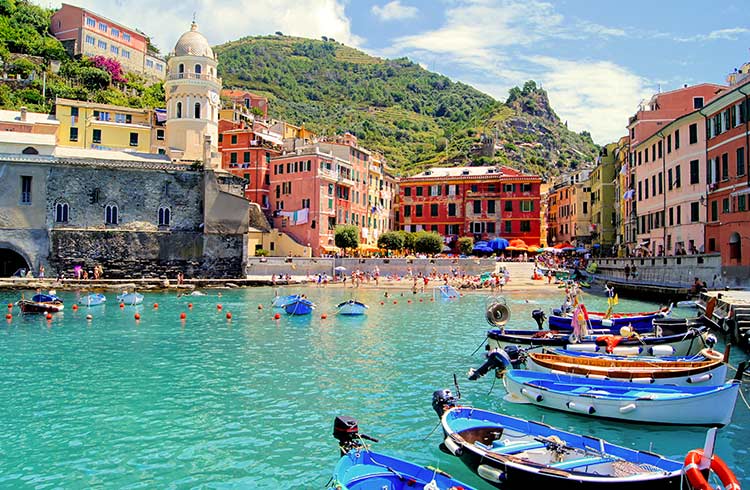
What to pack for Italy
Packing for Italy is less about volume and more about versatility. You will walk more than you plan to, often on uneven cobblestones, and you will move between cool, air-conditioned museums and warm, humid piazzas. The goal is a capsule wardrobe that transitions easily from day tours to evening dinners without requiring you to check a bag.
Start with footwear. Comfort is non-negotiable. Bring two pairs of broken-in walking shoes: one sturdy pair for days involving hills or long distances, and one slightly dressier pair for evenings. Avoid heels or stiff new leather that hasn’t been softened. For Sorrento’s warmer coastal days, a pair of breathable sandals works well, but keep them simple and supportive.
Choose fabrics that breathe and resist wrinkles. Linen, cotton, and lightweight merino wool are ideal for Tuscany’s variable spring and autumn weather. Layering is key; a light cardigan or blazer can be thrown over a t-shirt for a quick museum visit or a dinner reservation. Stick to a neutral color palette—navy, black, white, and beige—so everything mixes and matches easily.
Don’t forget practical accessories. A small crossbody bag keeps your hands free and your valuables secure against pickpockets in crowded areas like Florence’s Duomo or Rome’s Termini station. A compact umbrella and a reusable water bottle are also smart additions. Italy has excellent tap water in many cities, and carrying a bottle helps you stay hydrated while walking.
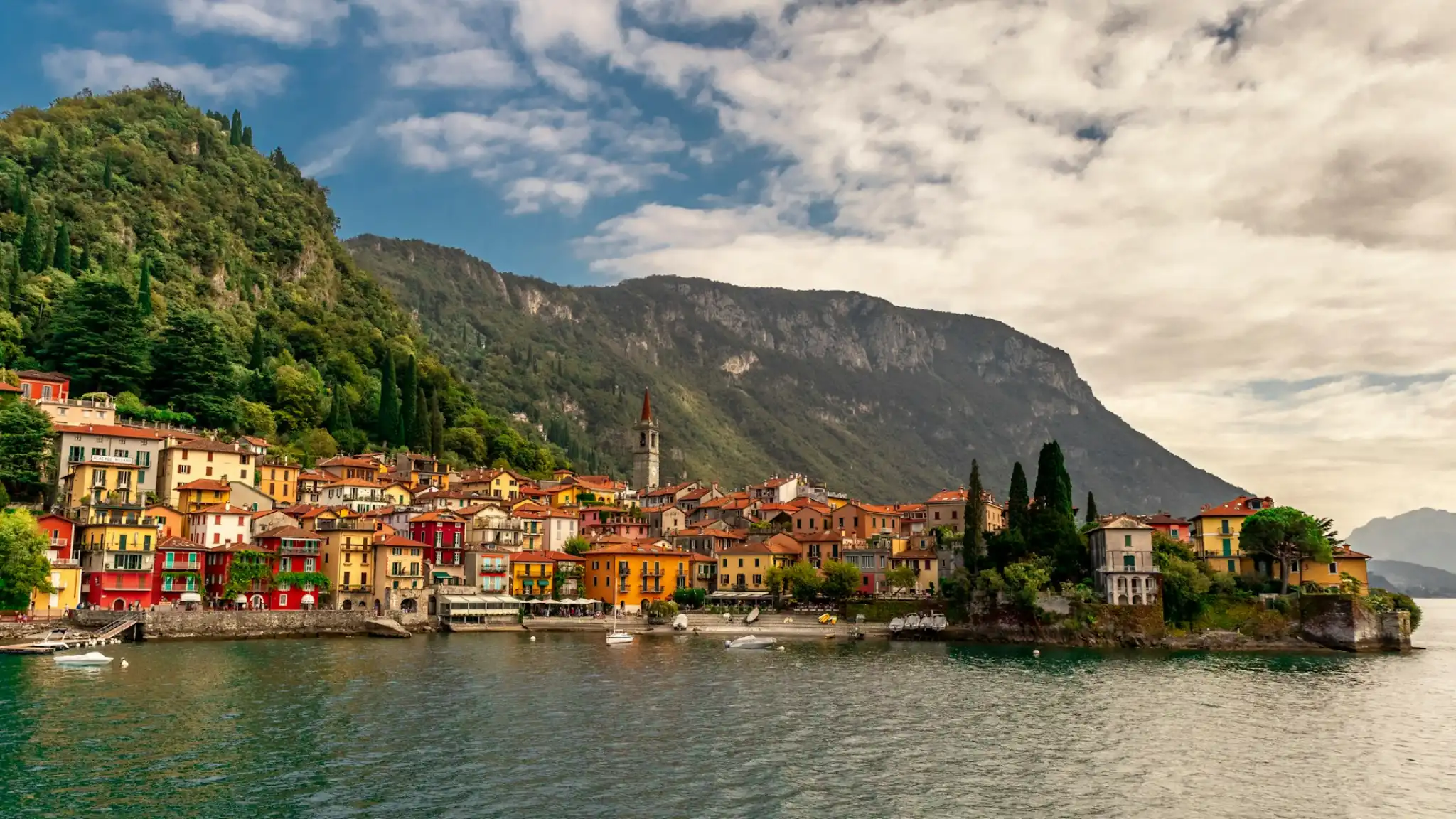
Checklist
- Comfortable walking shoes (broken in)
- Dressier casual shoes for evenings
- Lightweight layers (cardigan, blazer)
- Breathable fabrics (linen, cotton)
- Crossbody bag with zipper
- Compact umbrella
- Reusable water bottle
Getting around Tuscany and Sorrento
Moving between Tuscany and Sorrento involves a mix of high-speed rail, regional trains, and coastal ferries. The journey requires planning because these regions are not directly connected by a single seamless line. You will likely transfer in Rome or Naples, turning the trip into a multi-leg adventure rather than a simple commute.
Trains: The Backbone of Italian Travel
For most of your itinerary, trains are the most efficient way to get around. The high-speed Frecciarossa or Italo trains connect major hubs like Florence and Rome quickly and comfortably. Within Tuscany, regional trains serve smaller towns like Siena and Lucca, though they are slower and less frequent.
Stations in both regions are generally well-located, often placing you within walking distance of the historic center. However, always verify your platform number on the departure boards, as delays or track changes can happen. Buying tickets in advance online usually saves money and guarantees a seat on busy routes.
Ferries and Coastal Connections
Once you reach the Sorrento Peninsula, the focus shifts to the coast. Ferries from Naples or Sorrento to Capri and Ischia are frequent during the tourist season. These boats offer scenic views of the Bay of Naples but can be expensive and subject to weather cancellations.
Book ferry tickets early for the summer months. The sea can be rough, and last-minute availability is often limited. If you are traveling with heavy luggage, consider whether a ferry is the best option, as loading and unloading can be cumbersome.
Rental Cars: Freedom vs. Stress
Renting a car in Tuscany offers flexibility for exploring the countryside, vineyards, and hilltop villages that trains don’t reach. However, driving in Italian cities is stressful. ZTL (Limited Traffic Zones) restrict access to historic centers, and fines are automatic and steep. Parking is scarce and often paid.
If you choose to drive, stick to rural routes and use park-and-ride facilities on the outskirts of towns. For Sorrento, a car is less necessary as the coastal path and local buses connect major spots. Save the rental for the Tuscan countryside where public transport is sparse.
Practical Tips for Smooth Travel
- Book train tickets early: Prices rise as the departure date approaches. Use official sites like Trenitalia or Italo.
- Validate regional tickets: If you buy a paper ticket for a regional train, stamp it in the yellow machine before boarding. Unstamped tickets are void.
- Check ferry schedules: Winter schedules are reduced. Always check for cancellations due to weather.
- Avoid driving in cities: Use trains or buses for city-to-city travel. Reserve cars for rural exploration.
Traveling between these regions is part of the experience. Allow extra time for transfers and enjoy the view from the train window or the ferry deck. Rushing through Italy defeats the purpose of the trip. Slow down, savor the journey, and let the logistics unfold naturally.
Top experiences in Tuscany and Sorrento
Defining your trip through Tuscany and Sorrento means balancing the iconic with the intimate. Rather than rushing through every landmark, focus on activities that ground you in the local rhythm. In Tuscany, the landscape itself is the primary attraction; in Sorrento, the coastline and culinary heritage take center stage.
Tuscany: Wine, Art, and Rolling Hills
Start your Tuscan experience in Florence, but treat it as a gateway rather than the sole destination. Spend one day exploring the Uffizi Gallery to see Renaissance masterpieces, then head south. The real magic happens in the countryside. Rent a car or join a small-group tour to visit Chianti or Montalcino. Wine tasting here is less about the bottle and more about the terroir—walk the vineyards, meet the winemakers, and taste the olive oil produced on-site.
For a break from the wine, visit the medieval hill towns of San Gimignano or Siena. These towns offer a tangible sense of history that feels preserved rather than staged. A morning walk through Siena’s Piazza del Campo, followed by a late lunch at a local trattoria, provides a perfect balance of culture and cuisine. Avoid the midday rush in popular spots; arrive early or stay for the evening atmosphere when the day-trippers have left.
Sorrento: Coastlines, Lemons, and Views
Sorrento serves as the perfect base for exploring the Amalfi Coast. The town itself is charming, with narrow streets lined with lemon groves and shops selling limoncello. Spend a day simply walking the coastline. The Path of the Gods (Sentiero degli Dei) offers one of the most dramatic hiking experiences in Italy, with steep cliffs dropping into the turquoise sea. It’s a moderate hike, but the views are unmatched.
Alternatively, take a ferry to Positano or Capri. Ferries are often cheaper and more scenic than driving the winding coastal roads. In Positano, focus on the beach and the steep, colorful houses. In Capri, visit the Blue Grotto early in the morning to avoid the crowds. Return to Sorrento for dinner, where fresh seafood and lemon-infused dishes are staples. The town’s evening passeggiata (evening stroll) along the waterfront is a local ritual you shouldn’t miss.
Practical Tips for Both Regions
Timing is everything. In Tuscany, spring and fall offer the best weather and fewer crowds. In Sorrento, summer is hot and busy; consider visiting in late spring or early autumn. Book wine tastings and popular museum tickets in advance. For transport, trains connect Florence to Rome efficiently, but a car is essential for exploring the Tuscan countryside. In the Amalfi Coast, rely on ferries and local buses rather than driving if you’re not comfortable with narrow, winding roads.
Common questions about traveling in Italy
Traveling in Italy often raises practical concerns about costs, safety, and local etiquette. Here are answers to the most frequent questions for visitors to Tuscany and Sorrento.
Is Italy expensive?
Italy can be pricey, but costs vary significantly by region and season. Tuscany and Sorrento are popular destinations, so prices for accommodation and dining are higher than in less touristy areas. To manage costs, eat where locals eat, avoid restaurants with picture menus near major sights, and book accommodations well in advance. Public transportation is generally affordable and efficient for getting between cities.
Is it safe to travel in Italy?
Italy is generally safe for tourists, with low rates of violent crime. The most common issue is pickpocketing in crowded areas like train stations, tourist sites, and on public transport. Stay vigilant with your belongings, use a money belt or hidden pouch, and avoid flashing expensive jewelry or electronics. Always keep copies of your passport and important documents separate from the originals.
What are the etiquette rules?
Respecting local customs enhances your experience. Dress modestly when visiting churches; cover shoulders and knees. Tipping is not mandatory as a service charge is often included, but rounding up the bill or leaving small change is appreciated for good service. When dining, wait to be seated, and avoid asking for cheese on seafood pasta or cappuccino after 11 am, as these are considered cultural faux pas.
No comments yet. Be the first to share your thoughts!