

Beyond the Postcard: Tuscany’s Untouched Corners
Florence and Siena are popular for good reason, but a different Tuscany awaits beyond these famous cities. Imagine rolling hills dotted with medieval villages where life moves at a slower pace and authenticity still reigns.
Travelers increasingly seek 'slow travel,' preferring to truly experience a place rather than just tick off landmarks. They look for hidden corners to connect with local culture, escape crowds, savor meals with families, and wander ancient streets.
Sustainable and responsible tourism in Tuscany is set to continue. While specific infrastructure changes for smaller villages aren't detailed, there's momentum towards preserving their character and supporting local communities. Villages are working to improve visitor accessibility while minimizing environmental impact.
This article aims to expand the Tuscan experience beyond Florence and Siena, uncovering secrets just off the well-worn tourist trails.
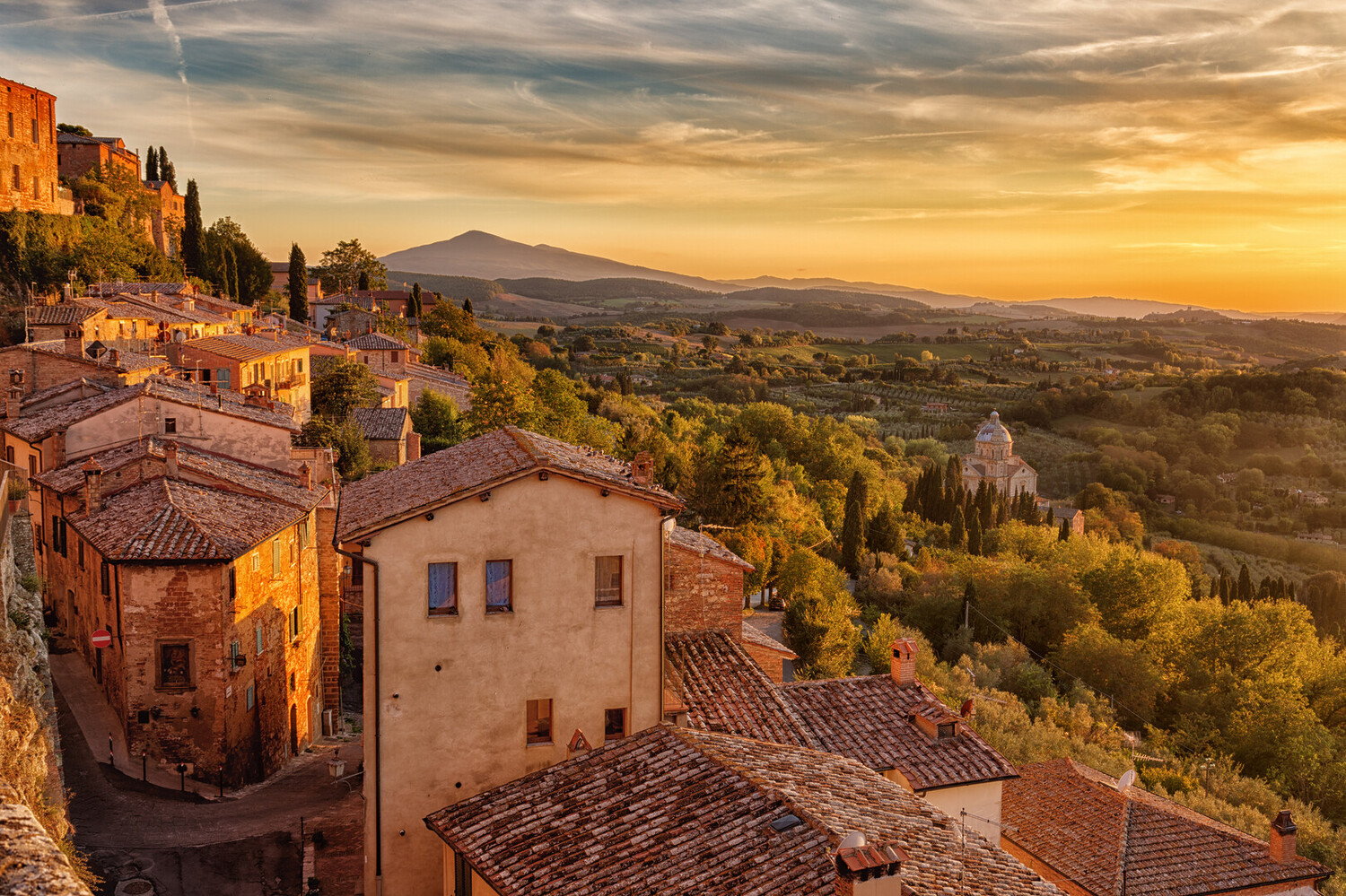
The Fifteen Villages: A First Look
Here are fourteen remarkable villages, each with unique charm and character, offering a glimpse into the heart of Tuscany. The selection includes a diverse range, from hilltop fortresses to coastal havens.
Pitigliano, known as "Little Jerusalem," is perched dramatically on a tufa ridge. Its Jewish heritage is evident in its historic synagogue and cultural traditions, making it ideal for history buffs.
Sovana, a former Etruscan and Roman settlement, has a quiet elegance. Its well-preserved medieval center and Etruscan tombs offer a journey back in time, ideal for those appreciating art and history at a relaxed pace.
Neighboring Sorano, while rougher around the edges than Sovana, is equally captivating. Its fortress and network of caves create a mysterious atmosphere, an excellent choice for adventurous travelers.
Montemerano is a beautifully preserved medieval village with views of the Maremma countryside. It serves as a base for exploring the thermal springs of Saturnia, perfect for a romantic getaway.
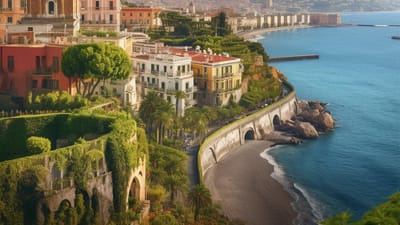
Scarlino offers a coastal escape, unlike many Tuscan hill towns. It's a charming village with a lively harbor and access to beautiful beaches, appealing to those wanting a mix of history and seaside relaxation.
Castiglione della Pescaia is another coastal village, known for its sandy beaches, pine forests, and delicious seafood. It's a popular destination for families and water sports enthusiasts.
Capalbio is a walled medieval town with a bohemian vibe, attracting artists and writers. Its Scalo district, by the sea, is lively, offering an alternative Tuscan experience.
Civita di Bagnoregio, technically in Lazio but often included in Tuscan itineraries due to proximity, is a 'dying city' perched atop a crumbling hill. It's accessible only by a footbridge and offers an unforgettable sight.
Volterra, with Etruscan origins and alabaster workshops, is steeped in history. While larger than some other villages, it retains a strong character, making it a good choice for those interested in artisan crafts.
San Gimignano, famous for its medieval towers, is popular. While it can get crowded, its iconic skyline is worth seeing. For solitude, other villages on this list offer a more peaceful experience.
Montepulciano, known for its Vino Nobile wine, is a hilltop town with views. It's a great destination for wine lovers and foodies. It can be busy, but its size allows for exploration away from main tourist areas.
Pienza, the Renaissance "ideal city," is a UNESCO World Heritage site. Its planned layout and panoramic views make it a must-see for those interested in architecture and urban planning.
Radicofani, a fortress town overlooking the Val d'Orcia, offers views and a sense of remote tranquility, a perfect destination for hikers and nature lovers.
Anghiari, a medieval hilltop town with a rich artistic heritage, is renowned for its battle reenactments, offering immersion in history and local traditions. Barga, a town with a strong Scottish connection, offers a blend of cultures and a lively atmosphere.
Road Tripping Essentials: Getting Around
Exploring these hidden villages requires planning, especially for transportation. Public transport is limited and infrequent, making a rental car almost essential for maximizing time and freedom. Expect winding roads and challenging driving conditions.
Driving in historic centers can be tricky. Many villages have Zona Traffico Limitato (ZTLs), restricted traffic zones where unauthorized vehicles are prohibited, leading to hefty fines. Always check for ZTL signs before entering a town center.
Parking can be a challenge, especially during peak season. Look for designated parking areas outside town walls and be prepared to walk. Road conditions are generally good, though some smaller roads are narrow and unpaved. An e-bike offers a sustainable and leisurely way to explore areas surrounding the villages.
Before traveling, check the latest travel advisories for Italy. The U.S. State Department’s website (travel.state.gov) provides up-to-date safety and security
Flavors of the Hidden Tuscany
Tuscan cuisine is renowned worldwide, but the flavors of these hidden villages offer a more authentic and regional experience. Forget the generic tourist menus; here, you’ll find dishes passed down through generations, using locally sourced ingredients.
The Maremma region, encompassing parts of southern Tuscany, is particularly known for its hearty cuisine, featuring wild boar, game meats, and acquacotta, a traditional vegetable soup. Coastal towns like Scarlino and Castiglione della Pescaia excel in seafood, serving fresh catches of the day.
Each village has its own specialties. Pitigliano is known for its Jewish-Tuscan cuisine, while Pienza is famous for its pecorino cheese. Don’t miss the opportunity to sample local olive oils, wines, and artisanal breads. Agriturismos – farm stays – are a fantastic way to experience the true flavors of Tuscany, often offering cooking classes and wine tastings.
Look out for local food festivals and sagre – village festivals celebrating specific foods or traditions. These events are a great way to immerse yourself in the local culture and sample regional delicacies. You'll often find these advertised on local tourism websites or on posters in town squares.
Tuscan Regional Specialties: A Culinary Journey Beyond the Cities
| Region | Main Ingredients | Typical Dishes | Wine Pairings | Vibe |
|---|---|---|---|---|
| Maremma | Wild Boar, Seafood, Pecorino Cheese, Olive Oil | Acquacotta (vegetable and bread soup), Cinghiale in Umido (wild boar stew), Spaghetti alle Vongole | Morellino di Scansano, Bianco di Pitigliano | Rustic, Coastal, Untamed |
| Val d’Orcia | Pecorino di Pienza, Chianina Beef, Truffles, Barley | Pici all'aglione (thick spaghetti with garlic and tomato sauce), Ribollita (bread and vegetable soup), Bistecca alla Fiorentina | Brunello di Montalcino, Vino Nobile di Montepulciano | Picturesque, Pastoral, Traditional |
| Chianti Classico | Sangiovese Grapes, Olive Oil, Pork, Seasonal Vegetables | Panzanella (bread and tomato salad), Peposo (beef stew cooked in Chianti wine), Cinta Senese Pork dishes | Chianti Classico, Chianti Classico Riserva | Rolling Hills, Vineyards, Refined |
| Garfagnana | Potatoes, Farro, Mushrooms, Game Meats | Tordelli Garfagnini (meat-filled pasta), Zuppa di Farro (farro soup), Polenta with Mushroom Ragù | Coltano Toscano, Bianco di Villa Garfagnana | Mountainous, Hearty, Authentic |
| Val di Chiana | Chianina Beef, Pecorino, Lentils, Truffles | Stracotti di Chianina (braised Chianina beef), Pici al Ragù di Cinghiale, Lenticchie di Onano | Rosso di Montepulciano, Vino Nobile di Montepulciano | Rural, Flavorful, Robust |
| Elsa Valley | Saffron, Chestnuts, Wild Game, Olive Oil | Pappardelle al Cinghiale (wide pasta with wild boar sauce), Castagnaccio (chestnut flour cake), Zuppa di Funghi | Elsa Rosso, Vin Santo del Chianti | Medieval, Historic, Cozy |
Illustrative comparison based on the article research brief. Verify current pricing, limits, and product details in the official docs before relying on it.
Accommodation: From Agriturismos to Boutique Stays
Accommodation in these villages ranges from charming agriturismos to boutique hotels and cozy B&Bs. Staying in the villages is highly recommended, as it allows you to experience their atmosphere after the day-trippers have left. It also supports the local economy.
Agriturismos offer a unique experience, allowing you to stay on a working farm and enjoy home-cooked meals prepared with fresh ingredients. B&Bs provide a more intimate and personalized experience, often run by local families. Boutique hotels offer a touch of luxury and style.
Expect to pay around €80-€150 per night for a mid-range B&B or agriturismo, and €150-€300+ for a boutique hotel. Prices vary depending on the season, location, and amenities. Booking platforms like Airbnb, Booking.com, and Expedia offer a wide range of options, but it’s always worth checking the village’s official tourism website for local recommendations.
While it's tempting to base yourself in a larger city like Florence and take day trips, you'll miss out on the authentic charm of these villages by not staying overnight. The evenings are when the villages truly come alive, with locals gathering in the piazza and restaurants offering a more relaxed atmosphere.
Packing & Practicalities for 2026
Comfortable walking shoes are an absolute must. You’ll be doing a lot of walking on cobblestone streets and uneven terrain. Layers are also essential, as the weather in Tuscany can change quickly, even during the summer months. A light jacket or sweater is always a good idea.
A phrasebook or translation app can be helpful, especially if you don’t speak Italian. While many people in tourist areas speak English, it’s always appreciated when you make an effort to communicate in the local language. Respecting local customs and traditions is also important – dress modestly when visiting churches and be mindful of noise levels.
Internet connectivity and cell phone coverage can be spotty in rural areas. Download offline maps and translation apps before you go, and consider purchasing a local SIM card if you plan to use your phone extensively. I've personally found that some of the more remote villages have limited or no Wi-Fi access.
Don't forget a reusable water bottle. Staying hydrated is crucial, especially during the warmer months. And finally, pack a sense of adventure and a willingness to embrace the unexpected. The best experiences often come from getting lost and discovering hidden gems.
Villages Worth a Second Look
From the fifteen villages we’ve explored, let’s focus on a few that truly stand out. Pitigliano is a must-visit for its dramatic setting and unique cultural heritage. Explore its Jewish quarter, wander through its narrow streets, and enjoy the stunning views from the fortress.
For a truly immersive experience, head to Montemerano. This beautifully preserved medieval village is a perfect base for exploring the surrounding Maremma countryside and the thermal springs of Saturnia. Spend a day soaking in the warm, mineral-rich waters and indulge in a traditional Tuscan meal.
Volterra offers a fascinating glimpse into Tuscany’s Etruscan past. Visit the Etruscan Museum, explore the Roman Theatre, and browse the alabaster workshops. It’s a great destination for art lovers and history buffs. The town is also a good base for hiking in the surrounding hills.
If you're looking for a coastal escape, Castiglione della Pescaia is an excellent choice. Relax on the sandy beaches, swim in the crystal-clear waters, and savor fresh seafood at one of the waterfront restaurants. It’s a perfect destination for families and water sports enthusiasts.
Finally, Radicofani provides a tranquil escape from the crowds. Hike to the fortress for panoramic views, explore the surrounding countryside, and enjoy the peace and quiet of this remote hilltop village. It's an ideal destination for those seeking solitude and natural beauty.
Staying Connected: Resources & Further Planning
To further plan your Tuscan adventure, several resources can be invaluable. The official tourism website of Tuscany (visittuscany.com) provides comprehensive information on attractions, events, and accommodation. Regional park websites, such as those for the Val d'Orcia and the Maremma, offer details on hiking trails and nature reserves.
YouTube channels like 'Travel Tips Group' () provide visual inspiration and practical advice. Rick Steves' website (blog.ricksteves.com) also has great insights into Tuscany and Italy in general.
Don’t hesitate to delve deeper into individual village websites for local events and hidden gems. And most importantly, I encourage you to share your own experiences and tips in the comments below. I’d love to hear about your discoveries and recommendations!
No comments yet. Be the first to share your thoughts!