

Beyond the Postcard: A Different Tuscany
Florence and Siena are undeniably beautiful. They’re the Tuscany of postcards, of art history textbooks, and for many, the reason to visit Italy. But to truly experience Tuscany in 2026, you need to look beyond those iconic cities. The crowds are growing, and the essence of this region – its quiet charm, its authentic traditions – is increasingly found in its smaller towns and rolling countryside.
It’s a shift in perspective, really. Instead of ticking off famous monuments, you’re seeking out hidden trattorias, exploring lesser-known vineyards, and getting lost on winding country roads. This isn't about dismissing Florence or Siena; it's about discovering the layers of Tuscany that lie beneath the surface. The "real’ Tuscany isn"t just in the Renaissance masterpieces, it's in the daily life of its people.
This guide aims to unveil those hidden gems. We'll journey away from the well-trodden paths to showcase the diverse landscapes and unique experiences that await those willing to venture a little further. From wild coastlines to lunar-like hills, from mountain forests to artisan workshops, Tuscany has a secret for everyone. It’s a place that rewards curiosity, and in 2026, that reward is more valuable than ever.
I've spent years exploring this region, and I've found that the most memorable moments aren't always planned. They’re the spontaneous conversations with locals, the unexpected discoveries around a bend in the road, and the feeling of being truly immersed in the Tuscan way of life. That's what I hope to share with you.
Maremma: Tuscany’s Wild Coast
The Maremma is a world apart. Located along the Tyrrhenian Sea, this southwestern coastal region of Tuscany was historically a vast marshland, plagued by malaria. Extensive reclamation efforts in the 20th century transformed the landscape, but it retains a wild, untamed character that sets it apart from the more manicured areas of Tuscany.
Expect long stretches of pine forests meeting sandy beaches, rugged cliffs, and a surprising amount of wildlife. The Parco Naturale della Maremma, established in 1975, is a haven for birdwatchers and nature lovers. It’s a place where you can truly disconnect and reconnect with the natural world.
Castiglione della Pescaia is a popular seaside resort, offering beautiful beaches and a charming harbor. Orbetello, known as the 'Little Venice' of Tuscany, sits on a lagoon and is famous for its unique urban layout. But for a truly unique experience, head to Pitigliano, a stunning town dramatically built into a tufa rock cliff – often called 'Little Jerusalem' due to its historical Jewish community.
The Maremma moves at a slower pace. It's a place to savor fresh seafood, explore ancient Etruscan ruins, and simply relax. It’s a Tuscany that feels less discovered, less polished, and all the more rewarding for it. A visit here offers a glimpse into a Tuscany that feels far removed from the tourist trail.
- Parco Naturale della Maremma: Perfect for hiking, birdwatching, and exploring the coastal ecosystem.
- Castiglione della Pescaia: A lively seaside resort with beautiful beaches.
- Orbetello: A charming town built on a lagoon, known for its unique architecture.
- Pitigliano: A stunning town dramatically built into a tufa rock cliff.
The Crete Senesi: Lunar Landscapes
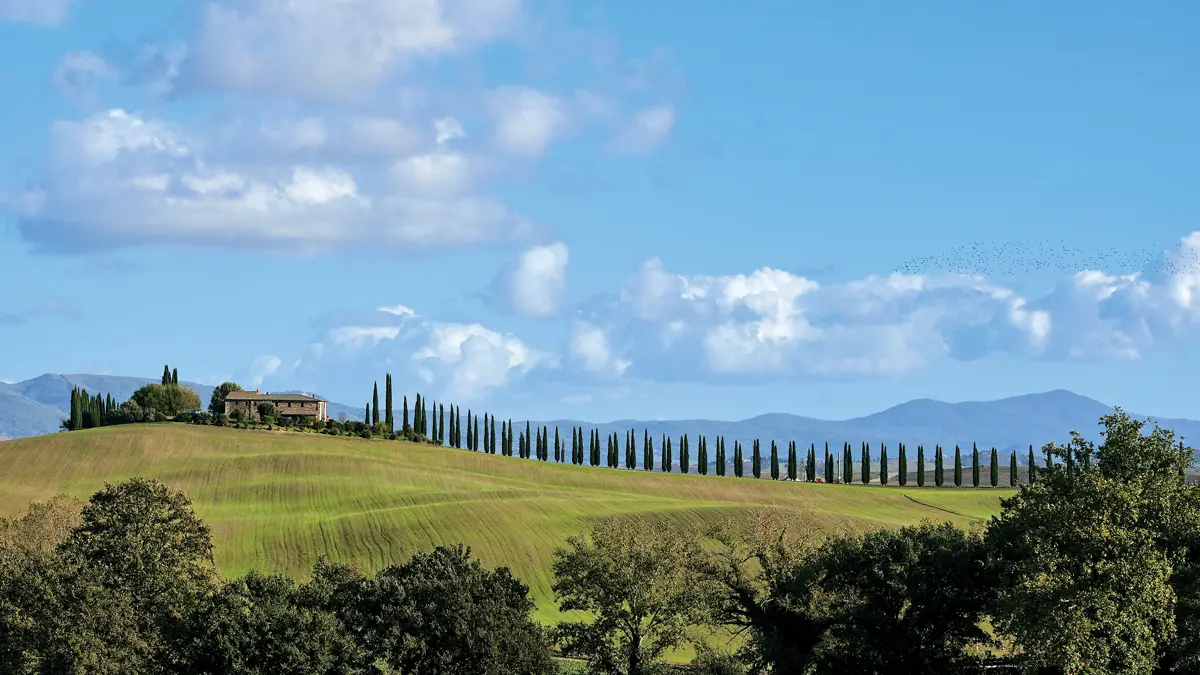
South of Siena lies the Crete Senesi – a landscape so unusual it feels almost otherworldly. These rolling hills aren’t green and lush like much of Tuscany; they’re composed of grey clay, creating a stark, lunar-like appearance. The unique formations are the result of marine sediments deposited millions of years ago and subsequent erosion.
The area is primarily agricultural, with vast fields of wheat and olive groves dotting the landscape. The clay soil is surprisingly fertile, but it also means the area can be quite arid during the summer months. The visual effect is striking, especially at sunrise and sunset when the light casts long shadows across the hills.
Asciano is a good base for exploring the Crete Senesi. From there, you can drive or cycle through the countryside, stopping at viewpoints to admire the scenery. Don’t miss the Abbazia di Monte Oliveto Maggiore, a magnificent Benedictine monastery with stunning frescoes. The monastery itself is a beautiful example of Renaissance architecture.
The Crete Senesi offer a different kind of Tuscan beauty – one that’s stark, dramatic, and deeply rooted in the land. It's a place that feels remote and timeless, a world away from the bustling cities. It’s a photographer’s dream and a place to truly appreciate the power of nature.
Garfagnana: Mountains and Local Life
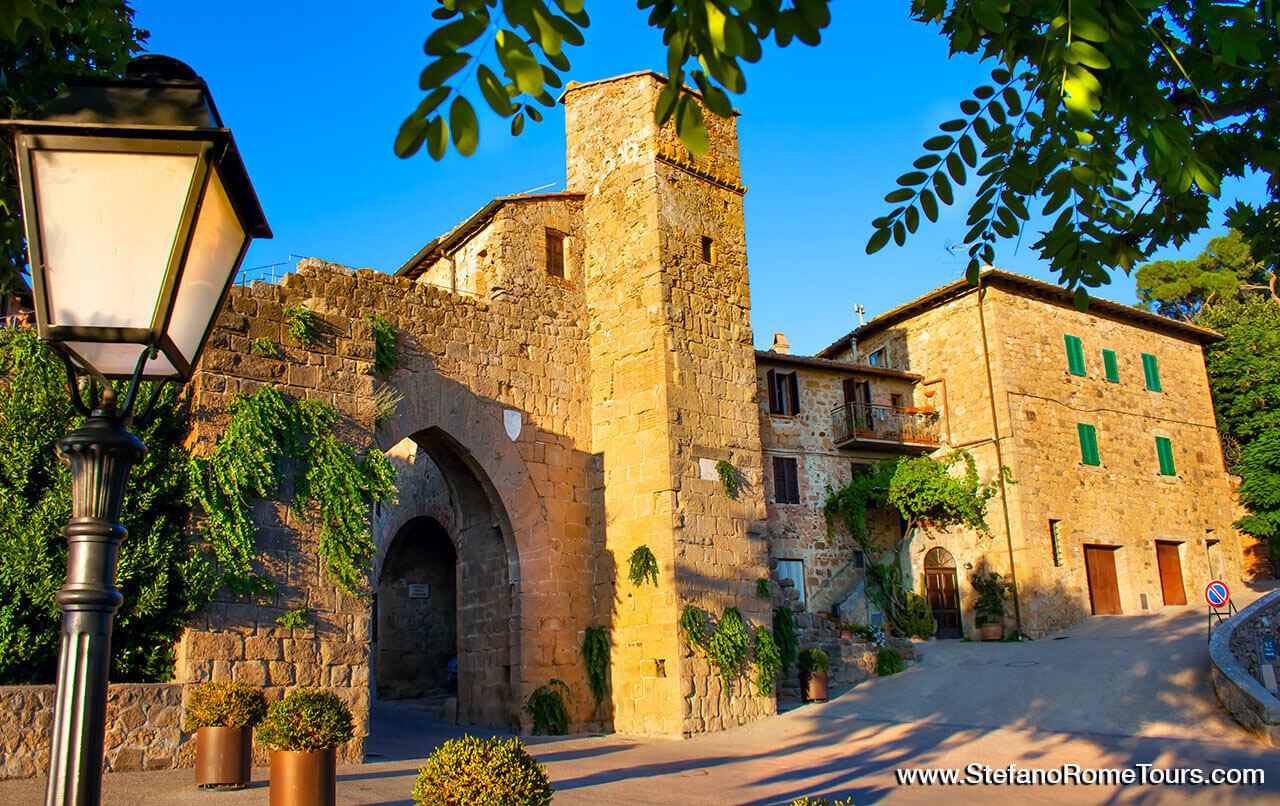
For a completely different Tuscan experience, head north to Garfagnana. This mountainous region, bordering Liguria and Emilia-Romagna, is a world of forests, rivers, and charming medieval villages. It’s a Tuscany for those who love the outdoors and want to escape the crowds.
Garfagnana offers excellent hiking and mountain biking trails, with routes ranging from gentle strolls to challenging climbs. The Apuan Alps provide a dramatic backdrop, and the area is known for its chestnut groves and abundant wildlife. The Serchio River offers opportunities for rafting and kayaking.
Barga, perched on a hilltop, is known for its beautiful architecture and its annual opera festival. Castelnuovo di Garfagnana, a larger town, is a good base for exploring the region. The local cuisine is hearty and flavorful, with dishes like farinata (a pancake made from chestnut flour) and wild boar stew being particularly popular.
Garfagnana is a place where you can experience a more authentic side of Tuscan life. It’s a region where traditions are still strong, and the pace of life is slower. I’ve always found the people here to be incredibly welcoming and proud of their heritage. It’s a Tuscany that feels genuinely undiscovered.
- Barga: Known for its architecture and opera festival.
- Castelnuovo di Garfagnana: A good base for exploring the region.
- Farinata: A savory pancake made from chestnut flour.
- Wild boar stew: A hearty local specialty.
Val d'Elsa: Artisans and Medieval Charm
The Val d'Elsa, the valley between Florence and Siena, is a treasure trove of medieval towns and artisan workshops. While San Gimignano is well-known for its towers, there’s much more to this area than just that iconic skyline. It’s a place where you can witness traditional crafts being practiced and purchase unique, locally made products.
Colle di Val d'Elsa is particularly famous for its crystal glass production. You can visit workshops and see artisans creating beautiful glassware using centuries-old techniques. The town also has a charming historic center and a lively atmosphere.
Explore the smaller towns and villages dotted throughout the valley, each with its own unique character and charm. Look for artisan workshops specializing in ceramics, leather goods, and textiles. This is a great place to find authentic souvenirs and support local businesses.
The Val d'Elsa offers a glimpse into the heart of Tuscan craftsmanship. It’s a region where tradition is valued, and the skills of past generations are carefully preserved. It’s a place to slow down, appreciate the artistry, and connect with the local culture.
Val d'Elsa Artisan Crafts: A Town-by-Town Comparison (2026)
| Town | Dominant Craft | Craft Characteristics | Price Range (Typical Souvenir Items) | Vibe Check |
|---|---|---|---|---|
| San Gimignano | Ceramics | Hand-painted pottery featuring traditional Tuscan landscapes, lemons, and heraldic symbols. Styles range from rustic to refined. | €15 - €200+ | Bustling and tourist-focused, with many workshops displaying wares directly to the public. A lively, colorful atmosphere. |
| Colle di Val d'Elsa | Crystal Glass | Known for its high-quality crystal production, including art glass, tableware, and decorative objects. Often features modern designs alongside classic techniques. | €30 - €500+ | More industrial in feel than San Gimignano, but with pockets of artisan workshops offering demonstrations and sales. A sense of quiet craftsmanship. |
| Certaldo | Leather Goods | Specializes in handcrafted leather items such as bags, wallets, belts, and jackets. Emphasis on traditional Florentine leatherworking techniques. | €40 - €300+ | A more relaxed and authentic atmosphere, with smaller, family-run workshops. Feels less geared towards mass tourism, offering a more intimate shopping experience. |
| San Gimignano | Ceramics | Terracotta production is also significant, including garden pots and architectural elements. Often unglazed or simply fired. | €10 - €80+ | A strong presence of tourist-oriented shops, but also dedicated artisan studios showing a commitment to traditional methods. |
| Colle di Val d'Elsa | Crystal Glass | Some workshops offer opportunities to participate in glassblowing demonstrations or workshops. | €25 - €400+ | A blend of established manufacturers and smaller artisan studios. A focus on quality and innovation. |
| Certaldo | Leather Goods | Leather is often vegetable-tanned, a more environmentally friendly and traditional process. | €20 - €250+ | A charming, medieval setting that complements the traditional craft. A more understated and authentic artisan experience. |
Illustrative comparison based on the article research brief. Verify current pricing, limits, and product details in the official docs before relying on it.
Chianti Rufina: Wine Beyond the Classico
When people think of Chianti, they often think of Chianti Classico. But there’s another Chianti region – Chianti Rufina – that deserves just as much attention. Located east of Florence, Chianti Rufina produces wines with a distinct character, often described as more elegant and refined than their Classico counterparts.
The terroir in Chianti Rufina is different, with higher altitudes and a cooler climate. This results in wines with brighter acidity, more floral aromas, and a generally lighter body. It’s a great option for those who prefer a more delicate style of Chianti.
Several wineries in Chianti Rufina offer tastings and tours. Frascoli and Selvapiana are two well-regarded producers worth visiting. Many agriturismi (farm stays) in the area offer wine tastings and the opportunity to sample local cuisine. I recommend booking in advance, especially during peak season.
Chianti Rufina offers a more intimate and less crowded wine-tasting experience. It’s a chance to discover a hidden gem within the world of Tuscan wine and to appreciate the diversity of this remarkable region. Don't hesitate to venture beyond the well-known names and explore what Rufina has to offer.
Practicalities: Getting Around & Staying Connected
Exploring these hidden gems of Tuscany really requires a car. Public transportation is limited in many of these areas, and having your own vehicle gives you the freedom to explore at your own pace. Be prepared for winding roads, especially in the mountains and hills. Consider a smaller car for navigating narrow streets.
Mobile data coverage is generally good in Tuscany, but it can be spotty in more remote areas. Wi-Fi is available in most hotels, restaurants, and cafes. It's a good idea to download offline maps before you go, just in case. Cycling is also a popular way to explore the countryside, but be prepared for hills.
When visiting these areas, it's important to be a responsible tourist. Respect the local culture, support local businesses, and minimize your environmental impact. Avoid leaving trash behind and be mindful of water usage. Remember that these are living communities, not just tourist attractions.
Tuscany is actively promoting sustainable tourism practices. Look for accommodations and tour operators that prioritize environmental responsibility and community engagement. By making conscious choices, you can help preserve the beauty and authenticity of this remarkable region for future generations.
What is your preferred way to explore the hidden gems of Tuscany beyond Florence and Siena?
Tuscany has so much more to offer beyond its famous cities, from hilltop villages to quiet countryside valleys. Whether you love the freedom of the open road or prefer a local expert showing you the way, we want to know how you like to discover the lesser-known corners of this iconic Italian region. Vote below and share your travel style with the Italy Tip community!
Tuscan Festivals: Beyond the Summer Season
Tuscany isn't just a summer destination. Throughout the year, a variety of festivals and events celebrate the region’s culture, food, and traditions. Venturing beyond the peak season can offer a more authentic and less crowded experience.
In the fall, Garfagnana comes alive with chestnut festivals, celebrating the local harvest. These festivals often feature food stalls, music, and traditional crafts. Throughout the Chianti region, wine festivals are held in the autumn, offering the chance to sample new vintages and learn about winemaking.
Medieval towns often host historical reenactments, bringing the past to life with parades, costumes, and demonstrations. Check local event listings for specific dates and details. Even in the winter, you can find Christmas markets and festive celebrations in many towns and cities.
Attending a local festival is a great way to immerse yourself in Tuscan culture and connect with the community. It’s a chance to experience the region from a different perspective and to create lasting memories. Don’t be afraid to stray from the well-trodden path and discover the hidden gems of Tuscany’s event calendar.
No comments yet. Be the first to share your thoughts!