

Spring weather shifts across regions
Packing for Italy in spring requires a shift in mindset. The country’s boot-shaped geography creates distinct microclimates that change rapidly between north and south. What feels like a crisp morning in Milan can turn into a humid afternoon in Sorrento. If you treat the entire country as one climate zone, you will either freeze or overheat.
The north, including cities like Venice and Milan, experiences the most volatile spring weather. Temperatures here can swing 15°C (27°F) between day and night. Mornings often start chilly and damp, while afternoons bring strong sun. Layering is not just a suggestion here; it is a necessity. A light waterproof jacket, a warm sweater, and breathable trousers form the core of your northern wardrobe.
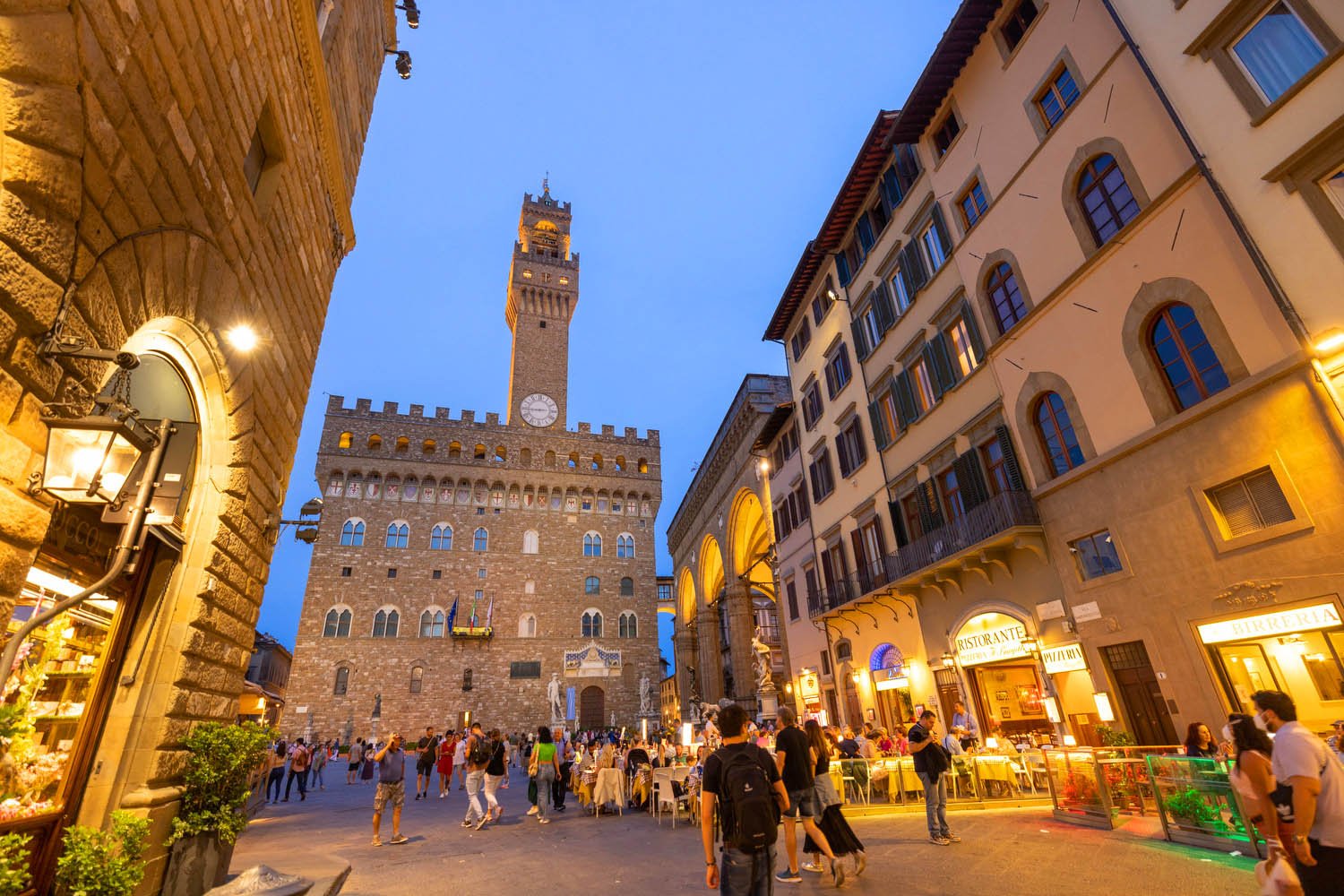
Tuscany sits in a middle ground but still demands flexibility. Florence and the Chianti countryside see mild days that cool down significantly once the sun sets. The landscape is lush and green, but rain is common. You will need comfortable walking shoes that can handle cobblestones and occasional puddles. Pack a light scarf or pashmina, which serves as both warmth and a respectful cover for visiting churches.
Further south, in regions like Campania and Puglia, the weather warms up faster. Sorrento and the Amalfi Coast often feel like early summer by late April. Light fabrics, sunglasses, and a hat become your primary tools. However, the sea breeze can still be brisk in the evening, so a light cardigan or denim jacket is wise. The key to successful Italy travel tips is recognizing that you are not packing for one destination, but for three very different environments.
Essential footwear for cobblestones
Your feet will do the heavy lifting in Italy, so choosing the right shoes is one of the most important Italy travel tips you can follow. The historic centers of Florence, Siena, and Rome are paved with uneven cobblestones, brick, and stone that can turn a pleasant stroll into a painful ordeal if you are wearing the wrong soles. Avoid anything with thin heels, flimsy canvas, or smooth leather bottoms that offer no grip.
The best strategy is to pack two pairs of sturdy, broken-in walking shoes. Leather sneakers or supportive walking sandals with good tread work well for most days. They look polished enough for dinner at a trattoria but provide the cushioning needed for hours on hard surfaces. Leave the brand-new shoes at home until you have tested them on your local pavement; blisters in Italy are not worth the risk.
If you want to dress up for a special evening, bring a second pair of flat, stylish shoes. Heels are generally impractical for navigating the old towns, and even wedges can sink into cracks or slip on wet stones. Prioritize comfort and stability over fashion trends, as you will likely walk five to ten miles a day exploring piazzas, vineyards, and ancient ruins.
Layering for Tuscany and the North
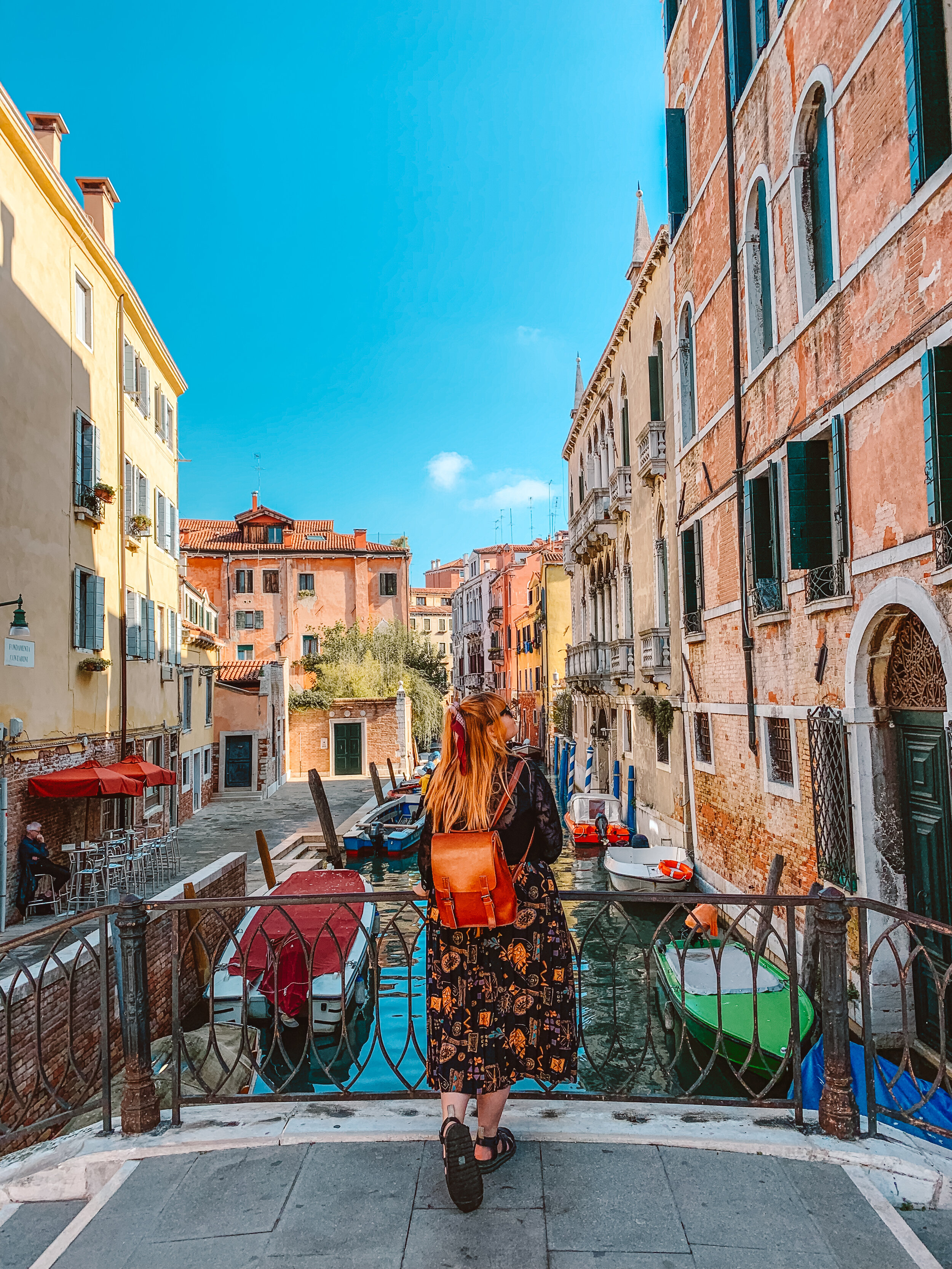
Weather in Tuscany and Northern Italy shifts rapidly, especially between the hills and the cities. A sunny morning can turn into a cool, damp evening without warning. The secret to comfortable Italy travel tips for these regions is building an outfit that adapts to temperature swings rather than fighting them. You want to shed a layer when the sun hits the cobblestones and pull it back on when the breeze picks up near the canals or vineyards.
Start with a base that breathes. Merino wool or high-quality synthetic blends work best because they regulate heat and resist odors after a long day of walking. Avoid heavy cottons that stay wet and cold. On top, pack a lightweight knit or a long-sleeve linen shirt. These pieces look polished enough for a nice dinner in Florence or Milan but are thin enough to tuck into a daypack when you need more room.
The outer layer is your most important tool. A packable windbreaker or a lightweight trench coat shields you from sudden rain showers and strong winds, particularly in the north around Venice and the Dolomites. Look for something water-resistant but not bulky. A scarf is also essential; it doubles as warmth for your neck in the morning and adds a touch of style to your evening look.
Footwear needs to handle uneven surfaces. You will be walking on cobblestones, dirt paths, and smooth marble floors, often all in one day. Choose leather sneakers or walking shoes with good grip and support. Avoid brand-new shoes that might cause blisters, and skip heels unless you are staying in a resort with paved pathways.
When packing, stick to a capsule wardrobe where every piece matches at least two others. This reduces luggage weight and gives you more options for outfits. Neutral colors like navy, beige, grey, and black work well together and hide minor stains. With the right layers, you can move from a cool morning walk in the countryside to a warm afternoon in the city without feeling restricted or overheated.
Lighter fabrics for Sorrento and the coast
When you head south to Sorrento or the Amalfi Coast, the climate shifts from the moderate warmth of Tuscany to intense, humid sunshine. Packing for these Italy travel tips requires a swap from heavy layers to breathable, light fabrics that allow your skin to breathe. Linen, cotton, and moisture-wicking synthetics become your best friends, keeping you cool during long days of walking on uneven stone streets.
Choose loose-fitting shirts, sundresses, and lightweight trousers that offer sun protection without trapping heat. Dark colors absorb sunlight, so stick to light neutrals or pastels to reflect the sun. You can still bring one or two slightly heavier items for breezy evenings or air-conditioned restaurants, but the bulk of your suitcase should be dedicated to airy clothing that dries quickly if you get caught in a sudden sea spray or shower.
Footwear also needs to adapt to the coastal terrain. While sturdy hiking boots are unnecessary here, flip-flops are often too flimsy for the steep, slippery steps of Positano or Ravello. Opt for supportive sandals with good grip or lightweight walking shoes with breathable mesh. This balance ensures your feet stay comfortable during long strolls along the waterfront while providing enough stability for the coastal paths.
Dress codes and dining etiquette
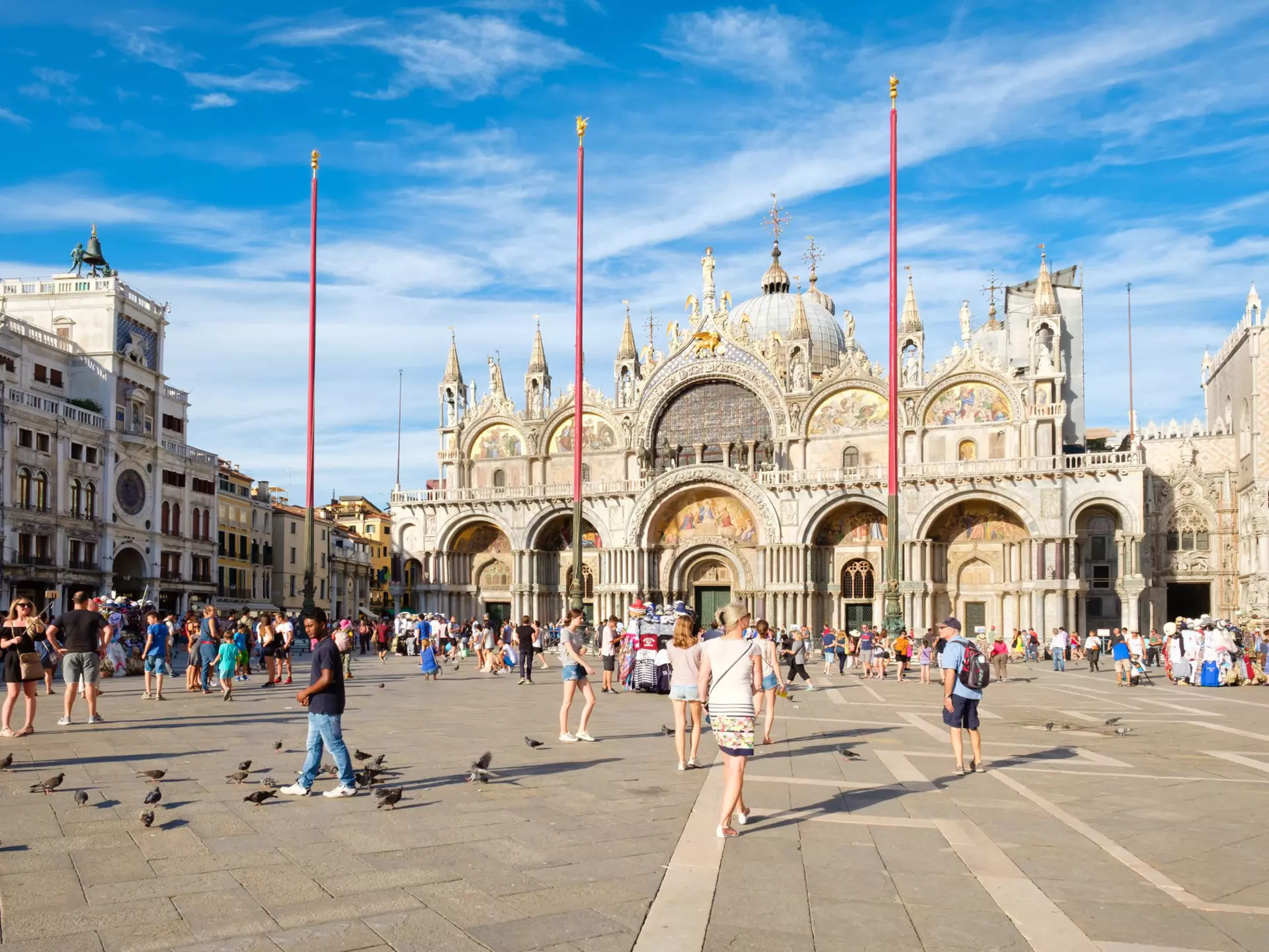
Italy travel tips often overlook the unspoken rules of dress, but respecting local norms will save you from awkward moments and denied entry. In religious sites, modesty is non-negotiable. Shoulders and knees must be covered for both men and women. Carry a lightweight scarf or cardigan in your day bag; it acts as a universal key for entering cathedrals like the Duomo in Milan or St. Peter’s Basilica in Rome. If you arrive in shorts or sleeveless tops, you may be turned away at the door.
Evening dining in Italy leans toward smart-casual rather than formal. In Tuscany and Northern Italy, locals dress up for dinner, especially in cities like Florence or Venice. A collared shirt or a nice blouse paired with dark jeans or trousers is usually sufficient. Avoid athletic wear, flip-flops, or overly casual beachwear in restaurants after 7 p.m. This isn’t about pretension; it’s about showing respect for the meal and the setting.
Footwear is equally important. You’ll be walking on cobblestones and standing in long lines at museums. Choose broken-in leather shoes or supportive sneakers with a polished look. Save the heavy hiking boots for the Dolomites and the sandals for the beach. Comfortable, stylish shoes allow you to move gracefully from a morning vineyard tour to an evening aperitivo without sacrificing style or comfort.
Your Italy packing checklist
Packing for Italy travel tips means preparing for three distinct climates in one suitcase. Tuscany can be warm and dry, Sorrento humid by the sea, and Northern Italy chilly, especially in the Dolomites. The goal is versatility, not volume. You need a capsule wardrobe that transitions from a morning museum visit to an evening aperitivo without requiring a full change.
Start with your shoes. You will walk on cobblestones, climb hill towns, and likely stand on trains for hours. Comfortable, broken-in walking shoes are non-negotiable. Avoid white sneakers if you want to blend in with the local style; opt for dark leather or minimalist designs that look polished but feel like gym shoes.
Layers are your best friend. A light cardigan or blazer works for air-conditioned trains and cooler evenings, while a compact rain jacket handles sudden summer storms. Don’t forget a universal power adapter and a small daypack for daily excursions. Keep your passport and travel documents in a secure, hidden pocket.
-
Comfortable walking shoes (broken in)
-
Lightweight layers (cardigan, blazer)
-
Compact rain jacket
-
Universal power adapter
-
Passport and travel insurance documents
-
Small crossbody bag for daily use
-
Modest outfit for church visits
Pack light. You’ll be dragging your bags up stairs and navigating crowded platforms. If you can fit it all in a carry-on, you’ll move through Italy with significantly less stress.
Where to stay in Italy
Packing for Italy works best when you match your luggage to your itinerary’s base. Staying in major hubs like Florence, Sorrento, or Milan simplifies transit and reduces the need for heavy gear. For Italy travel tips, prioritize locations with excellent train or ferry connections to minimize packing stress.
In Tuscany, base yourself in Florence or a rural agriturismo. Florence offers easy day trips to Siena and Chianti, requiring only a daypack for hikes. If you choose a countryside stay, pack sturdy walking shoes for uneven terrain and cooler evenings.
Sorrento serves as the ideal hub for the Amalfi Coast and Capri. Since ferries and coastal buses are common, pack light layers and a compact rain jacket. Avoid heavy winter coats; the coast remains mild, but sudden showers are frequent.
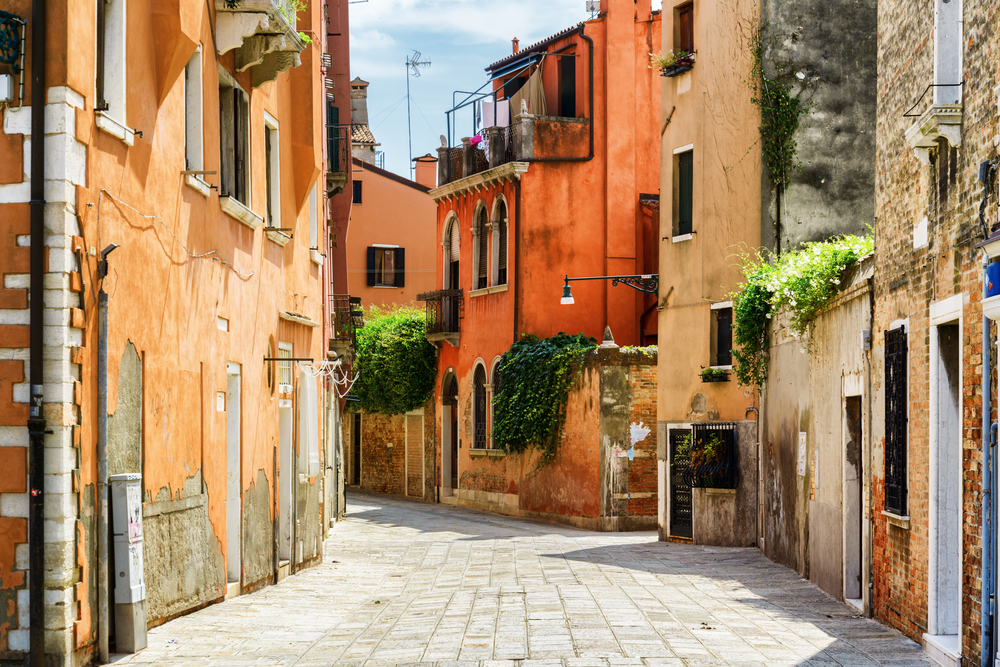
Northern Italy, centered around Milan or Venice, demands a different approach. Milan is fast-paced and urban, requiring smart-casual attire and comfortable city shoes. Venice involves constant walking on cobblestones and bridges, so avoid heels. Pack versatile layers that transition easily from museum visits to evening dining.
Common packing mistakes to avoid
Even seasoned travelers can stumble when packing for Italy. The most frequent error is overpacking, driven by the "what if" syndrome. You might think you need three heavy coats for a week in Northern Italy, but layers are far more effective than bulky items. A lightweight wool sweater and a water-resistant shell can handle chilly mornings in Tuscany and sudden rain in Sorrento without weighing down your suitcase. Remember that domestic Italian flights often have strict weight limits, so keeping your bag light saves you money and hassle.
Footwear is another area where travelers often go wrong. Bringing high heels or stiff, unworn boots is a recipe for blisters on Italy’s historic cobblestones. Instead, pack broken-in walking shoes or stylish sneakers with good support. You want footwear that transitions easily from a morning museum visit to an evening dinner without looking out of place.
Finally, avoid bringing full-sized toiletries. Many smaller hotels in Sorrento and rural B&Bs provide only basic amenities. Travel-sized containers or solid bars for shampoo and soap save space and comply with carry-on regulations. By focusing on versatility and comfort, your Italy travel tips list becomes a practical tool rather than a burden.
No comments yet. Be the first to share your thoughts!