

Why spring is the best time to visit
Visiting Italy in spring means trading the stifling heat of July for a season where the landscape actually looks the part. For a route covering Tuscany, Sorrento, and the North, March through May offers a practical sweet spot: the weather is mild enough for walking, the crowds are thinner than in summer, and prices for flights and hotels remain reasonable.
Temperatures across central Italy climb steadily during these months. You can expect average daytime highs of 15°C in March, 19°C in April, and 23°C in May. This range is ideal for exploring the rolling hills of Tuscany or the coastal paths of Sorrento without the exhaustion that comes with high humidity. The north, including cities like Milan and Venice, also warms up, making canal walks and outdoor dining pleasant rather than brisk.
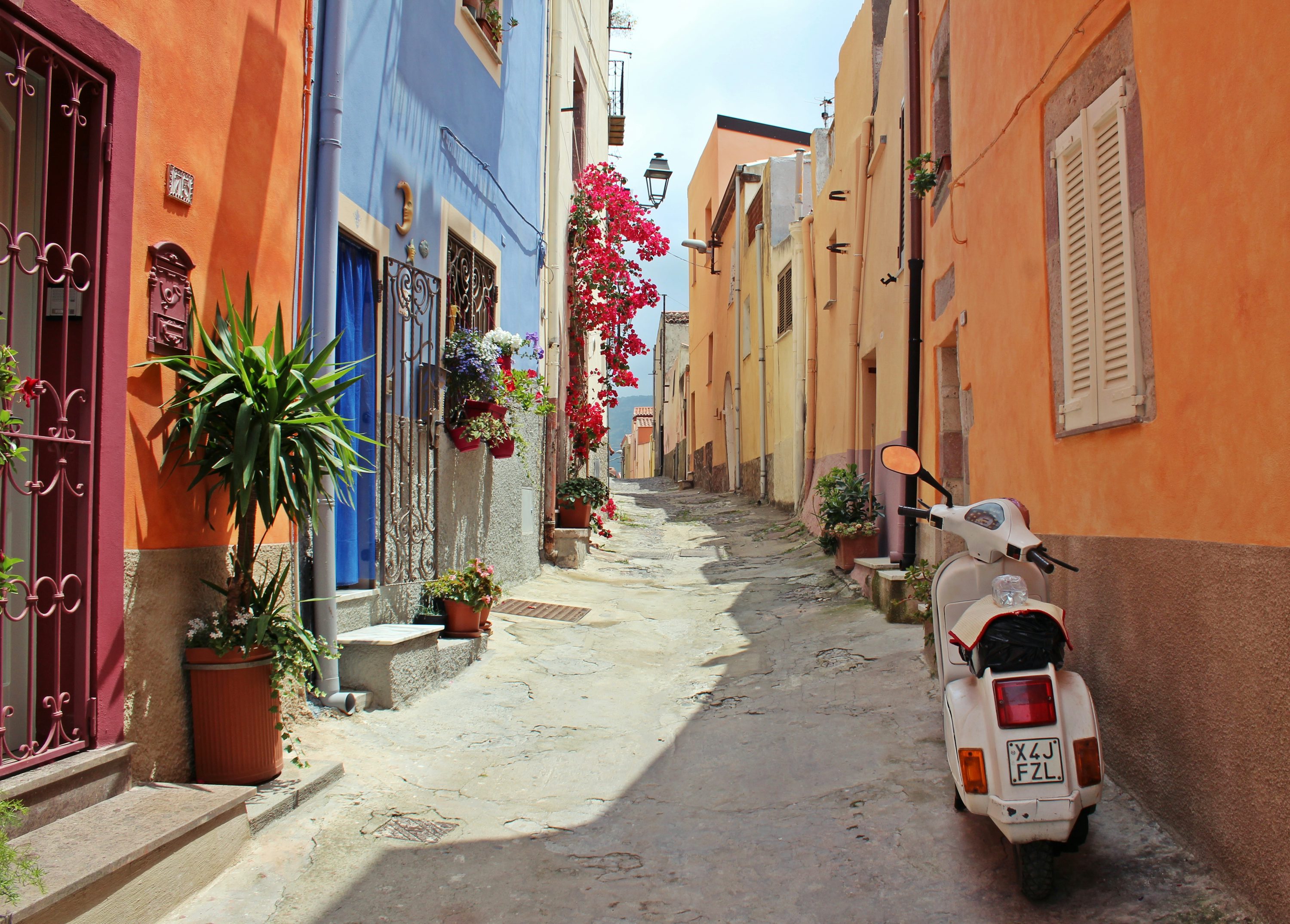
Crowd density follows a similar curve. Major sites in Rome and Florence are accessible without the long queues of peak season. In Sorrento and the Amalfi Coast, ferries run on schedule, and restaurants in Sorrento allow for walk-in dinners rather than requiring reservations weeks in advance. By May, the season is in full swing, but it still feels manageable compared to the August crush.
Costs reflect this timing. While not as cheap as November or February, spring rates are significantly lower than summer peaks. You can find better value in accommodation and car rentals, especially if you book in March or early April. This balance of comfort, accessibility, and price makes spring the most logical time to tackle a multi-region itinerary.
Tuscany: Vineyards and Hill Towns
Tuscany in spring is defined by the contrast between the deep green of new olive leaves and the pale pink of almond blossoms. The landscape feels less crowded than in summer, making it the ideal time to explore the region’s rolling hills without the peak-season heat or crowds.
The Chianti Loop
Start your route in Florence and head west into the Chianti Classico region. This area offers the most concentrated experience of vineyards and medieval villages. Drive the SP222 road, which winds between Greve in Chianti and Radda in Chianti. The road itself is a scenic highlight, flanked by vineyards that are just beginning to burst into leaf.
Spend two days here. Stay in aAgriturismo (farm stay) near Gaiole in Chianti. These properties offer direct access to hiking trails through the vineyards and often serve meals made from ingredients grown on-site. The spring air is crisp, perfect for long walks between tastings.
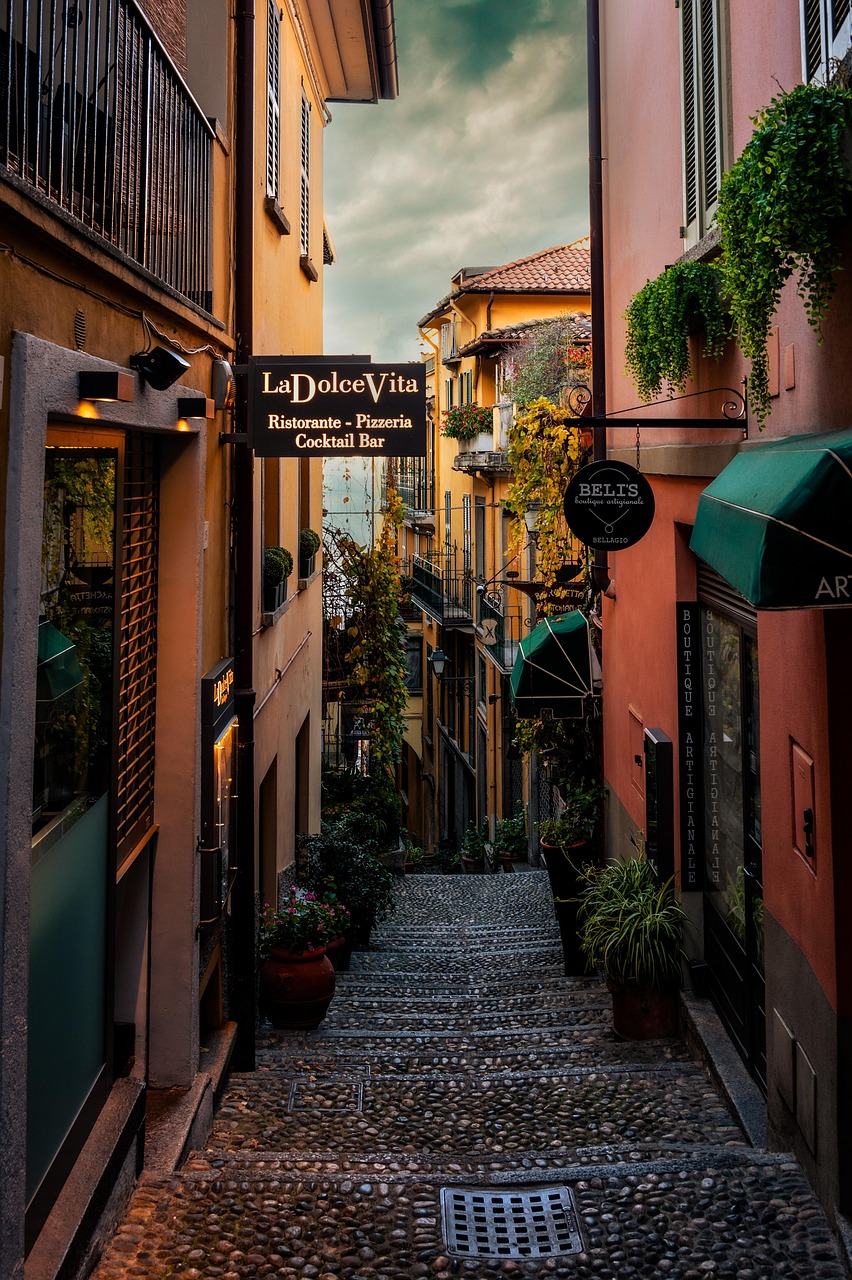
Siena and the Val d’Orcia
From Chianti, drive southeast to Siena. The city’s red-brick architecture stands out against the emerging green of the surrounding countryside. Visit the Piazza del Campo in the early morning to avoid the tour groups that arrive later in the day.
Continue east into the Val d’Orcia, a UNESCO World Heritage site known for its cypress-lined roads and farmhouses. The spring blooms here are particularly striking, with wildflowers carpeting the fields between Pienza and Montalcino. This is a slower-paced region, ideal for photography and quiet contemplation.
Timing and Costs
April and May are the best months for this route. The weather is mild, averaging 15-20°C (59-68°F), and the daylight hours are long enough for full days of exploration. Book accommodations at least two months in advance, as spring is becoming increasingly popular. Expect to pay 10-20% more than in winter, but significantly less than in July or August.
Renting a car is essential for this itinerary. Public transport connects major towns but does not reach the smaller villages and vineyards that offer the best experiences. If you prefer not to drive, consider staying in Siena and taking day tours to the surrounding countryside.
Sorrento: Coastline and day trips
Italy in Spring works best as a sequence, not a pile of settings. Do the minimum first: confirm compatibility, connect the primary device, update only when needed, and test the result before adding optional features. That order keeps the task understandable and makes failures easier to isolate. After each step, pause long enough for the device or app to finish syncing. Many setup problems are timing problems disguised as configuration problems. If the same step fails twice, record the exact error, restart the smallest affected piece, and retry before moving deeper.
The simplest way to use this section is to keep the setup small, verify each change, and document the working configuration before adding extra devices.
Northern cities: Milan, Venice, and Bologna
Italy in Spring works best as a sequence, not a pile of settings. Do the minimum first: confirm compatibility, connect the primary device, update only when needed, and test the result before adding optional features. That order keeps the task understandable and makes failures easier to isolate. After each step, pause long enough for the device or app to finish syncing. Many setup problems are timing problems disguised as configuration problems. If the same step fails twice, record the exact error, restart the smallest affected piece, and retry before moving deeper.
The simplest way to use this section is to keep the setup small, verify each change, and document the working configuration before adding extra devices.
Packing for Italy’s variable spring weather
Italy’s geography stretches from the Alpine foothills in the north to the Mediterranean coast in the south, creating three distinct climate zones. Packing for a multi-region itinerary requires layering, as temperatures can shift dramatically depending on your location and time of day. Spring is rarely uniform; a sunny 20°C day in Florence might be followed by a brisk, rainy morning in Milan.
Northern Italy: Layers for the Lakes and Cities
The North, including Milan, Venice, and the Lake District, experiences cooler, more unpredictable spring weather. Temperatures often hover between 10°C and 18°C, with a higher chance of rain. Pack a waterproof jacket, long pants, and closed-toe shoes. A light sweater or fleece is essential for evenings, which remain cool even in May.
Tuscany: The Transitional Zone
Tuscany offers a moderate climate, typically ranging from 15°C to 22°C. This is the most versatile region for packing. Bring a mix of short and long sleeves, a light cardigan, and comfortable walking shoes. You’ll likely need sunglasses and a hat for sunny afternoons, but always carry a light rain layer, as spring showers can appear suddenly.
The South: Sorrento and Coastal Warmth
In Sorrento and the Amalfi Coast, spring feels closer to summer. Temperatures often reach 20°C–24°C, with plenty of sunshine. Pack lighter fabrics, shorts, skirts, and breathable shoes. A light scarf is useful for breezy evenings or covering shoulders when visiting religious sites. While rain is less frequent, a compact umbrella is still a smart addition.
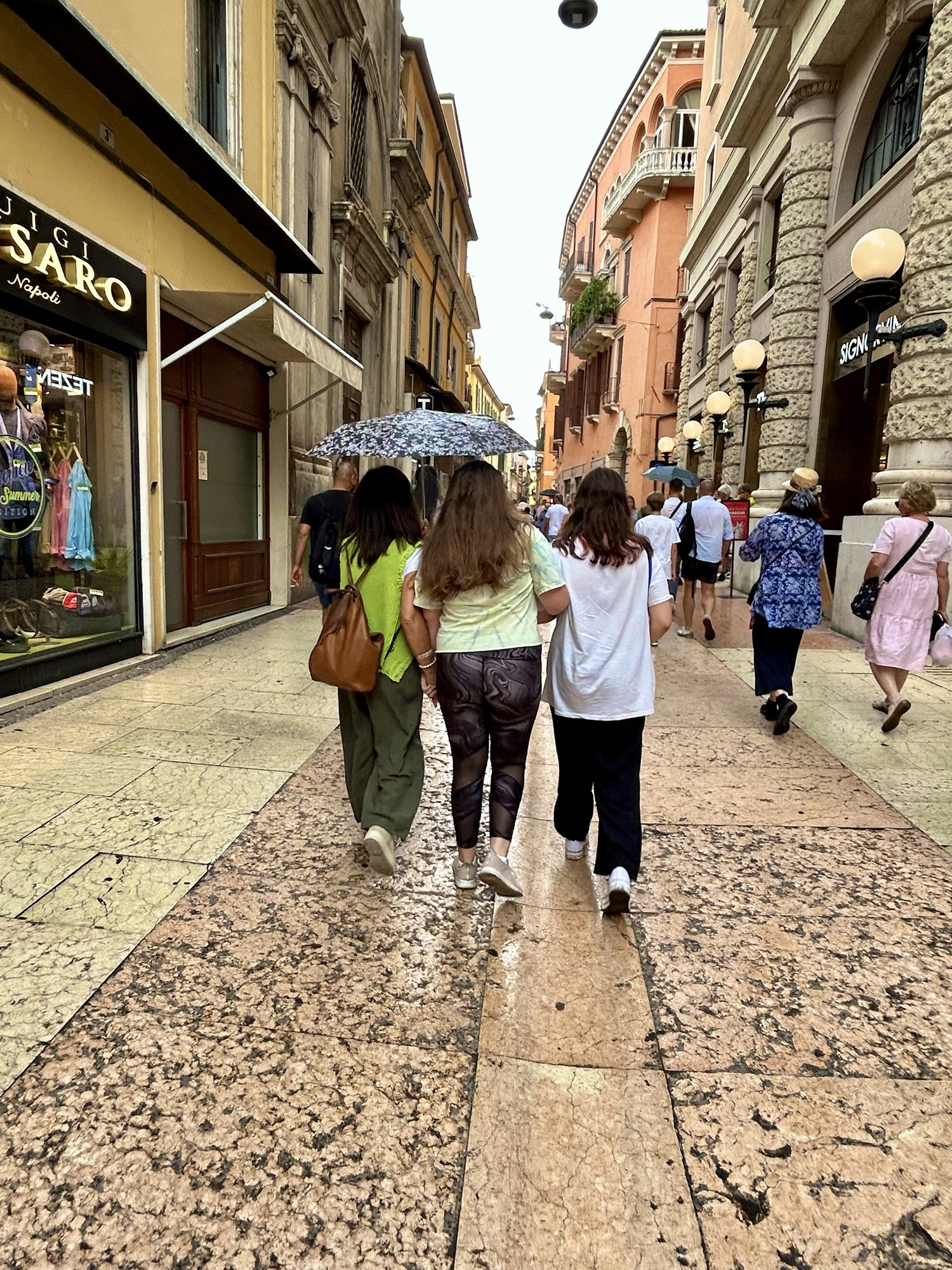
Italy in Spring travel logistics and safety
Entering Italy in spring requires minimal paperwork for short stays. U.S. citizens can visit for up to 90 days for tourism without a visa, provided your passport remains valid for at least three months beyond your planned departure date. For longer stays or work, a visa is required. Always check the latest entry rules before booking, as regulations can shift.
Getting around relies on efficient rail networks and regional buses. Trenitalia and Italo operate high-speed trains between major hubs like Florence, Rome, and Naples, while regional trains serve smaller towns in Tuscany and the Sorrento area. For multi-city itineraries, a point-to-point ticket is often cheaper than a rail pass unless you are covering vast distances daily. Book high-speed trains in advance to secure better rates, especially during the busy Easter and May holidays.
Safety in Italy is generally high, but pickpocketing remains a concern in crowded tourist zones. Keep valuables secure in busy train stations, on the Amalfi Coast ferries, and in popular squares. Avoid leaving bags unattended at beach clubs or outdoor cafes. Drive cautiously on narrow coastal roads and in historic city centers, where traffic zones (ZTL) restrict vehicle access. Respect local parking signs to avoid steep fines.
Your spring Italy packing checklist
Packing for a trip that spans the cool hills of Tuscany, the coastal breezes of Sorrento, and the alpine air of the North requires a strategy built on layers. Spring weather in Italy is famously unpredictable; you might experience bright sunshine in the morning and a sudden chill in the afternoon. The goal is to pack light enough for cobblestone streets and train travel, but versatile enough to handle the shifting temperatures across these three distinct regions.
No comments yet. Be the first to share your thoughts!