

Italy's spring and summer weather
If you're heading to Italy between April and September, don't expect one forecast for the whole country. Milan and Venice stay damp and cool through May, while Sicily is already hitting summer temperatures by then. I've found that the north stays unpredictable even in July, so a sudden rainstorm in Venice is more likely than you'd think.
Southern Italy, including regions like Sicily and Puglia, enjoys a much warmer and drier climate. Expect scorching temperatures in July and August, perfect for beach days but potentially uncomfortable for extensive sightseeing. Evenings throughout the country, regardless of region, can often be surprisingly cool, even in the height of summer. Humidity can also be a factor, especially in coastal areas.
This variability is precisely why thoughtful packing is so crucial. You need to be prepared for sunshine and showers, warm days and cool nights. Don’t fall into the trap of assuming it will be consistently hot – that’s simply not the case for the entire country. A little preparation goes a long way towards ensuring a comfortable and enjoyable trip.
What to wear and how to layer
The most important thing to remember when packing clothes for Italy in spring or summer is layering. Mornings and evenings can be cool, even when the midday sun is blazing, so having options is key. Think light cardigans, a denim jacket, or a versatile scarf that can be used for warmth or as a stylish accessory.
Stick to linen and cotton. They breathe when it's 30°C in Rome and dry fast after a downpour. Synthetics are a mistake—they'll just make you sweaty and uncomfortable. I usually pack five t-shirts and two long-sleeved button-downs for when the sun goes down.
It’s also essential to be mindful of local customs, particularly when visiting religious sites. Many churches require visitors to have their shoulders and knees covered. I once got turned away from a beautiful church in Florence because my shorts were too short – a frustrating but valuable lesson learned! A lightweight shawl or a pair of long trousers are easy to pack and can save you embarrassment.
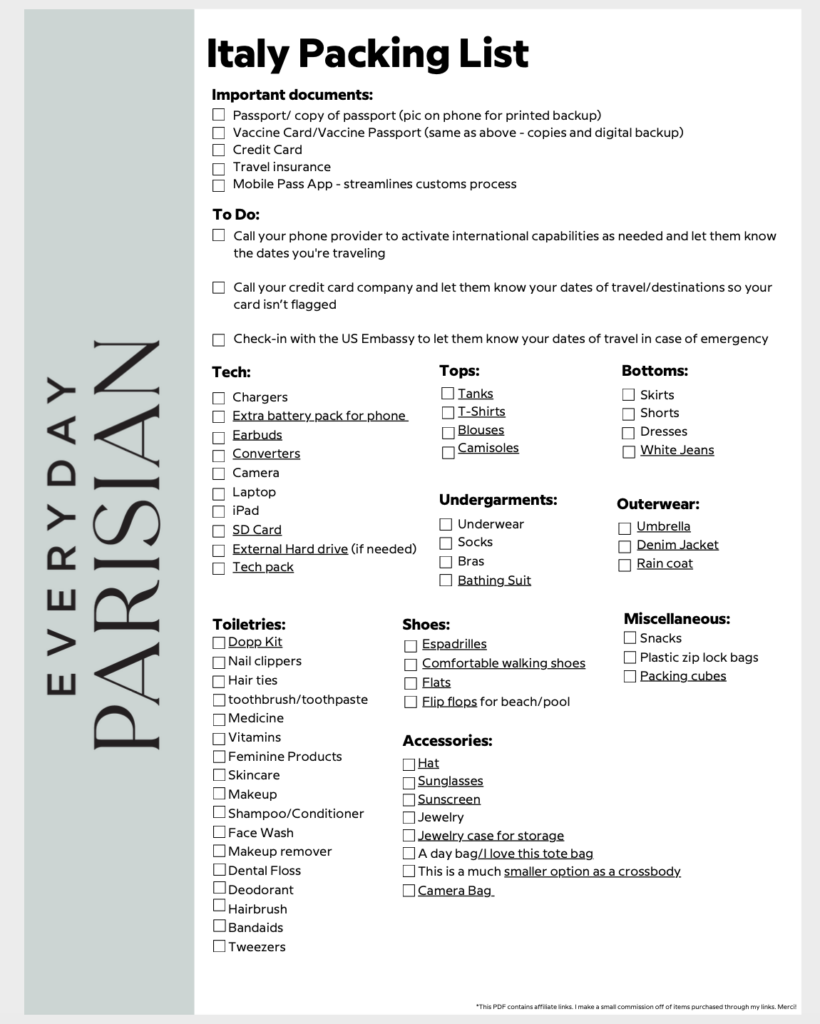
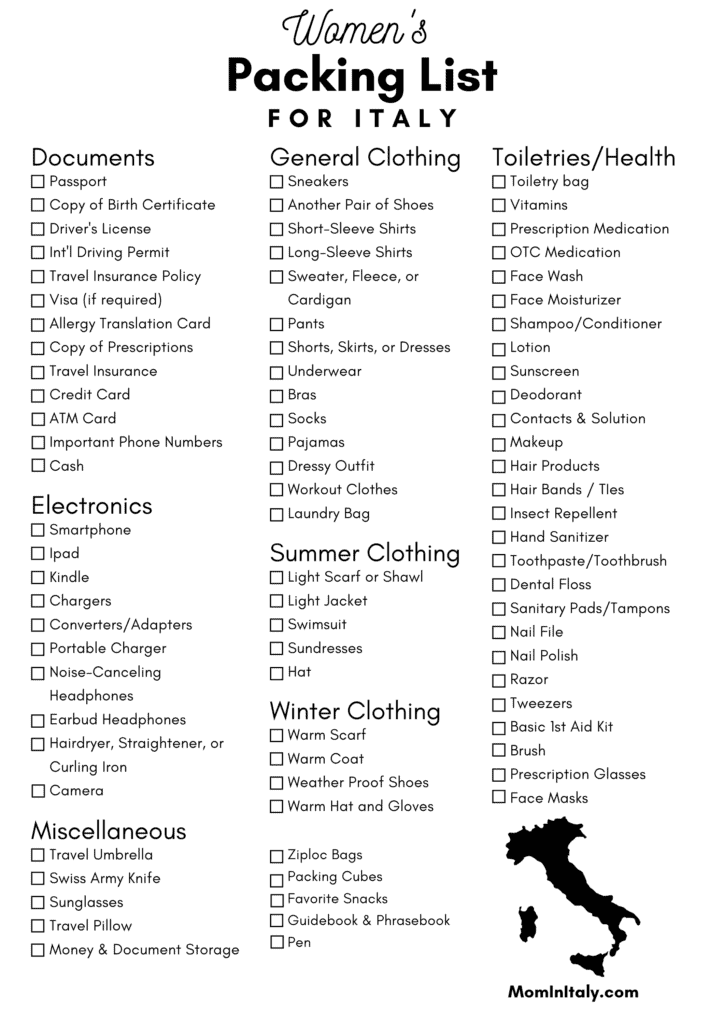
Here's a quick checklist to get you started:
Consider bringing versatile separates that can be mixed and matched to create different outfits. This will help you pack lighter and still have plenty of options. Don’t overpack – you can always do laundry or purchase items if needed.
- Lightweight t-shirts (5-7)
- Short-sleeved shirts (3-4)
- Long-sleeved shirts (2-3)
- Lightweight cardigan or jacket
- Pair of jeans or long trousers
- Knee-length skirts or trousers for churches
- Comfortable walking shoes
- Sandals or flip-flops
- Underwear and socks
- Swimsuit (if planning on swimming)
Shoes you can actually walk in
Italy is a country best explored on foot. You’ll be doing a lot of walking, whether it's navigating the cobblestone streets of Rome, exploring the canals of Venice, or hiking in the Tuscan countryside. Therefore, comfortable, broken-in shoes are absolutely essential. Do not, I repeat, do not bring brand-new shoes on your trip. Blisters can ruin an otherwise perfect vacation.
I've witnessed countless travelers hobbling around in pain because they underestimated the amount of walking involved. Invest in a good pair of walking sneakers or supportive sandals. If you plan on doing more strenuous activities like hiking, bring appropriate hiking shoes. It’s also a good idea to pack a pair of slightly nicer shoes for evenings out, but prioritize comfort above all else.
Sun Protection: Don't Get Burned
The sun in July is brutal. Bring high SPF and actually use it—I've seen too many tourists with bright red necks after an hour in the Colosseum. A hat and sunglasses aren't just accessories; they're survival gear for a Tuscan afternoon.
It's important to reapply sunscreen throughout the day, especially after swimming or sweating. Even on cloudy days, UV rays can penetrate the clouds and cause sunburn. I learned this the hard way after a day of sightseeing in Rome – a painful reminder to always be prepared.
Tech & Gadgets: Staying Connected
Your phone is likely to be your most important travel companion, so don’t forget it! Pack your charger and consider bringing a portable power bank to keep your phone charged on the go. Italy uses the European standard plug (Type C and Type F), so you’ll need an adapter if you’re coming from a country with a different plug type.
You might want to consider purchasing a local SIM card to avoid expensive roaming charges. Alternatively, a portable Wi-Fi hotspot can provide internet access for multiple devices. A good camera is essential for capturing all the beautiful sights, and don’t forget extra memory cards. I always bring an extra battery for my camera – you never know when you’ll need it.
Here's a quick rundown of useful gadgets:
Remember to download any useful apps before you go, such as translation apps, maps, and public transportation apps.
- Smartphone
- Charger
- Portable power bank
- Type C or F plug adapter
- Camera
- Extra memory cards
- Portable Wi-Fi hotspot (optional)
Travel Adapter Comparison for Italy (Spring/Summer 2026)
| Size | Number of Ports | USB-C Compatibility | Surge Protection | Price Range |
|---|---|---|---|---|
| Compact | 1-2 | Often limited or absent | Basic | €10-€25 |
| Small | 2-3 | May include one USB-C port | Standard | €20-€35 |
| Medium | 3-5 | Typically includes multiple USB-C ports | Advanced | €30-€50 |
| Large/Power Strip Style | 5+ | Multiple USB-C ports common | Robust | €40+ |
| Minimalist | 1 | May require separate USB-C adapter | Basic | €8-€18 |
| Universal | 3-4 | Almost always includes USB-C | Standard to Advanced | €25-€45 |
Illustrative comparison based on the article research brief. Verify current pricing, limits, and product details in the official docs before relying on it.
Toiletries & Medications: Be Prepared
Pack travel-sized toiletries to comply with airline regulations. Don’t forget essential medications and bring a copy of your prescriptions, just in case. Insect repellent is a good idea, especially for evenings, as mosquitoes can be prevalent in some areas. I always pack pain relievers – you never know when a headache might strike.
Consider bringing hand sanitizer and wet wipes for quick cleanups on the go. A small first-aid kit with band-aids, antiseptic wipes, and blister treatment can also be useful. It's always better to be prepared for minor ailments.
Documents & Money: Keep it Safe
This is arguably the most important part of your packing list. Make sure you have your passport, visa (if required), driver's license, and travel insurance information. It’s also a good idea to make copies of these important documents and store them separately from the originals. Keep digital copies on your phone or in the cloud as well.
When it comes to money, it’s best to have a mix of credit cards, debit cards, and some cash. Credit cards are widely accepted in larger cities and tourist areas, but smaller establishments may prefer cash. Be aware of pickpockets, especially in crowded areas. I always use a money belt to keep my valuables safe and secure. Notify your bank before you travel to avoid any issues with your cards.
Research the current exchange rate before you go and be aware of any foreign transaction fees your bank may charge. Consider using a travel credit card that doesn’t charge these fees.
Handy Extras: Small Things That Matter
These are the little things that can make a big difference in your comfort and convenience. A reusable water bottle will help you stay hydrated, and a small first-aid kit can come in handy for minor injuries. A travel umbrella is a must-have, as Italian weather can be unpredictable. Wet wipes and hand sanitizer are useful for quick cleanups on the go.
A phrasebook or translation app can be helpful if you don’t speak Italian. I swear by a good travel umbrella – I’ve been caught in several unexpected downpours during my trips to Italy. Don’t underestimate the value of these small items – they can make your trip much more enjoyable.
- Reusable water bottle
- Small first-aid kit
- Travel umbrella
- Wet wipes
- Hand sanitizer
- Phrasebook or translation app
Essential Italy Travel Apps
- Google Translate - A widely used app offering text, voice, and camera translation. Useful for menus, signs, and conversations. Supports offline language packs.
- Google Maps - Essential for navigation, finding points of interest, and exploring cities. Offers detailed maps, public transit information, and walking directions.
- Trenitalia - The official app of the Italian national train operator. Allows you to search for train schedules, purchase tickets, and manage your bookings.
- TheFork (La Fourchette) - A popular restaurant discovery and booking app, particularly useful in Italy. Features reviews, photos, and often special offers.
- Moovit - Provides real-time public transportation information, including buses, trains, and metros, in many Italian cities. Offers route planning and service alerts.
- Babbel - A language learning app with Italian courses focusing on practical conversation skills. Useful for learning basic phrases before and during your trip.
- XE Currency - A reliable currency converter providing up-to-date exchange rates. Helpful for calculating costs while traveling.
No comments yet. Be the first to share your thoughts!