

Sorrento & Amalfi: First Impressions
Stepping onto the streets of Sorrento is an immediate assault on the senses – a cheerful chaos of scooters, bustling markets, and the scent of lemon groves. It feels undeniably Italian, a working town that welcomes visitors without completely transforming for them. The air hums with energy, a constant flow of life that’s both invigorating and a little overwhelming. Sorrento’s history is visible in its architecture, a blend of influences from its time under various rulers, but the overall feeling is one of a lively, contemporary resort town.
The Amalfi Coast, however, presents a different kind of beauty. It’s dramatic, almost theatrical. Towering cliffs plunge into the turquoise sea, pastel-colored villages cling precariously to the hillsides, and every turn reveals a postcard-perfect view. There’s a sense of grandeur, of being in a place shaped by nature’s power. It feels less like a town you inhabit and more like a spectacle you observe. The Amalfi Coast is a place to be awestruck, while Sorrento invites you to participate.
Sorrento, as several travelers have noted on Facebook, is a fantastic base for exploring the wider region. It’s easy to take day trips to Capri, Pompeii, and even Naples from here. The town offers a more practical starting point, with better transport links, while still providing a genuine taste of Italian life. It’s a place to settle in, get your bearings, and then venture out to discover the treasures of Campania.
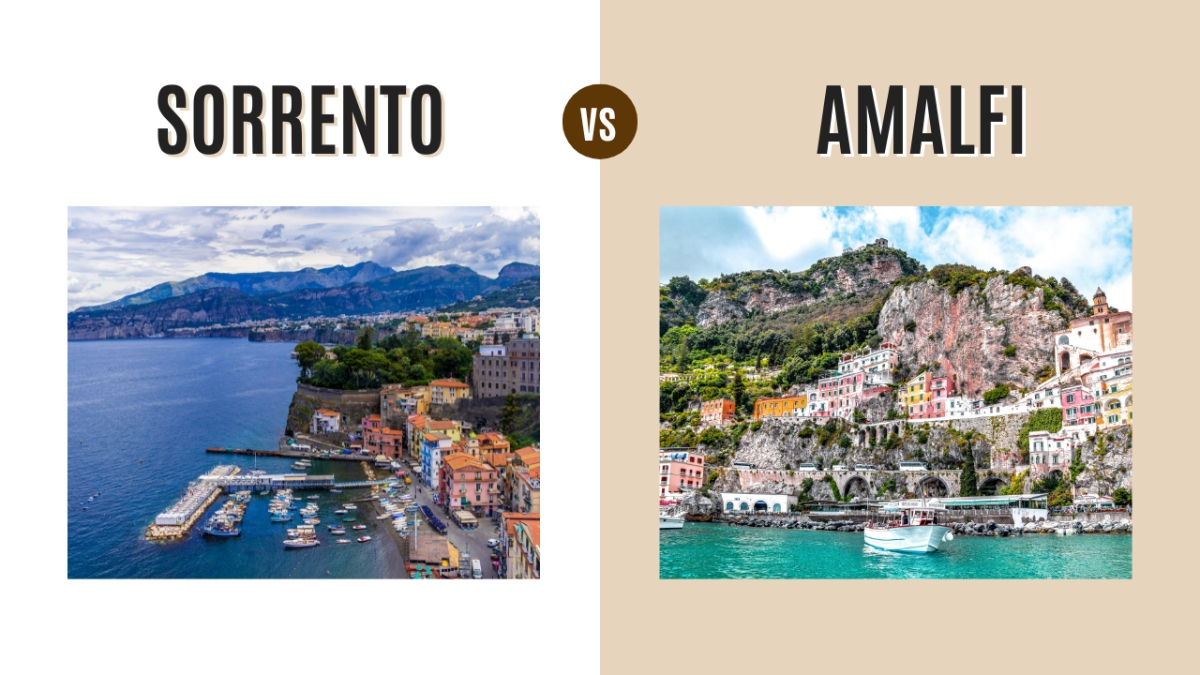
Cost Breakdown: Sorrento vs. Amalfi
Let’s be realistic: Italy isn't a cheap destination, and both Sorrento and the Amalfi Coast reflect that. However, Sorrento generally offers more bang for your buck. In 2026, expect to pay around €100-€200 per night for a mid-range hotel in Sorrento, while comparable accommodations on the Amalfi Coast could easily be €150-€300 or higher. Airbnb is available in both locations, potentially offering savings, but expect prices to inflate during peak season.
Food costs are also a factor. A meal at a decent restaurant in Sorrento might cost €25-€40 per person, while on the Amalfi Coast, that same meal could be €40-€60 or more. Groceries are similarly priced, but the convenience of self-catering is lessened on the Amalfi Coast by the limited availability of large supermarkets. Transportation is where the difference really becomes apparent. Local buses are affordable in both locations, but the Amalfi Coast’s winding roads and popularity mean they are often overcrowded and slow.
Activities add up quickly. Boat tours, cooking classes, and entrance fees to historical sites can easily push your daily budget upwards. The Amalfi Coast’s exclusivity drives up prices for everything from beach club access to private tours. Costs can escalate rapidly, so planning and budgeting are essential. Sorrento offers more opportunities to find affordable options, especially if you’re willing to venture away from the main tourist areas.
- Accommodation (per night): Sorrento: €100-€200, Amalfi Coast: €150-€300+
- Restaurant Meal (per person): Sorrento: €25-€40, Amalfi Coast: €40-€60+
- Local Bus Ticket (one way): Both locations: €2-€3
- Boat Tour (half day): Sorrento: €50-€100, Amalfi Coast: €70-€150+
Sorrento vs. Amalfi Coast: Cost Comparison - 2026 Estimates
| Cost Factor | Sorrento | Amalfi Coast |
|---|---|---|
| Accommodation - Budget | Medium | High |
| Accommodation - Mid-Range | Medium | High |
| Accommodation - Luxury | High | Very High |
| Food - Casual (e.g., Pizza, Panini) | Low | Medium |
| Food - Restaurant (Mid-Range) | Medium | High |
| Local Transportation (Buses, Ferries) | Low | Medium |
| Day Trips (e.g., Capri, Positano) | Medium | High |
| Activities - Free (Beaches, Walking Tours) | Low | Low |
| Activities - Paid (Boat Tours, Museums) | Medium | High |
Illustrative comparison based on the article research brief. Verify current pricing, limits, and product details in the official docs before relying on it.
Getting Around: Ease of Access
Sorrento has a significant advantage when it comes to accessibility. The Circumvesuviana train line connects Sorrento directly to Naples, making it easy to reach from the airport and other parts of Italy. This train is a lifeline for budget travelers, offering frequent and affordable service. From Sorrento, you can also easily connect to ferries for Capri and the Amalfi Coast, though those can be crowded during peak season.
The Amalfi Coast, on the other hand, is notoriously difficult to navigate. The SS163 coastal road is a winding, narrow route that can be congested, especially in summer. Driving yourself is not recommended unless you’re a confident driver accustomed to challenging road conditions. Local buses are the primary form of public transport, but they are often packed, and delays are common. A YouTube video about travel mistakes in Sorrento highlighted the importance of planning transport in advance.
Ferries offer a scenic alternative, connecting the main towns along the coast. However, ferry schedules are subject to weather conditions, and they don’t reach all the smaller villages. Getting between towns on the Amalfi Coast often involves a combination of buses, ferries, and sometimes even taxis – and a considerable amount of patience. Sorrento, with its central location and train connection, simply makes getting around much easier.
- Sorrento: Direct train connection to Naples, frequent bus service, ferry access to Capri & Amalfi Coast
- Amalfi Coast: Limited bus service, winding coastal road, ferry access between towns (weather dependent)
Beaches & Swimming: What to Expect
Let's be clear: Sorrento isn’t primarily a beach destination. It has some small, rocky beaches and platforms – Marina Piccola and Marina Grande are the most popular – but they aren’t comparable to the sandy stretches you’ll find elsewhere in Italy. The swimming is good, and the platforms offer sunbathing opportunities, but don’t come to Sorrento expecting long days lounging on a pristine beach.
The Amalfi Coast, however, offers a more diverse range of beach experiences. Positano is famous for its iconic beach, Spiaggia Grande, while Amalfi boasts a larger, sandier beach. Smaller coves and hidden beaches are scattered along the coastline, accessible by boat or hiking trails. The water quality is generally excellent, and the scenery is stunning.
However, even on the Amalfi Coast, crowds are a major issue during peak season. Beaches can become packed, and finding a spot to lay your towel can be a challenge. Be prepared to arrive early or consider visiting during the shoulder seasons for a more relaxed experience. Sorrento’s appeal lies in its other attractions – its history, culture, and proximity to other destinations – not necessarily its beaches.
- Sorrento: Small, rocky beaches and platforms. Good for swimming, but not ideal for sunbathing.
- Amalfi Coast: Variety of beaches, from sandy stretches to hidden coves. Can get very crowded in peak season.
Amalfi Coast Beaches
- Spiaggia Grande (Positano) - Positano’s main beach, easily accessible from the town center. Predominantly shingle/pebble beach with some sand. Offers numerous facilities including sunbed/umbrella rentals, restaurants, and bars. Expect large crowds, especially in peak season.
- Marina Grande (Amalfi) - Amalfi’s largest beach, a mix of sand and pebbles. Easily accessible and provides a lively atmosphere with restaurants, cafes, and boat tours departing from here. Generally busy, but offers more space than Positano.
- Spiaggia di Atrani - A smaller, more sheltered beach in the charming town of Atrani. Predominantly sand and pebbles. Limited facilities – a few small cafes and sunbed rentals. Typically less crowded than Positano or Amalfi.
- Duoglio Beach (Amalfi) - Accessible by boat or a long staircase (around 300 steps). A beautiful pebble beach with crystal-clear water. Offers a beach club with sunbeds, umbrellas, and a restaurant. Moderate crowds.
- Fornillo Beach (Positano) - A quieter alternative to Spiaggia Grande, reachable via a short walk from Positano. A mix of sand and pebbles. Offers a more relaxed vibe with a few restaurants and sunbed rentals. Moderate crowds.
- Castiglione Beach (Ravello) - A small, picturesque pebble beach accessed via a steep path from Ravello. Offers stunning views. Limited facilities – a small cafe and sunbed rentals. Typically less crowded due to the challenging access.
- Maiori Beach - One of the longest stretches of sand on the Amalfi Coast. Easily accessible and offers a wide range of facilities, including restaurants, bars, and water sports. Popular with families and can get crowded in peak season.
Day Trip Potential: Exploring Beyond
Sorrento truly shines as a base for day trips. Capri, with its Blue Grotto and glamorous atmosphere, is just a short ferry ride away. The ancient ruins of Pompeii and Herculaneum are easily accessible by train, offering a fascinating glimpse into Roman history. Naples, a vibrant and chaotic city, is also within easy reach, offering world-class museums, delicious pizza, and a unique cultural experience. Travelers on Facebook frequently recommend Sorrento as a starting point for these excursions.
The Amalfi Coast is more self-contained, but still allows for exploration. Ravello, perched high above the coast, offers stunning views and beautiful gardens. Positano and Amalfi are easily accessible by bus or ferry, allowing you to explore the charming towns and soak up the atmosphere. However, day trips from the Amalfi Coast can be more time-consuming and expensive due to the challenging transportation.
The logistics are simpler from Sorrento. The train connection to Naples and Pompeii is a significant advantage, and the frequent ferry service to Capri makes it a convenient day trip. From the Amalfi Coast, you’re often reliant on winding roads and crowded buses, which can eat into your valuable sightseeing time. Sorrento provides a more efficient and stress-free base for exploring the region.
- Sorrento Day Trips: Capri, Pompeii, Herculaneum, Naples
- Amalfi Coast Day Trips: Ravello, Positano, Amalfi
Essential Day Trip Gear for Your Sorrento & Amalfi Coast Adventure

Lightweight design · Dedicated laptop sleeve · Water bottle pockets
This backpack offers lightweight, versatile storage perfect for carrying essentials like a laptop, water bottle, and travel documents while navigating between towns and attractions.

Rugged and durable construction · Comfortable for everyday wear · Breathable materials
These sneakers provide comfort and durability for extensive walking on varied terrain, from city streets to coastal paths.

Insulated stainless steel · Leakproof wide mouth lid · 32 oz capacity
Staying hydrated is crucial, and this durable, insulated water bottle will keep your drinks cold throughout your explorations, reducing the need for single-use plastics.

10,000mAh capacity · High-speed charging · Compact and travel-ready
Ensure your devices stay powered up for navigation, photos, and communication with this compact and efficient power bank.

Comprehensive Italy travel guide · Expert advice and itineraries · Detailed maps and historical context
This renowned travel guide provides invaluable insights, practical tips, and suggested itineraries to help you make the most of your Sorrento and Amalfi Coast experience.
As an Amazon Associate I earn from qualifying purchases. Prices may vary.
Food & Drink: A Taste of Italy
Both Sorrento and the Amalfi Coast offer incredible Italian cuisine, but with distinct regional flavors. Sorrento is famous for its lemons – they’re everywhere! – and the resulting limoncello is a must-try. The local cuisine emphasizes fresh, seasonal ingredients, with a focus on seafood and pasta dishes. You’ll find plenty of traditional trattorias and pizzerias serving authentic Italian fare.
The Amalfi Coast, with its proximity to the sea, naturally emphasizes seafood. Freshly caught fish, grilled octopus, and shrimp scampi are staples of the local diet. The region also produces excellent olive oil, wine, and fresh produce. Restaurants on the Amalfi Coast tend to be more upscale and expensive than those in Sorrento, but the quality is generally very high.
Personally, I find Sorrento offers a more diverse culinary experience. The influence of Naples is evident in the pizza and street food, while the local lemon groves add a unique twist to traditional dishes. The Amalfi Coast is undeniably delicious, but it can feel a bit more focused on seafood and tourist-oriented dining. Both regions are fantastic, but Sorrento has a slight edge in terms of variety and affordability.
Crowds & Seasonality: When to Visit
Brace yourself: both Sorrento and the Amalfi Coast get very crowded during peak season (June-August). Expect long lines, packed beaches, and inflated prices. Sorrento is busy, but generally more manageable than the Amalfi Coast, thanks to its larger size and better infrastructure. The Amalfi Coast’s narrow roads and limited space simply can’t cope with the influx of tourists.
The shoulder seasons (April-May and September-October) are ideal times to visit. The weather is still pleasant, the crowds are smaller, and prices are more reasonable. You’ll have a much more relaxed and enjoyable experience if you avoid the peak season rush. Be aware that some hotels and restaurants may be closed during the off-season.
Cruise ship tourism significantly impacts Sorrento, particularly during the day. When a large ship docks, the town can become overwhelmed with visitors. Check the cruise ship schedule before you go and plan your activities accordingly. A peaceful experience on the Amalfi Coast in summer is a rare find – be prepared for a lively, and often chaotic, atmosphere.
When are you planning to visit Sorrento or the Amalfi Coast?
Whether you are dreaming of sunny beach days or quieter off-season exploration, we want to know your ideal travel window. Vote below and see how your plans compare with fellow Italy enthusiasts!
Sorrento Insider's Picks: Local Gems
Beyond the main tourist attractions, Sorrento has a wealth of hidden gems waiting to be discovered. According to sorrentoinsider.com, the Correale Museum of Terranova offers a fascinating glimpse into the local history and art scene. It’s a beautiful villa filled with antique furniture, paintings, and porcelain.
For a truly authentic experience, wander through the Vallone dei Mulini, a hidden valley filled with abandoned mills. It’s a hauntingly beautiful spot that feels a world away from the bustling town center. And don’t miss the chance to sample the local limoncello at a family-run distillery – many offer tastings and tours.
When seeking a break from the crowds, head to the Bagni della Regina Giovanna, a natural swimming pool carved into the rocks. It’s a bit of a hike to get there, but the stunning scenery and crystal-clear water are well worth the effort. Sorrento isn’t just a tourist destination; it’s a living, breathing town with a rich culture and a welcoming spirit.
No comments yet. Be the first to share your thoughts!