

Build a versatile capsule wardrobe
The secret to navigating Italy without dragging a heavy suitcase is building a capsule wardrobe that relies on neutral tones and interchangeable layers. When you pack for what to wear in Italy, prioritize colors like navy, beige, white, and black. These shades hide minor stains, match effortlessly with any shoe, and allow you to add personality through small, bold accessories like a silk scarf or a leather belt.
Start with a foundation of high-quality basics. Pack one pair of dark, well-fitting jeans, one pair of lightweight linen or cotton trousers, and two neutral tops. Add a structured blazer or a light cardigan that works for both a casual lunch and a slightly more formal dinner. This approach ensures you have enough variety for a week without overpacking.
To see how this strategy looks in practice, here are three distinct outfit combinations that cover most of your needs:
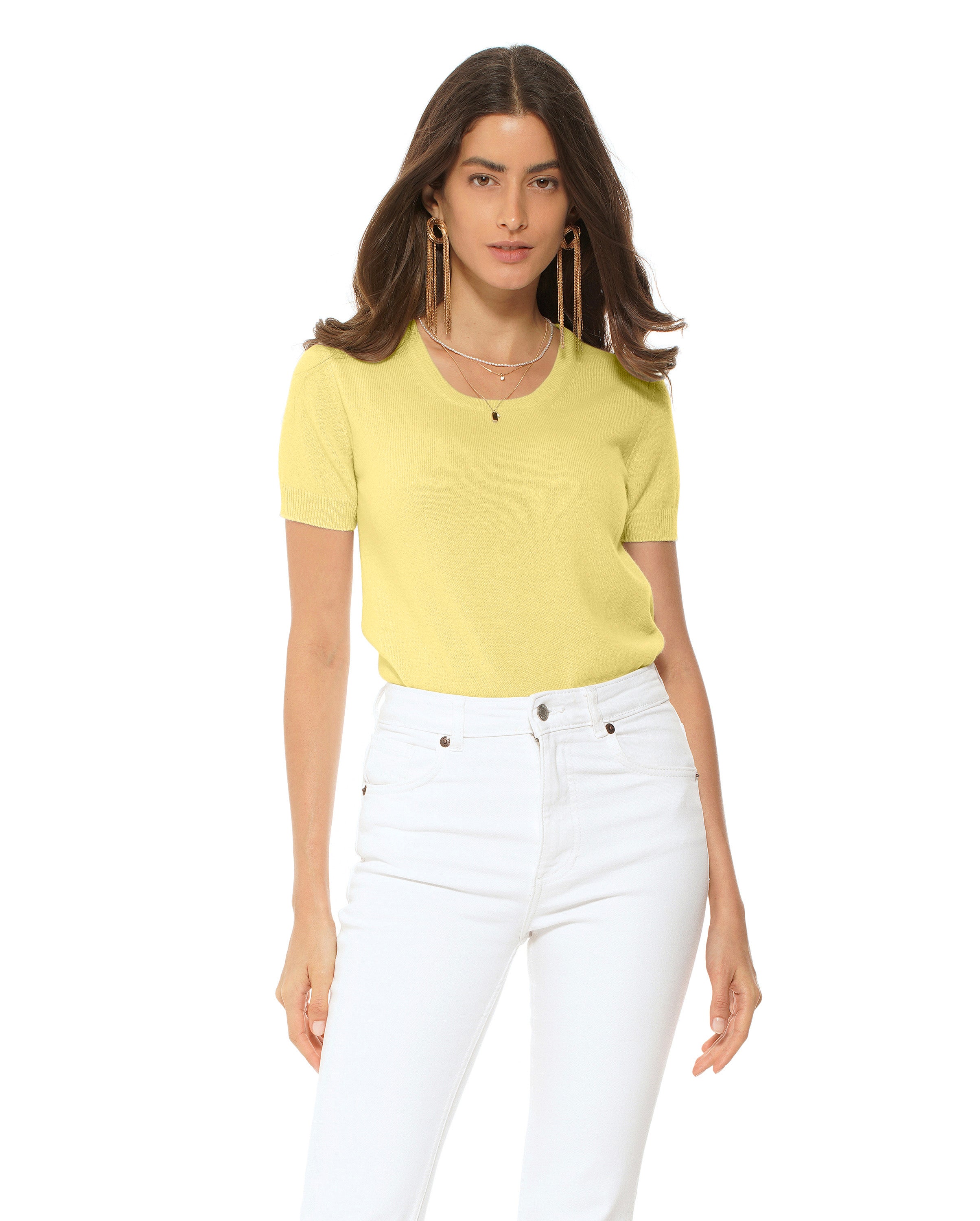
Pair your white tank or linen shirt with dark jeans and comfortable walking sneakers. This outfit is perfect for long days of sightseeing in cities like Rome or Florence, offering both style and support.
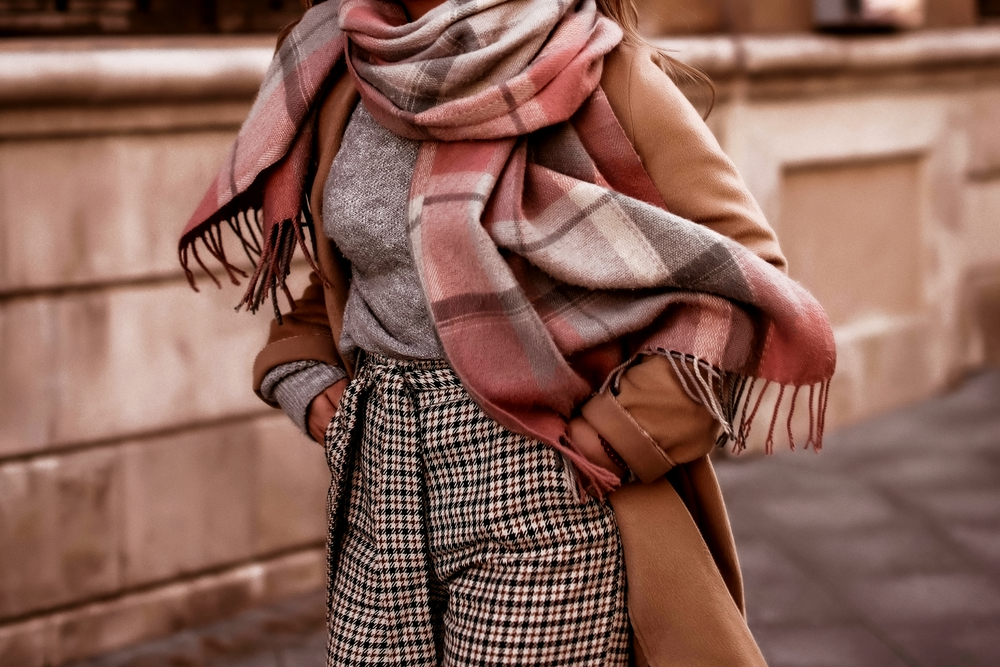
Swap the sneakers for loafers or elegant flats. Add your blazer or cardigan over a simple top. This look transitions smoothly from a casual aperitivo to a nice restaurant without looking too formal or too casual.
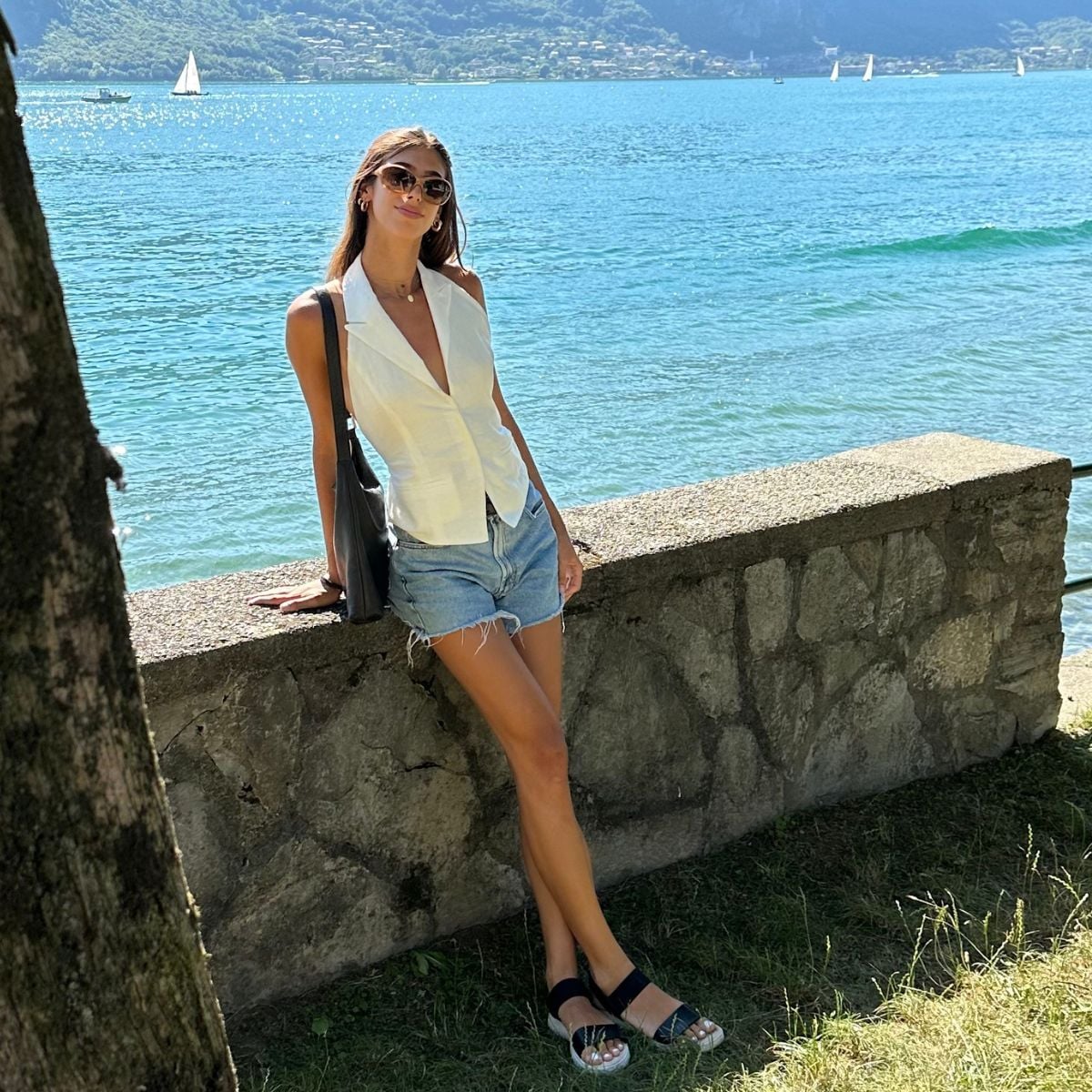
On hotter days, opt for linen trousers and a breathable cotton tee. You can roll up the sleeves and add a hat. This combination keeps you cool while maintaining a polished appearance suitable for most Italian venues.
Remember that Italians generally dress neatly. Avoid athletic wear, gym clothes, or overly distressed denim outside of specific contexts. By sticking to a cohesive color palette and versatile fabrics, you’ll find that every item you pack works together, making your trip lighter and more enjoyable.
Pack for spring and fall weather
Spring (April to June) and fall (September to October) offer the most comfortable temperatures for exploring Italy, but the weather is notoriously unpredictable. One hour it might be sunny and warm; the next, a cool breeze rolls in from the mountains or the sea. Because of this variability, the strategy for what to wear in Italy during these shoulder seasons relies entirely on layering. You need pieces that can be added or removed quickly as the temperature shifts throughout the day.
Think of your outfit like an onion: each layer serves a specific purpose. Start with a breathable base, add warmth with a mid-layer, and finish with a wind- or rain-resistant shell. This approach keeps you comfortable whether you’re hiking the Dolomites in the morning or enjoying a long dinner in Rome in the evening.
Begin with lightweight, natural fabrics that regulate body temperature. A merino wool t-shirt or a high-quality cotton blouse works well because these materials breathe in the afternoon sun but retain heat when the temperature drops. Avoid synthetic materials like polyester, which can trap sweat and feel clammy if the weather turns humid. Stick to neutral colors like white, beige, or light gray to keep the look versatile and easy to mix and match.
Your mid-layer is where you add insulation without bulk. A fine-knit cashmere sweater, a lightweight fleece, or a denim jacket are ideal choices. These pieces provide enough warmth to handle cool mornings and evenings but are thin enough to fit easily into your carry-on. If you are visiting northern Italy or higher elevations, opt for a slightly heavier knit. In coastal areas, a light cardigan or a structured blazer might be sufficient.
The final layer protects you from wind and rain, which are common during spring and fall. A trench coat is a classic choice for Italy because it looks polished enough for city streets while offering practical protection. Alternatively, a lightweight, packable waterproof jacket is essential if you are planning outdoor activities. Choose a neutral color like navy, olive, or beige so it pairs easily with your other layers. Make sure it packs down small enough to stow away when you don’t need it.
By sticking to this three-layer system, you can adapt to any weather condition without overpacking. Each piece should work with the others, allowing you to create multiple outfits from a small wardrobe. This method ensures you are always dressed appropriately for what to wear in Italy, regardless of the season’s whims.
Choose breathable summer outfits
Italian summers bring intense heat and humidity, especially in July and August. When planning what to wear in Italy during these months, prioritize natural fibers that allow air to circulate. Linen, cotton, and lightweight viscose are essential because they wick moisture and prevent the sticky discomfort that synthetic fabrics create.
Start with a flowy midi dress or skirt made from breathable material. This silhouette keeps you cool while respecting local norms for modesty in historic centers and religious sites. Pair it with a simple cotton tank or blouse underneath for added coverage and comfort during long days of walking.
For bottoms, choose lightweight trousers or linen pants. These offer sun protection and ventilation without the bulk of denim. Complete the look with comfortable footwear like colorful sneakers or fisherman sandals, which provide support for cobblestone streets. Carry a small bag for essentials and keep a light sweater or jacket in your daypack for overly air-conditioned trains or museums.
Respect church dress codes
Italy is a country of deep faith, and its historic churches are active places of worship, not just museums. When you plan what to wear in Italy, this is the one rule that strictly overrides casual summer comfort. Security guards at major sites like St. Peter’s Basilica or the Duomo in Florence are trained to deny entry to anyone violating these guidelines, and there are no exceptions for tourists.
The requirement is simple but rigid: shoulders and knees must be covered for all visitors, regardless of gender. This means no tank tops, sleeveless shirts, spaghetti straps, short shorts, or mini-skirts. Even if you are visiting a small village church, the standard remains the same. Carrying a lightweight scarf or shawl in your day bag is the most practical way to handle this; you can drape it over your shoulders to gain entry and remove it once inside.
Avoid clothing that is overly tight, sheer, or torn. The goal is modesty, not just coverage. If you are wearing a short dress, layer it with opaque tights or wear it over knee-length shorts. For men, avoid wearing hats inside the church. These rules are enforced consistently across the country, so packing versatile layers that respect these norms will ensure you never miss out on viewing Italy’s greatest artistic treasures.

Wear a short-sleeve or long-sleeve shirt that fully covers your shoulder blades. Avoid tank tops, spaghetti straps, or off-the-shoulder styles. A light cardigan or button-down shirt works well for hot days.
Choose pants, capris, or skirts that reach at least to the mid-knee. Shorts and mini-skirts are prohibited. Lightweight linen trousers or maxi skirts are ideal for warm weather while maintaining modesty.
Pack a large, lightweight scarf or shawl in your day bag. You can wrap it around your shoulders or waist to quickly meet dress code requirements when entering a church, then remove it when you leave.
Select comfortable walking shoes
Navigating Italy requires more than just a good itinerary; it demands footwear that can handle centuries-old cobblestones and miles of daily exploration. The wrong shoes can turn a dream trip into a painful ordeal, while the right pair becomes your most reliable travel companion. Prioritizing comfort does not mean sacrificing style. In fact, Italian style often blends practicality with polish, making it entirely possible to look put-together while keeping your feet happy.
Start with leather loafers for men and women. They offer structure and breathability, slipping easily on and off for museum visits or casual dinners. Pair them with dark jeans or tailored trousers for a clean, urban look. For women, a sleek leather sneaker or a sturdy flat sandal works equally well. These options provide the cushioning needed for long days of walking without the bulk of athletic running shoes.
Avoid breaking in brand-new shoes before your trip. You want footwear that feels broken in from the moment you pack it. If you must buy new shoes, wear them around your house for at least two weeks before departure. This prevents blisters and ensures you are ready to walk immediately upon arrival.
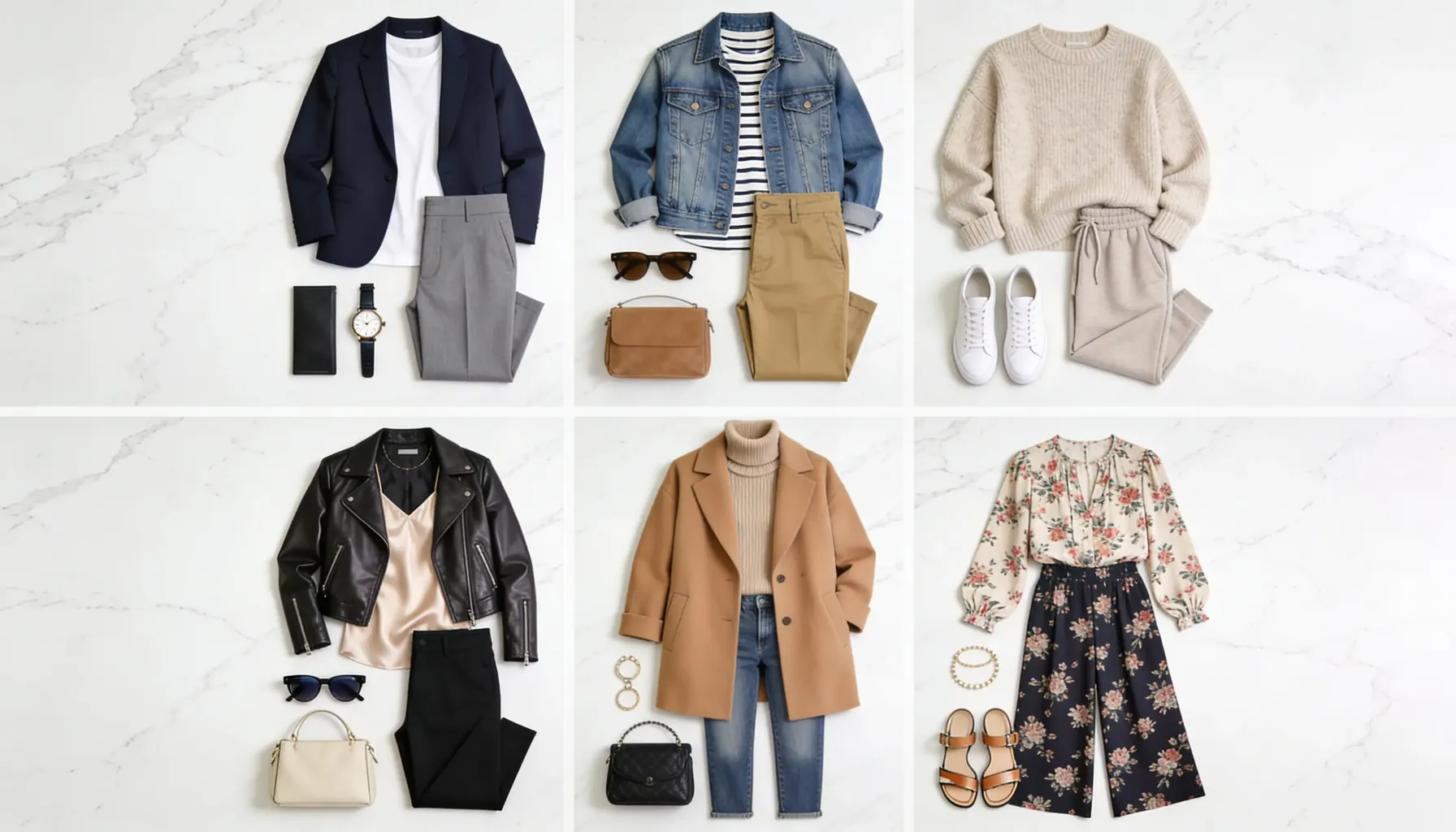
Final Packing Checklist for Italy
Before you zip your bag, verify these essentials. The goal is a versatile wardrobe that works for everything from Roman ruins to Tuscan dinners without weighing you down.
Clothing Essentials
- Lightweight Layers: Linen shirts, breathable cotton tees, and a light cardigan or blazer for cooler evenings or air-conditioned trains.
- Versatile Bottoms: Tailored shorts, dark jeans, and a midi skirt or maxi dress that transitions from day sightseeing to evening dining.
- Footwear: Broken-in walking sneakers for daytime exploration and leather loafers or elegant sandals for dinner.
Accessories & Essentials
- Day Bag: A secure crossbody bag or small backpack for daily excursions.
- Sun Protection: Wide-brimmed hat, sunglasses, and high-SPF sunscreen.
- Travel Documents: Passport, visa (if required), travel insurance cards, and printed hotel/transport confirmations.
-
Lightweight layers (linen/cotton)
-
Versatile bottoms (shorts/jeans/skirt)
-
Comfortable walking shoes
-
Dressier evening shoes
-
Day bag/crossbody
-
Sun hat & sunglasses
-
Passport & travel documents
-
Adapters & chargers
Common questions about Italy attire
Travelers often worry about blending in or accidentally offending locals, but the reality is simpler than the stereotypes suggest. The general rule for what to wear in Italy is comfort and context. You do not need a full wardrobe of designer clothes to fit in; Italians value neatness and appropriateness over specific brands or rigid fashion rules.
Do I need to dress up for dinner?
For most casual trattorias and family-run restaurants, smart-casual attire is perfectly acceptable. A clean pair of jeans, a nice blouse, or a polo shirt is sufficient. However, if you are planning to dine at high-end establishments or fine-dining venues in cities like Milan or Rome, you should upgrade to a collared shirt, slacks, or a dress. Avoid wearing gym clothes, flip-flops, or overly torn clothing in these settings.
What should I wear to visit churches?
This is the one area with strict, enforced dress codes. When entering active churches, cathedrals, or basilicas, you must cover your shoulders and knees. This applies to both men and women. Sleeveless tops, tank tops, short shorts, and mini-skirts are not permitted. Carry a lightweight scarf or shawl in your day bag to drape over your shoulders if you forget to dress appropriately beforehand.
Can I wear sandals in Italy?
Yes, but choose your style carefully. Sporty running sandals or beach flip-flops are best reserved for the beach or quick errands. For sightseeing and dining, opt for stylish leather sandals, loafers, or clean sneakers. Comfortable walking shoes are essential for cobblestone streets, so prioritize support over fashion when you plan to walk for hours.
No comments yet. Be the first to share your thoughts!