

Italian Style: Beyond the Postcard
The image of Italians always in designer logos and high heels is mostly a myth. Italians value quality and style, but it's about effortless elegance and natural flair, not ostentation. They know how to put outfits together that look good without demanding attention.
Italian style has a quiet confidence. Well-made clothes that fit properly are valued, often with classic cuts and neutral colors. The focus is on quality materials like linen, leather, and cashmere that last, building a wardrobe of timeless pieces rather than chasing fleeting trends.
Regional differences are significant. Milan, a fashion capital, leans polished and experimental, with bolder statements and current trends. Sicily or Puglia are more relaxed and practical, influenced by the Mediterranean climate and a laid-back lifestyle. An outfit suited for Milan might not fit in a small Calabrian town.
Blending in means showing respect for the culture through your clothing choices, not copying style. What you wear communicates thoughtfulness and appreciation for the Italian aesthetic. Prioritize quality, fit, and understated elegance over flashy branding.
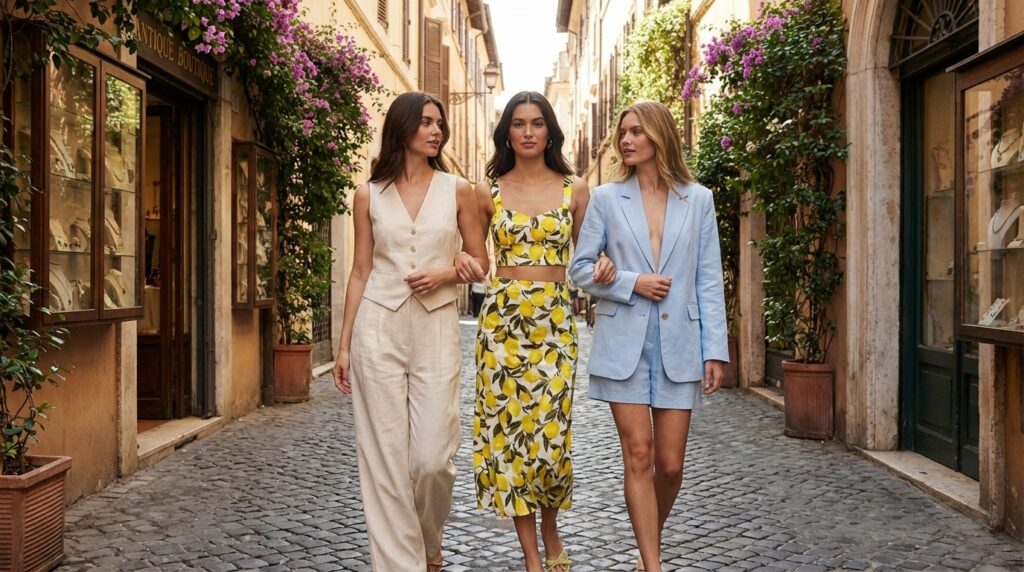
Spring in Italy (March-May): Layering is Key
Spring in Italy is unpredictable, with sunshine, rain, and cool breezes possible in one week. Layering is essential. Pack light jackets, cardigans, and scarves to adjust to temperature changes. A versatile trench coat is also a good addition.
Breathable fabrics like linen and cotton are ideal. Choose lighter sweaters and shirts for warmer days. Comfortable walking shoes are essential for exploring cities and towns. Break in new shoes before your trip to avoid blisters.
Be prepared for occasional showers with a small, foldable umbrella or a lightweight waterproof jacket. Italians dress conservatively in spring, favoring neutral colors like navy, beige, and gray. While maintaining personal style, keeping outfits classic helps blend in.
Many religious sites, including the Vatican, require modest attire: women need shoulders and knees covered, and men should wear long pants. A lightweight shawl or cardigan is useful for quickly covering up when entering churches or cathedrals; keep one in your bag.
- Light jacket or cardigan
- Breathable linen or cotton shirts
- Comfortable walking shoes
- Small, foldable umbrella
- Scarf or shawl for covering shoulders
Summer Heat: Comfort and Coverage
Italian summers, especially July and August, are intensely hot. Lightweight, breathable fabrics like linen and cotton are crucial. Loose-fitting clothing allows skin to breathe and helps you stay cool; avoid anything too tight or restrictive.
Sun protection is paramount. A wide-brimmed hat shields your face and neck, and sunglasses are a must. Apply sunscreen liberally and reapply throughout the day, as Italians are mindful of sun exposure.
Culturally, covering up more in cities than at the beach is expected. While bikinis are fine on the coast, walking around town in swimwear is inappropriate. Many churches prohibit bare shoulders and shorts. Carry a light shawl for impromptu church visits.
You don't need to sacrifice style for comfort. Flowing maxi dresses, linen pants, and loose-fitting button-down shirts are fashionable and practical. Opt for light colors that reflect sunlight. Italians know how to stay cool and look chic.
Autumnal Style: Transitioning Your Wardrobe
Autumn in Italy brings milder, but often rainy, temperatures. Layering remains important, and heavier fabrics can be incorporated. Sweaters, light jackets, and a classic trench coat are excellent choices.
Darker colors and richer fabrics like corduroy and wool are more appropriate. Burgundy, olive green, and navy blue complement the autumnal scenery. A good leather jacket is a versatile investment for warmth and style.
Comfortable, waterproof shoes are a must for wet pavements. Ankle boots are a good option. Italians value quality leather goods, making well-made boots a worthwhile expense.
Autumn is a good time to experiment with bolder colors and textures. A colorful scarf or patterned sweater adds personality. Mix and match different fabrics and patterns.
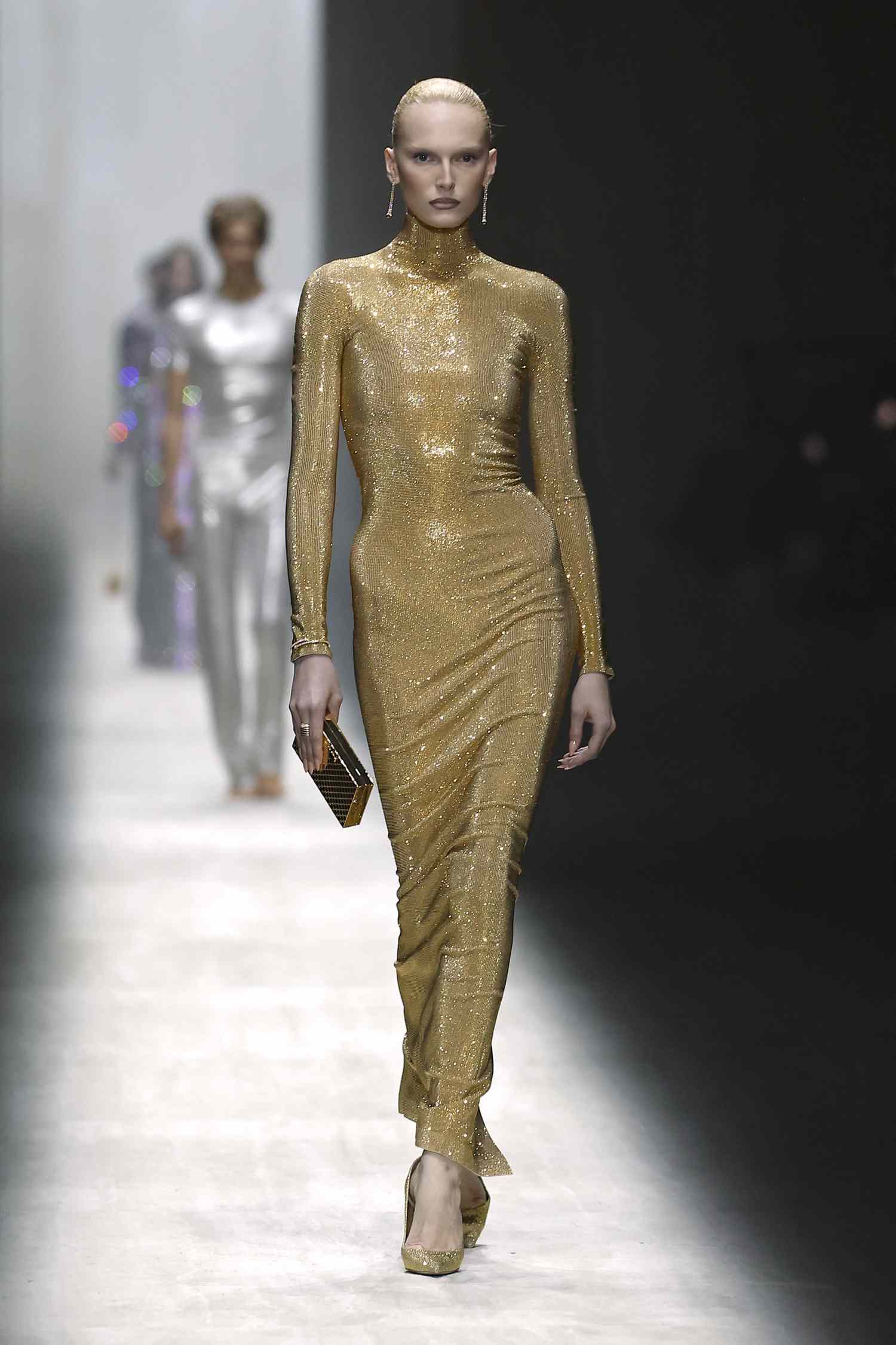
Winter Warmth: Dressing for the Cold
Winters in Italy can be surprisingly cold, especially in the north. Warm layers are essential: thermal underwear, sweaters, and a heavy coat are necessities. A good base layer is important for trapping heat.
Waterproof and insulated outerwear is crucial, especially in mountainous areas. A down-filled or wool coat with a waterproof lining keeps you warm and dry. Italians prioritize functionality in winter clothing.
Hats, gloves, and scarves are non-negotiable for protection from cold and wind. Italians often choose classic styles in neutral colors. A cashmere scarf is a luxurious and practical addition.
Italians prioritize quality over quantity in winter clothing. Investing in a few well-made pieces that last is better than buying many cheap items. A tailored wool coat is a staple of Italian winter style.
Regional Style Notes: North vs. South
Style differs noticeably between Northern and Southern Italy. Northern Italy, especially cities like Milan and Turin, is more sophisticated and fashion-forward, with more designer brands, minimalist aesthetics, and current trends. The look is often more polished and refined.
Southern Italy, including Naples and Sicily, is more relaxed and colorful, influenced by the Mediterranean climate and a laid-back lifestyle. Comfort and practicality are prioritized, with more vibrant colors and patterns, and greater acceptance of casual styles.
Adjust your wardrobe based on your destination. For Milan, pack tailored pieces and classic accessories. For Sicily, opt for lighter fabrics, casual shoes, and brighter colors. This shows respect for local culture and helps you blend in.
This is a general observation, not a strict rule; stylish people are found everywhere. However, the North generally focuses more on high fashion, while the South embraces a more relaxed and comfortable style.
Northern vs. Southern Italian Style
| Style Focus | Color Palette | Fabric Preferences | Shoe Choices | Overall Vibe |
|---|---|---|---|---|
| Northern Italy | Sophisticated tailoring, minimalist chic, modern lines | Neutral tones – greys, navy, black, camel – with occasional jewel tones | High-quality wool, cashmere, silk, structured cottons | Loafers, elegant ankle boots, classic sneakers, refined leather shoes |
| Southern Italy | Relaxed silhouettes, vibrant patterns, effortless style | Bright, warm colors – terracotta, lemon yellow, azure blue – often inspired by the Mediterranean | Lightweight linen, breathable cotton, flowing viscose | Espadrilles, sandals, comfortable walking shoes, stylish leather slides |
| Northern Italy | Emphasis on quality over quantity; investment pieces | Monochromatic looks are common, with pops of color used sparingly | Fabrics that hold their shape and drape well, reflecting a sense of structure | Shoes that are practical for city walking but maintain a stylish appearance |
| Southern Italy | More emphasis on trends and expressing personality through clothing | Bold prints and accessories are frequently incorporated | Fabrics chosen for their comfort in warmer climates | Footwear prioritizing comfort and ease, suitable for cobblestone streets |
Illustrative comparison based on the article research brief. Verify current pricing, limits, and product details in the official docs before relying on it.
Shoes: The Foundation of Your Italian Look
Italians take shoes seriously, considering them a key outfit element. While comfortable walking shoes are essential for sightseeing, stylish options that complement your look are also important.
Leather shoes are a classic choice. They’re durable, versatile, and look good with a variety of outfits. Loafers, boots, and elegant sandals are all good options. Italians often invest in high-quality leather shoes that will last for years.
Consider different styles for different occasions. Sneakers are perfectly acceptable for casual sightseeing, but loafers or boots are more appropriate for a dinner out or a visit to a museum. Avoid overly athletic or bulky sneakers unless you’re actually exercising.
I’ve learned that Italians rarely sacrifice style for comfort when it comes to shoes. They’ll often choose a slightly less comfortable but more fashionable pair of shoes, even for long days of walking. But finding a balance between comfort and style is key.
Accessories: The Finishing Touches
Accessories can make or break an outfit. They’re the perfect way to add personality and polish to your look. Scarves are a particularly versatile accessory – they can be worn around your neck, in your hair, or tied to your bag.
Belts and jewelry can also elevate your outfit. A stylish belt can cinch your waist and add definition, while a delicate necklace or earrings can add a touch of sparkle. Sunglasses are a must-have accessory, especially during the summer months.
A stylish handbag or backpack is essential for carrying your essentials. I always bring a small, cross-body bag for security. It’s a convenient way to keep your valuables close and your hands free.
Italians tend to favor understated elegance when it comes to accessories. They’ll often choose classic pieces in neutral colors that will complement a variety of outfits. Avoid anything too flashy or ostentatious.
No comments yet. Be the first to share your thoughts!