

The wild coast of Maremma
The Maremma, along the Tuscan coast, is a world away from the rolling hills and vineyards often depicted in postcards. Historically a marshland plagued by malaria, it was drained in the 20th century, revealing a rugged, natural beauty. Its history is palpable, with traces of Etruscan settlements scattered throughout the landscape.
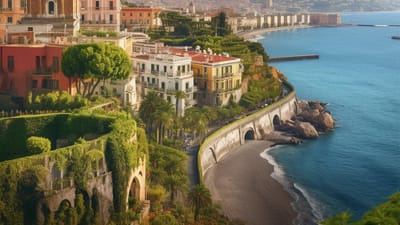
This isn’t a "polished’ Tuscany; it’s a raw, untamed one. The coastline is a mix of sandy beaches, rocky coves, and pine forests. The Parco Naturale della Maremma is a haven for wildlife, including wild boar, deer, and numerous bird species. It"s a fantastic place for hiking, biking, and horseback riding.
Coastal towns like Castiglione della Pescaia offer a more traditional seaside experience, with restaurants serving fresh seafood and lively promenades. Orbetello, a charming town built on a lagoon, is known for its distinctive Spanish influence. The cuisine here reflects the coastal location – think cacciucco (fish stew) and grilled seafood, often accompanied by Vermentino wine.
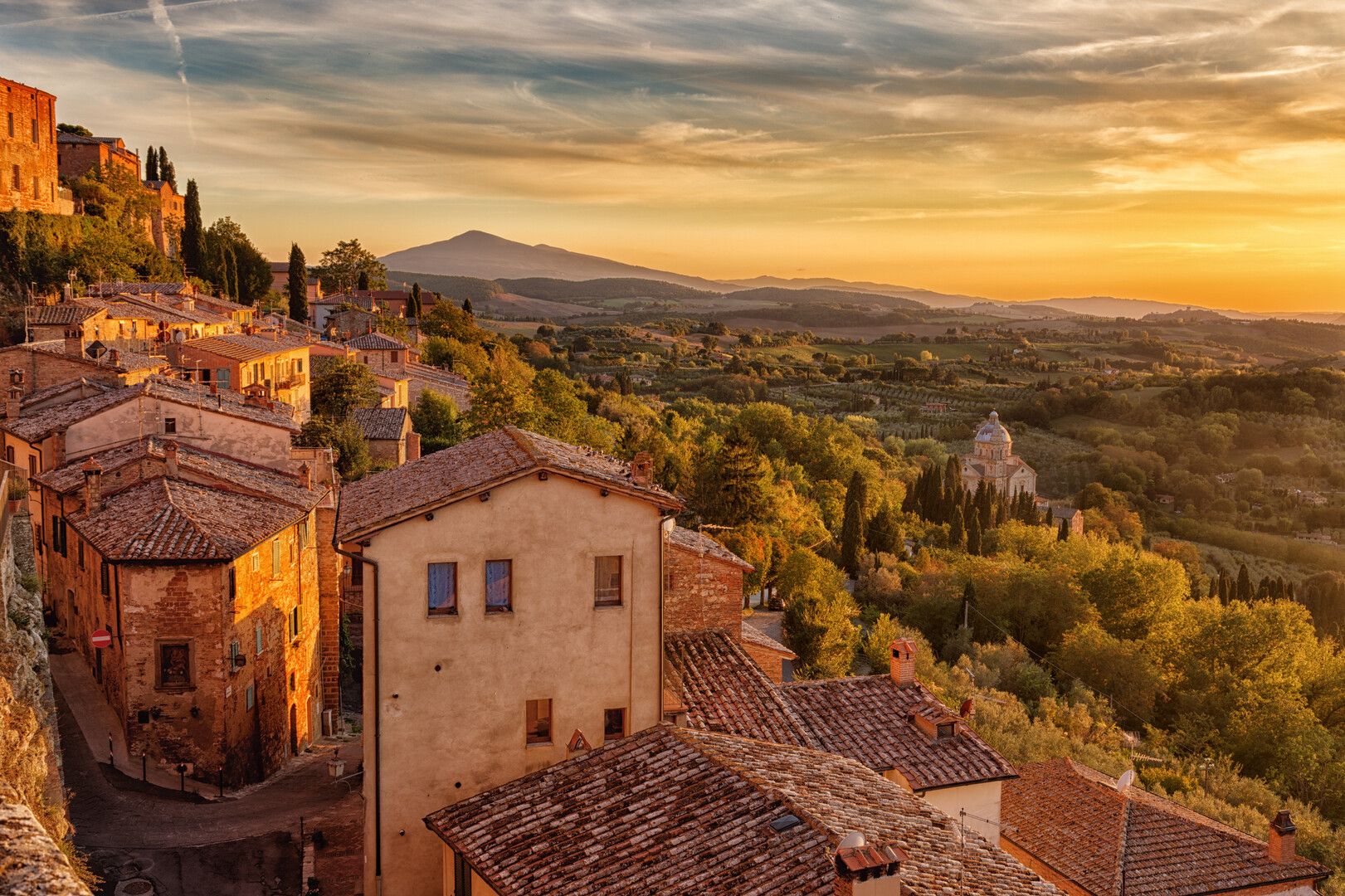
Garfagnana: Peaks and Local Life
For a completely different Tuscan experience, head north to Garfagnana, nestled in the Apuan Alps. This region is characterized by dramatic mountain scenery, lush chestnut forests, and the imposing marble quarries of Carrara. It's a landscape that feels both ancient and powerful.
Hiking is a major draw here, with trails ranging from gentle strolls to challenging climbs. The local festivals, often celebrating chestnuts or traditional crafts, offer a glimpse into the strong sense of community that defines Garfagnana. You’ll find artisans preserving age-old skills, from wood carving to marble sculpting.
Barga, a medieval town perched on a hilltop, is considered one of the most beautiful villages in Tuscany. Its narrow streets, historic buildings, and stunning views make it a perfect base for exploring the region. Don’t be surprised if you’re invited to share a glass of wine with a local – hospitality is a way of life here.
- Hike the Apuan Alps trails
- Traditional chestnut festivals
- Local artisan workshops
Wine tours that skip the chemicals
Tuscany is synonymous with wine, but the focus is shifting towards sustainability. While Chianti Classico remains popular, a growing number of producers are embracing organic and biodynamic farming practices, prioritizing the health of the land and the quality of their wines. Exploring these smaller, lesser-known regions is incredibly rewarding.
The Montecucco area, south of Siena, produces robust red wines from Sangiovese grapes, often at more affordable prices than Chianti. The Ansonica Coast, along the southern Tuscan coast, is known for its crisp white wines made from the Ansonica grape. Val di Cornia, near the Etruscan coast, offers a diverse range of wines, including Vermentino and Cabernet Sauvignon.
Fattoria di Maiano near Florence is a solid choice for organic tours. If you're further south in Val d’Orcia, Tenuta di Trinoro produces great biodynamic bottles. I also spent time at Petra near Suvereto; they've put serious money into water conservation and solar power, which is rare for the region.
When choosing a tour, look for wineries that prioritize organic or biodynamic farming, water conservation, and fair labor practices. Don’t hesitate to ask questions about their sustainability efforts.
Hidden Villages: Pitigliano and Sovana
Venture off the beaten path to discover Pitigliano and Sovana, two villages that seem to have been carved directly out of the tufa rock. Pitigliano, known as "Little Jerusalem" due to its historical Jewish community, is a truly striking sight – a cluster of houses perched dramatically on a cliff overlooking the Lente valley.
Sovana, a former Etruscan and medieval center, is equally captivating. Its well-preserved architecture, including the Romanesque cathedral of Saints Peter and Paul, transports you back in time. Wandering through the narrow streets, you’ll feel a sense of history and tranquility.
Both villages are connected by the Vie Cave, ancient Etruscan roads carved into the rock. These mysterious pathways, shrouded in vegetation, offer a unique glimpse into the region’s past. Exploring these villages is about getting lost, discovering hidden corners, and connecting with the local life. Stop for a coffee in the piazza, chat with the locals, and soak up the atmosphere.
- Explore the Vie Cave (Etruscan roads)
- Visit the Jewish Ghetto in Pitigliano
- Admire the Romanesque cathedral in Sovana
Tuscan Cuisine: Regional Specialties
Tuscan cuisine is known for its simplicity and its emphasis on fresh, seasonal ingredients. But it’s also incredibly diverse, with regional specialties varying significantly from the coast to the mountains. Forget the tourist-trap pasta dishes and explore the authentic flavors of Tuscany.
Coastal areas favor seafood dishes like cacciucco (fish stew) and spaghetti alle vongole (spaghetti with clams). Inland, you’ll find hearty meat dishes like cinghiale in umido (wild boar stew) and pappardelle al ragù di lepre (pappardelle with hare sauce). Pappa al pomodoro, a thick bread and tomato soup, and ribollita, a hearty vegetable and bread soup, are staples throughout the region.
Panforte, a dense, chewy fruitcake, and cantucci (almond biscuits) are popular desserts. Don't miss the local markets, where you can sample and purchase fresh produce, cheeses, and cured meats. Food festivals are also a great way to experience the regional cuisine and meet local producers.
Getting Around: Trains, Buses, and Cars
Navigating Tuscany requires some planning. The train network connects major cities like Florence, Siena, and Pisa, but it doesn’t reach many of the smaller towns and villages. The bus system is more extensive, but can be slow and infrequent. Renting a car offers the most flexibility, but be prepared for narrow roads, winding mountain passes, and the infamous ZTL zones (limited traffic zones) in many towns.
Driving in Tuscany can be challenging, especially if you’re not used to European roads. Pay attention to road signs, be prepared to yield to oncoming traffic on narrow roads, and avoid driving in ZTL zones, which are strictly enforced. Carpooling options are becoming increasingly popular, and local taxi services are available in some areas. Public transport, while improving, remains limited in the more remote areas.
Tuscany Transportation Options: A Comparison for Exploring Beyond Florence
| Cost | Convenience | Accessibility (Remote Areas) | Environmental Impact |
|---|---|---|---|
| Train | Medium | High (to major towns) | Low |
| Bus | Low | Medium (covers a broad network) | Medium |
| Rental Car | High | High (fullest flexibility) | High |
| Private Transfer | Very High | High (door-to-door service) | Medium to High, depending on vehicle |
| Bicycle | Low (initial rental cost) | Low to Medium (limited range & terrain) | Very Low |
| Combination (Train/Bus/Local Taxi) | Medium | Medium to High (requires planning) | Low to Medium |
Illustrative comparison based on the article research brief. Verify current pricing, limits, and product details in the official docs before relying on it.
No comments yet. Be the first to share your thoughts!