

Northern Italy’s Renaissance Cities Today
Northern Italy feels different than the rest of the country. It's a place where the echoes of the Renaissance still resonate, but aren't confined to history books. Cities like Florence, Venice, Milan, and Verona aren’t static museums; they’re living, breathing places with a contemporary energy that complements their past.
The region’s appeal for travelers is obvious – the art, the architecture, the food. But it's more than just checking off famous landmarks. It's about wandering through cobbled streets, stumbling upon hidden courtyards, and experiencing the dolce vita firsthand. There’s a real sense of discovery here, even for repeat visitors.
The legacy of the Renaissance is everywhere. Florence, the birthplace of the movement, still draws crowds with its masterpieces. Venice, a republic built on trade and innovation, continues to captivate with its unique atmosphere. Milan, a center of artistic patronage, has evolved into a global hub for fashion and design. And Verona, with its Roman arena and Shakespearean romance, offers a different, more intimate perspective.
In 2026, these cities are poised to welcome a new wave of travelers eager to experience this blend of history and modernity. Investment in infrastructure and a growing interest in sustainable tourism are shaping the region's future, ensuring that its cultural treasures are preserved for generations to come. You’ll find a Northern Italy that honors its past while embracing the possibilities of the present.
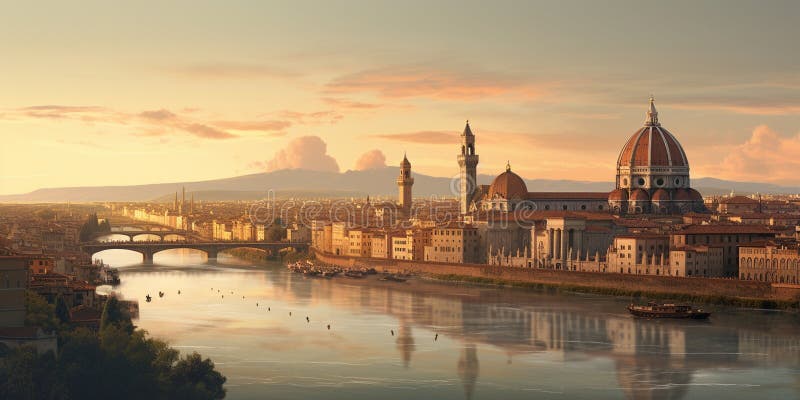
Florence: Beyond the Uffizi
Florence is synonymous with the Renaissance, and for good reason. The Uffizi Gallery and the Accademia are essential visits, of course. Seeing Botticelli’s Birth of Venus or Michelangelo’s David in person is truly unforgettable. But to truly understand Florence, you need to venture beyond these iconic institutions.
The Oltrarno district, on the other side of the Arno River, is where you’ll find the city’s artisan workshops. Leather goods, ceramics, and jewelry are all crafted using traditional techniques passed down through generations. It's a fantastic place to find unique souvenirs and witness the artistry firsthand. I recently spent an afternoon watching a leather craftsman at work, and it was mesmerizing.
The Boboli Gardens, behind the Pitti Palace, offer a tranquil escape from the bustling city center. These sprawling gardens are a masterpiece of Italian garden design, with fountains, sculptures, and hidden grottoes. Allow at least half a day to explore them fully. Don't forget comfortable shoes – there's a lot of walking involved!
More recently, Florence has become a testing ground for digital art. Several installations are appearing, using projection mapping and augmented reality to reimagine Renaissance masterpieces or create entirely new experiences. Palazzo Strozzi, for example, frequently hosts immersive digital exhibitions that offer a fresh perspective on art history. This blending of old and new is what makes Florence so compelling.
- Scuola del Cuoio: Offers leatherworking workshops for all skill levels within the Santa Croce monastery.
- Ceramic studios in the Oltrarno district: See artisans at work and purchase unique pieces.
- Boboli Gardens: Explore the gardens and enjoy panoramic views of the city.
Florentine Artisan Workshops
- Scuola del Cuoio - This leather school, founded in 1950, offers courses ranging from a few hours to several months, covering techniques like leather tooling, carving, and bag making. Located within the Monastery of Santa Croce.
- Fratelli Piccini - A historic marble workshop established in 1863, Fratelli Piccini provides sculpting and marble working courses for all skill levels. They focus on traditional Florentine techniques.
- Studio d'Arte Ceramica - Offers pottery and ceramics workshops, including wheel throwing, hand-building, and raku firing. Participants can create and decorate their own unique pieces.
- Giulio Parigini - Specializes in restoration and creation of Florentine paper marble. Workshops focus on the ancient technique of paper marbling, creating unique patterned papers.
- Alessandro Dari – Arte del Legno - A wood carving and gilding workshop where you can learn traditional Florentine techniques for creating and restoring wooden objects. They offer courses for beginners and advanced students.
- Officina Profumo-Farmaceutica di Santa Maria Novella - While primarily a historic pharmacy, Santa Maria Novella offers workshops detailing the art of perfume making and herbal remedies, rooted in centuries of tradition.
- Florence Art School - Leather Design - Offers intensive short courses in leather design and craftsmanship, focusing on contemporary techniques alongside traditional Florentine methods.
Venice: Digital Reflections on a Floating City
Venice is a city unlike any other, and its challenges are unique too. Rising sea levels and overtourism threaten its delicate ecosystem and cultural heritage. It's a heartbreaking situation, and it’s prompted some fascinating responses, particularly in the realm of digital art and technology.
Immersive exhibitions are becoming increasingly popular. These aren't just static displays; they use virtual reality, projection mapping, and interactive installations to transport visitors back in time. Several companies now offer virtual reality tours of historical palazzos, allowing you to explore spaces that are normally closed to the public. This is a great way to experience the city's grandeur and understand its history.
Digital art installations are also responding to the lagoon’s environment. Artists are using sensors and data visualization to create works that reflect the changing tides, water quality, and the impact of climate change. These installations are often site-specific, meaning they’re designed to be experienced in a particular location within the city. I found one piece that used projections onto the Rialto Bridge to illustrate the predicted rise in sea levels – it was incredibly powerful.
However, the use of technology to 'save' Venice raises ethical questions. Is it right to create a digital replica of a city that’s slowly disappearing? Does this distract from the urgent need to address the underlying causes of its decline? These are complex issues with no easy answers. It feels a little like putting a band-aid on a much larger wound.
The Venice Glass Week, held annually in September, is also incorporating digital elements. This year, they featured augmented reality experiences that allowed visitors to see how glass is made and learn about the history of Murano glassblowing. It’s a clever way to engage a wider audience and preserve a traditional craft.
Beyond the art, digital tools are also helping with preservation efforts. High-resolution 3D scans of buildings and monuments are being created to document their current state and provide a record for future restoration work. This is a crucial step in ensuring that Venice’s cultural heritage is protected for generations to come.
- Virtual Reality Tours: Several companies offer VR tours of historical palazzos.
- Immersive Exhibitions: Check event listings for current digital art installations.
- Venice Glass Week: Look for augmented reality experiences during the annual festival.
Milan: Renaissance Roots, Futuristic Art
Milan is often associated with fashion and design, but its Renaissance history is often overlooked. Leonardo da Vinci spent nearly two decades in Milan, working for the Sforza family. The Sforza Castle, a magnificent fortress in the heart of the city, is a testament to their patronage and power. It houses several museums and art collections, including a replica of Leonardo’s Last Supper.
The Pinacoteca di Brera, one of Milan’s most important art galleries, also boasts a significant collection of Renaissance paintings. Works by Raphael, Caravaggio, and Mantegna are all on display. It's a smaller, more manageable museum than the Uffizi, making it a good choice for those with limited time.
Today, Milan is a global hub for fashion, design, and innovation. This creative energy is reflected in its thriving digital art scene. Several galleries and studios are experimenting with new technologies, creating immersive installations and interactive experiences.
Brands are increasingly using augmented reality (AR) and virtual reality (VR) to showcase their designs. For example, some fashion houses are offering virtual try-on experiences, allowing customers to see how clothes will look on them before they buy them. Others are creating immersive VR showrooms, where customers can explore their collections in a virtual environment. This is a smart way to engage customers and create a more personalized shopping experience.
The city's annual design week, Salone del Mobile, frequently features digital art installations that push the boundaries of creativity and technology. It’s a fantastic opportunity to see what’s new and innovative in the world of design.
- Sforza Castle: Explore the castle and its museums.
- Pinacoteca di Brera: Discover Renaissance masterpieces.
- Salone del Mobile: Attend the annual design week for cutting-edge digital art.
Verona & Beyond: Smaller Cities, Hidden Gems
While Florence, Venice, and Milan often steal the spotlight, Northern Italy is full of smaller cities that offer a more intimate and authentic experience. Verona, famous for its association with Romeo and Juliet, is a great place to start. The Arena di Verona, a remarkably well-preserved Roman amphitheater, hosts opera performances during the summer months.
Mantua, a UNESCO World Heritage site, is another hidden gem. The Palazzo Ducale, a sprawling palace complex, is a masterpiece of Renaissance architecture. The city's historic center is charming and walkable, with picturesque squares and canals.
Cremona is renowned for its tradition of violin making. The Museo del Violino, dedicated to the art of violin making, is a must-visit for music lovers. You can even attend a concert featuring instruments made by local artisans.
Many of these smaller cities are beginning to embrace digital art, though on a smaller scale than the major centers. Local galleries and cultural organizations are experimenting with projection mapping and interactive installations, often focusing on themes related to the city’s history and heritage. It’s worth checking local event listings to see what’s on offer.
The appeal of these cities lies in their slower pace of life and their strong sense of local identity. You’re more likely to encounter locals going about their daily routines, and you’ll have a chance to experience the real Italy.
Planning Your Trip: Practicalities for 2026
Getting around Northern Italy is relatively easy. High-speed trains connect the major cities, making it possible to travel between Florence, Venice, and Milan in just a few hours. Trenitalia and Italo are the two main train operators. Booking tickets in advance is highly recommended, especially during peak season.
Flights are also an option, with several international airports serving the region. Milan Malpensa, Venice Marco Polo, and Florence Airport are the main hubs. Consider flying into one city and out of another to maximize your time.
Car rentals are available, but driving in the cities can be challenging due to narrow streets and limited parking. It’s generally best to avoid driving in the historic centers and rely on public transportation. ZTLs (Limited Traffic Zones) are common, and entering these zones without a permit can result in hefty fines.
Accommodation options range from budget-friendly hostels to luxury hotels. Airbnb is also a popular choice, but be aware of local regulations. Booking well in advance is essential, especially for travel in 2026, given the expected increase in tourism.
The best time to visit Northern Italy is during the spring (April-May) or fall (September-October). The weather is mild, and the crowds are smaller. Summers can be hot and crowded, while winters can be cold and rainy. Pack layers, comfortable shoes, and an umbrella, regardless of the season. As of now, there aren't any major changes planned for travel regulations in 2026, but it’s always a good idea to check the latest updates before your trip.
- Book train tickets in advance.
- Consider flying into one city and out of another.
- Avoid driving in city centers.
- Book accommodation well in advance.
- Pack layers and comfortable shoes.
Food & Drink: A Renaissance Palate
The culinary traditions of Northern Italy are as rich and diverse as its artistic heritage. During the Renaissance, food was often a symbol of status and wealth. Elaborate banquets were common among the nobility, and chefs competed to create the most innovative and delicious dishes.
Each region has its own specialties. In Tuscany, you’ll find hearty meat dishes like bistecca alla fiorentina (Florentine steak) and ribollita (a bread and vegetable soup). In Venice, seafood is the star, with dishes like risotto al nero di seppia (risotto with squid ink) and sarde in saor (sweet and sour sardines).
Milan is known for its risotto alla milanese (saffron risotto) and cotoletta alla milanese (breaded veal cutlet). Verona boasts pastissada de caval (horse meat stew) and gnocchi all'Amarone (gnocchi with Amarone wine sauce). Don’t forget to sample the local wines – Chianti in Tuscany, Prosecco in Veneto, and Barbera in Piedmont.
To find authentic trattorias and osterias, venture away from the tourist hotspots and explore the side streets. Look for places that are popular with locals. Don’t be afraid to ask for recommendations. In 2026, several food festivals are planned, including the Sagre (food festivals) celebrating seasonal produce and local specialties. Check local event listings for details.
- Bistecca alla Fiorentina (Tuscany): Florentine steak
- Risotto al Nero di Seppia (Venice): Risotto with squid ink
- Risotto alla Milanese (Milan): Saffron risotto
- Pastissada de Caval (Verona): Horse meat stew
A Culinary Comparison: Florence, Venice & Milan
| Region | Key Ingredients | Signature Dishes | Wine Pairings | Vibe |
|---|---|---|---|---|
| Florence | Olive oil, fresh pasta, Tuscan beans, Chianina beef | Bistecca alla Fiorentina, Lampredotto, Ribollita | Chianti Classico, Brunello di Montalcino | Rustic |
| Venice | Seafood, risotto, seasonal vegetables (especially asparagus), polenta | Sarde in Saor, Risotto al Nero di Seppia, Fritto Misto | Prosecco, Soave | Elegant |
| Milan | Butter, saffron, rice, veal | Risotto alla Milanese, Cotoletta alla Milanese, Ossobuco | Barolo, Franciacorta | Modern |
| Florence | Artichokes, truffles, game meats | Pappardelle al Cinghiale, Trippa alla Fiorentina | Morellino di Scansano | Hearty |
| Venice | Squid ink, fresh fish from the lagoon, radicchio | Spaghetti alle Vongole, Baccalà Mantecato | Pinot Grigio | Refined |
| Milan | Pumpkin, Gorgonzola cheese, beef | Panettone, Cassoeula | Nebbiolo | Sophisticated |
Illustrative comparison based on the article research brief. Verify current pricing, limits, and product details in the official docs before relying on it.

No comments yet. Be the first to share your thoughts!