

Italy’s Climate: A Quick Seasonal Guide
Italy’s climate is wonderfully diverse, which is a huge part of its appeal. Forget thinking of it as one consistent weather pattern; the country stretches from the Alps to the Mediterranean, and conditions change dramatically. You’ll find alpine conditions in the north, mild Mediterranean climates in the south, and everything in between.
Even within a single season, you can experience significant variations. The Po Valley, for example, can be humid and hot in the summer, while Sicily enjoys warm, dry conditions. Italy also has a lot of microclimates – small areas with weather conditions that differ from their surroundings – so being prepared for anything is a good strategy.
Understanding these differences is the first step to packing appropriately. We'll break down each season in more detail, but generally, Italy enjoys mild winters and hot summers, with spring and autumn offering pleasant, transitional weather. Knowing what to expect will make your trip far more enjoyable.
Spring Packing: Layers are Your Friend
Spring in Italy, spanning roughly March to May, is a beautiful time to visit, but it’s notoriously unpredictable. The weather can swing from sunny and warm to cool and rainy, sometimes within the same day. This is where the concept of layering becomes absolutely essential.
Think in terms of building outfits. Pack light jackets – a trench coat or a denim jacket are good choices – along with sweaters, cardigans, and a few long-sleeved shirts. A versatile scarf can add warmth and style. Don't underestimate the need for a light waterproof jacket; April showers are common, especially in the north.
Comfortable walking shoes are non-negotiable. You’ll likely be doing a lot of exploring, from cobblestone streets to rolling hills. Consider waterproof or water-resistant options. A small umbrella is also a sensible addition to your bag. A pair of closed-toe shoes and sandals is a great idea to give your feet options.
Summer Essentials: Beat the Heat
June through August in Italy means heat. Intense heat. The sun is strong, and temperatures can soar, especially in July and August. Your packing strategy should focus on breathable fabrics like linen and cotton to keep you cool and comfortable. Avoid synthetic materials that trap heat.
Sun protection is paramount. A wide-brimmed hat, sunglasses with UV protection, and high-SPF sunscreen are essential. Remember to reapply sunscreen frequently, especially if you’re swimming or sweating. A reusable water bottle is also a must-have to stay hydrated throughout the day.
When visiting churches and religious sites, remember to pack modest clothing that covers your shoulders and knees. A lightweight shawl or sarong can be useful for this purpose. While sandals are acceptable, comfortable walking shoes remain vital for exploring. A small, portable fan can be a lifesaver during particularly hot days.
- Lightweight, breathable clothing (linen, cotton)
- Wide-brimmed hat
- Sunglasses with UV protection
- High-SPF sunscreen
- Reusable water bottle
- Modest clothing for religious sites
- Comfortable walking shoes
- Small portable fan
Autumn Adventures: Style and Warmth
September to November in Italy offers a delightful mix of pleasant days and cooler evenings. Like spring, layering is key. The weather can be variable, so be prepared for both sunshine and rain. A light to medium-weight jacket is a good idea, and a waterproof jacket is highly recommended.
Comfortable walking shoes are still crucial, as you’ll likely be doing plenty of sightseeing. This is a great time to incorporate stylish scarves and boots into your wardrobe. The changing foliage adds a beautiful backdrop to your adventures, and a scarf can complement the scenery.
Evenings can get chilly, so pack a few warmer layers, such as sweaters or a fleece jacket. A light rain shower is always a possibility, so be prepared with a compact umbrella or a waterproof jacket. Don't be afraid to embrace the autumnal aesthetic with richer colors and textures.
Winter Warmth: Dressing for the Cold
December to February in Italy can be quite cold, especially in the north and in mountainous regions. Warm layers are essential, starting with thermal underwear to trap heat. Pack plenty of sweaters, and a heavy, insulated coat is non-negotiable. Consider a coat that is both waterproof and windproof.
Waterproof boots are essential, particularly if you’re planning to visit cities like Venice or if you’re heading to the Alps. Gloves, a hat, and a scarf are also non-negotiable – you’ll lose a lot of heat through your extremities. Waterproof outerwear is a smart investment.
Be prepared for potential snow in the northern and central regions of Italy. If you’re visiting Rome or Florence, the temperatures are generally milder, but a warm coat is still recommended. Check the forecast before you go and pack accordingly. Don't underestimate the chill factor, especially in windy conditions.
- Thermal underwear
- Sweaters
- Heavy, insulated coat
- Waterproof boots
- Gloves
- Hat
- Scarf
Winter Layering Guide for Italy
| Temperature Range (°C) | Base Layer | Mid Layer | Outer Layer |
|---|---|---|---|
| -5 to 0°C | Merino wool or synthetic long-sleeved shirt and long underwear | Fleece jacket or wool sweater | Waterproof and windproof insulated coat. Consider a parka for extended outdoor exposure. |
| 0 to 5°C | Moisture-wicking long-sleeved shirt and leggings | Wool sweater or thick fleece | Warm, waterproof jacket. A lighter insulated coat may suffice depending on activity level. |
| 5 to 10°C | Long-sleeved shirt | Cardigan or light fleece | Water-resistant jacket or a heavier sweater. A light windbreaker can be useful. |
| 10 to 15°C | Light long-sleeved shirt or t-shirt | Light sweater or fleece | Light jacket or trench coat. Consider a packable rain jacket. |
| Above 15°C | T-shirt | Light cardigan or shawl (optional) | Light jacket or windbreaker for evenings. |
Illustrative comparison based on the article research brief. Verify current pricing, limits, and product details in the official docs before relying on it.
Region-Specific Considerations
Italy’s regional diversity extends to packing needs. What you bring to Tuscany will differ from what you need on the Amalfi Coast. In Tuscany, comfortable walking shoes are a must for exploring the rolling hills and charming towns. Layers are important, as the weather can change quickly. A light jacket and a scarf are good additions.
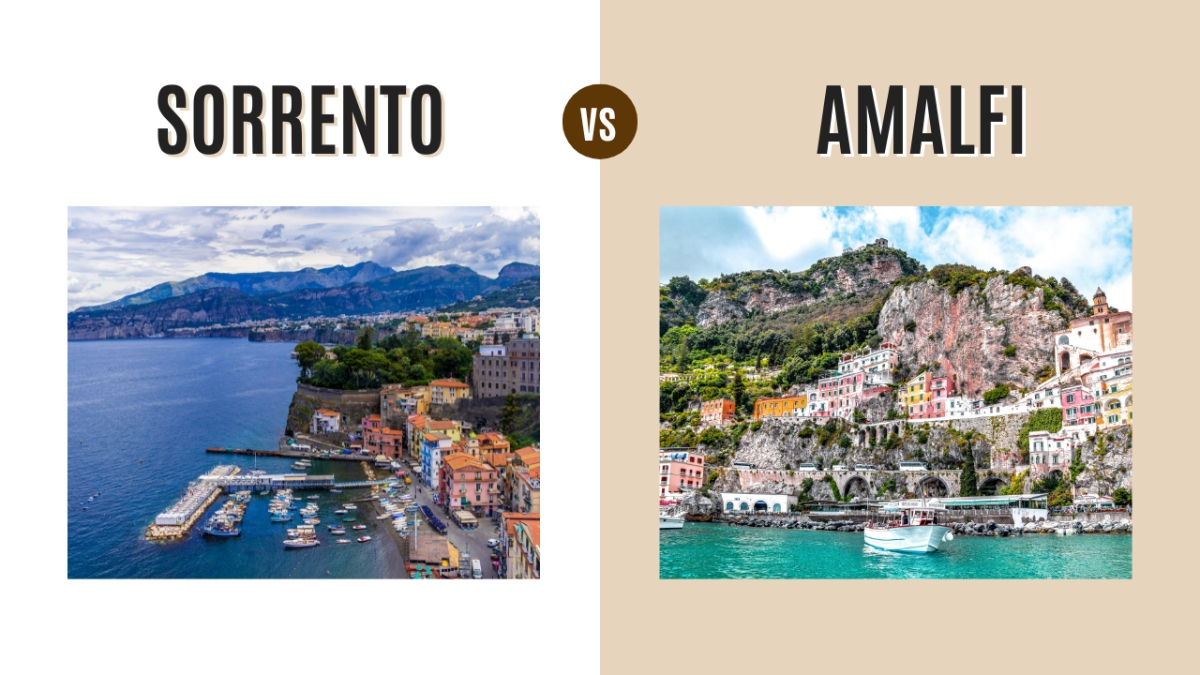
For the Sorrento and Amalfi Coast, lightweight clothing is ideal during the warmer months. Comfortable shoes are essential for navigating the steps and narrow streets. Consider bringing a swimsuit if you plan on swimming. A sun hat and sunglasses are also important.
If you’re visiting the Dolomites, pack warm layers, waterproof gear, and sturdy hiking boots, especially in winter. Be prepared for cold temperatures and potential snow. Venice requires special consideration: waterproof shoes or boots are essential, as acqua alta (high water) is a common occurrence. A small umbrella is also a good idea.
For cities like Rome and Florence, comfortable walking shoes are paramount. Layers are helpful, as the weather can be unpredictable. Consider bringing a light jacket or sweater, even in the summer, as evenings can be cool. A reusable water bottle is always a good idea.
Don't Forget These!
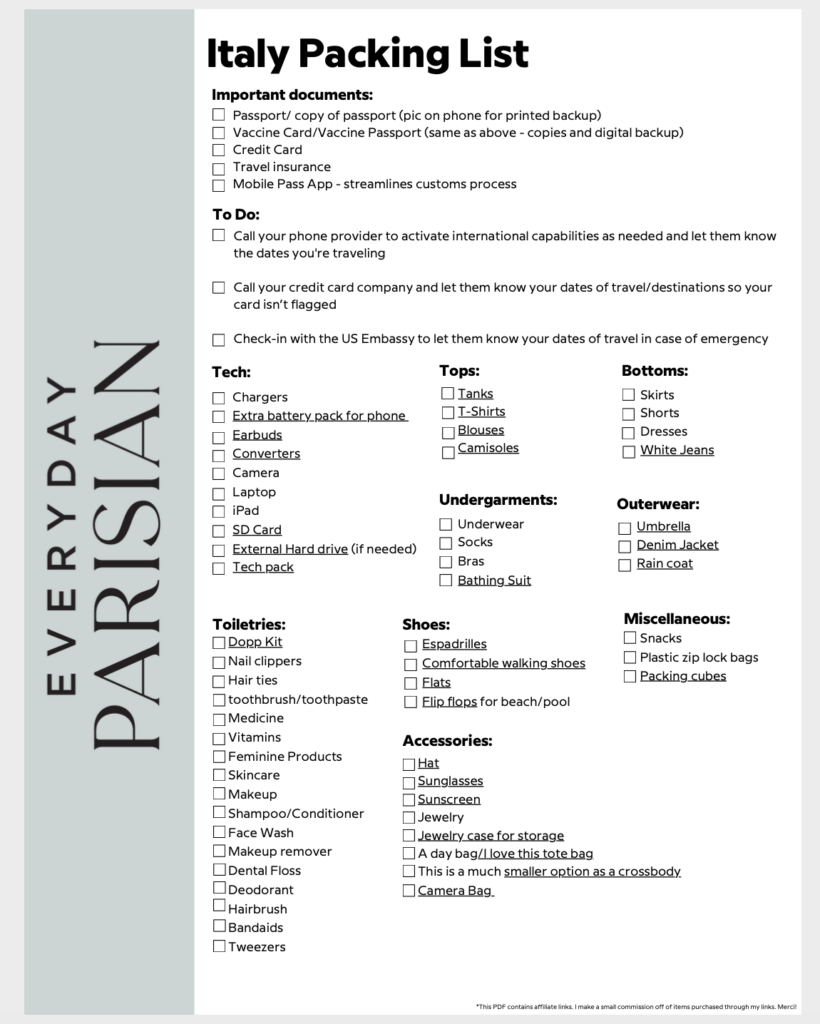
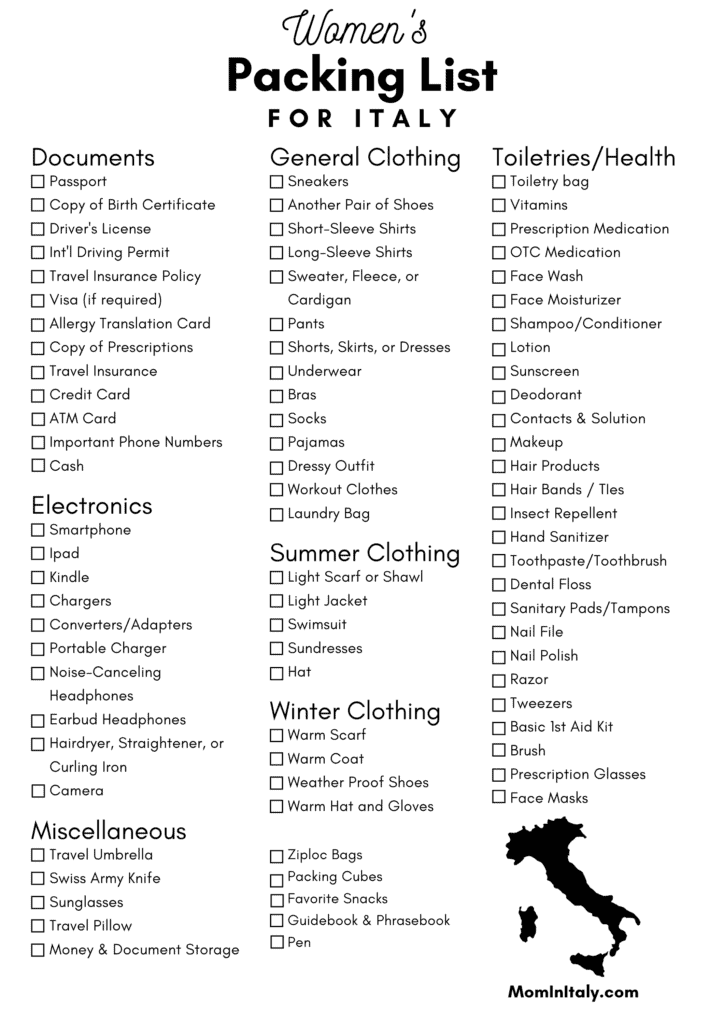
Beyond the obvious clothing items, there are a few essentials that are often overlooked. A universal adapter is crucial, as Italy uses European plug types (Type C and Type L). A portable charger will keep your devices powered up on the go.
Bring any necessary medications, along with a copy of your prescription. Travel-sized toiletries are convenient for saving space and weight. A small first-aid kit with essentials like band-aids, pain relievers, and antiseptic wipes is always a good idea.
A reusable shopping bag is handy, as many stores charge for plastic bags. And, of course, make a copy of your passport and keep it separate from the original. It’s also worth checking if your phone plan offers international roaming or if you need to purchase a local SIM card.
- Universal adapter (Type C and L)
- Portable charger
- Medications with prescription
- Travel-sized toiletries
- Small first-aid kit
- Reusable shopping bag
- Copy of passport
10 Often Overlooked Items
- Universal Adapter - Italy uses Type C, F, and L plugs. Ensure your devices are compatible or bring an adapter.
- Portable Charger - Essential for long days of sightseeing and navigating with your phone's map applications.
- Prescription Medications - Bring sufficient quantities of any prescription medications you require, along with a copy of your prescription.
- Toiletries (Travel-Sized) - While available for purchase in Italy, travel-sized toiletries are convenient and can save you time and money, especially if you have specific brands you prefer.
- First-Aid Kit - Include essentials like band-aids, antiseptic wipes, pain relievers, and any personal medical necessities.
- Reusable Shopping Bag - Many Italian stores charge for plastic bags. A reusable bag is environmentally friendly and saves you money.
- Passport Copy - Keep a digital and physical copy of your passport separate from the original. This is helpful if your passport is lost or stolen.
- Travel Insurance Details - Have your travel insurance policy number and emergency contact information readily available.
- Phrasebook/Translation App - While English is spoken in tourist areas, knowing basic Italian phrases or having a translation app like Google Translate can enhance your experience.
- Comfortable Socks - You’ll be doing a lot of walking! Pack moisture-wicking and blister-resistant socks for all-day comfort.
Packing Light: A Challenge Worth Taking
Resisting the urge to overpack is a challenge, but it’s one that will make your trip much more enjoyable. Rolling your clothes instead of folding them saves space and minimizes wrinkles. Packing cubes are incredibly helpful for organizing your luggage and compressing clothes.
Choose versatile clothing items that can be mixed and matched to create different outfits. Neutral colors are a good choice, as they can be easily paired with other items. Consider bringing clothes that can be layered to adapt to changing weather conditions.
Don’t be afraid to do laundry while you’re traveling. Many hotels offer laundry services, and there are also laundromats available in most cities. Packing a small amount of laundry detergent can also be useful. My personal strategy is to plan outfits for each day and then eliminate anything I’m not sure I’ll wear. It’s ruthless, but effective.
- Roll clothes instead of folding
- Use packing cubes
- Choose versatile clothing items
- Plan outfits in advance
- Consider doing laundry
No comments yet. Be the first to share your thoughts!