
Italy Costs in 2026: A Realistic View
Italy consistently ranks as a popular travel destination, and that popularity comes with a price tag. It’s not necessarily a "cheap" country, especially when compared to destinations in Southeast Asia or Eastern Europe, but affordability is relative, and a fantastic trip is absolutely achievable on a range of budgets. A lot depends on when you go, where you go, and how you travel. Expect higher costs in major cities and during peak season – think July and August, plus around Easter.
Regional variations are significant. Rome and Venice are notoriously expensive, driven by high tourist numbers and limited space. The Amalfi Coast, with its glamorous reputation, also demands a premium. Conversely, regions like Puglia, Basilicata, and Calabria in the south offer a more authentic Italian experience at a considerably lower cost. Even within Tuscany, you'll find Florence to be pricier than smaller towns in the countryside.
For 2026, we’re anticipating a continued, moderate increase in travel costs, largely due to inflation and increased demand. While predicting exact figures is impossible, being prepared for potential price hikes is wise. I believe a realistic approach—one that balances experiencing the best of Italy with sensible spending—is the most rewarding. This means prioritizing experiences over luxury and being open to exploring lesser-known areas.
Daily Expenses: Breaking It Down
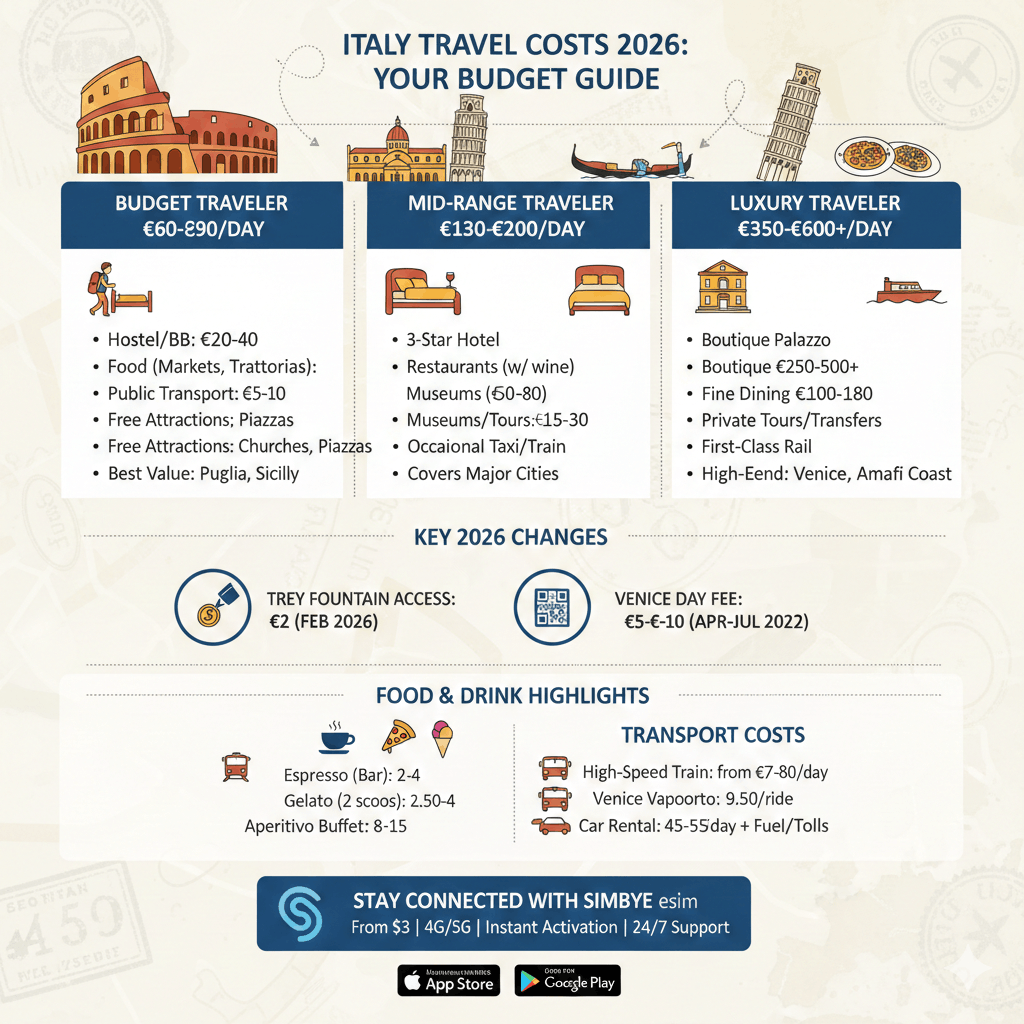
Let’s get down to specifics. Daily expenses in Italy will vary enormously depending on your travel style. I’ve broken it down into three categories: budget, mid-range, and luxury. Remember these are estimates, and your actual spending may differ.
Budget travelers (€70-€120/day) can expect to stay in hostel dorms or basic guesthouses, eat primarily at pizzerias and street food stalls, utilize public transportation extensively, and focus on free activities like walking tours and visiting churches. This means a simple pasta dish for lunch might cost around €8-12, a hostel bed €25-40, and a day pass for public transport €5-10.
Mid-range travelers (€150-€250/day) can afford private rooms in comfortable hotels or Airbnbs, enjoy meals at trattorias and osterias, take some regional train journeys, and visit a few paid attractions each day. Expect to spend around €20-35 per person for a restaurant meal, €80-150 for a hotel room, and €20-50 for train tickets between cities.
Luxury travelers (€300+/day) can indulge in high-end hotels, gourmet dining experiences, private tours, and first-class transportation. This could include a stay at a five-star hotel for €300+ per night, a multi-course meal with wine for €75+ per person, and private car transfers.
It’s worth remembering that these are averages. A day spent exploring ancient ruins will likely cost more than a day relaxing on the beach. Prioritizing what’s important to you is key to staying within your budget.
Italy Daily Travel Budget 2026 (Estimated)
| Category | Budget Traveler (€) | Mid-Range Traveler (€) | Luxury Traveler (€) |
|---|---|---|---|
| Accommodation | Hostel dorm/Basic Guesthouse: €30-€60 | 3-4 Star Hotel/Airbnb: €100-€200 | Luxury Hotel/Boutique Stay: €250+ |
| Food | Self-catering/Street Food/Simple Trattorias: €20-€40 | Mix of Trattorias, Pizzerias & some Restaurants: €50-€100 | Fine Dining & High-End Restaurants: €120+ |
| Transportation | Public Transport/Regional Trains: €10-€30 | High-Speed Trains/Some Taxis: €40-€80 | Private Transfers/Car Rental: €100+ |
| Activities | Free Walking Tours/Museums (free days)/Parks: €0-€20 | Museums, Local Tours, Cooking Classes: €30-€70 | Private Tours, Exclusive Experiences: €100+ |
| Miscellaneous | Souvenirs, Coffee, Small Expenses: €10-€20 | Shopping, Entertainment, Incidentals: €30-€50 | High-end Shopping, Entertainment: €80+ |
| Daily Total (Estimate) | €70-€170 | €250-€400 | €550+ |
Illustrative comparison based on the article research brief. Verify current pricing, limits, and product details in the official docs before relying on it.
Regional Price Differences
As mentioned earlier, Italy’s cost of travel isn't uniform. Tuscany, particularly Florence and Siena, is generally expensive due to its popularity and the concentration of Renaissance art and culture. Expect to pay a premium for accommodation and dining in these cities. Rome, as the capital, is also pricey, although you can find more affordable options if you venture outside the historical center.
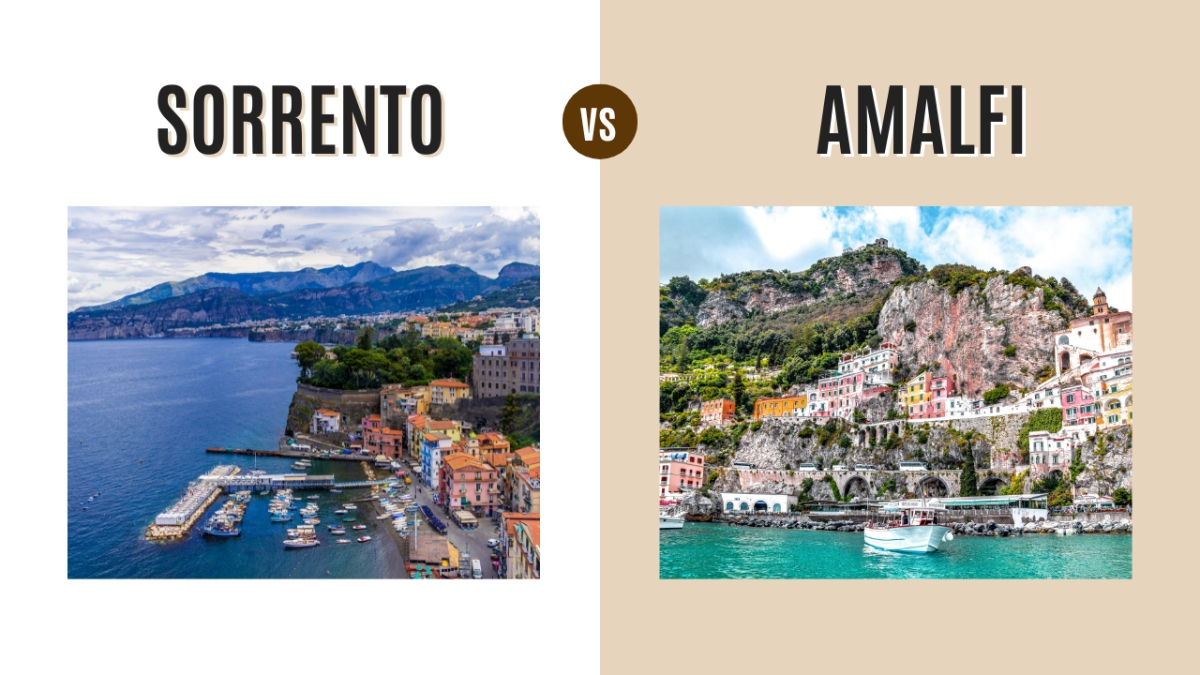
Venice is arguably the most expensive city in Italy. Its unique geography – built on a lagoon – and high tourist numbers drive up prices for everything from hotels to gondola rides. The Amalfi Coast, with its stunning scenery and glamorous resorts, is another expensive destination. Positano and Capri are particularly known for their high costs.
For a more budget-friendly experience, consider regions like Puglia in the south. Puglia offers beautiful beaches, charming towns, and delicious food at a fraction of the cost of the Amalfi Coast. Sicily is also relatively affordable, with a rich history, diverse landscapes, and excellent cuisine. Calabria, the "toe" of Italy, is even less expensive, offering a truly authentic and off-the-beaten-path experience. Even within Tuscany, exploring smaller towns like Lucca or Montepulciano can save you money compared to staying in Florence.
Transportation Costs: Getting Around
Getting around Italy can be a significant expense, but there are ways to minimize costs. Train travel is generally the most efficient and comfortable option, especially for long distances. Trenitalia and Italo are the two main high-speed train operators. Booking in advance, particularly for Frecciarossa (Trenitalia) and Italo trains, can save you a substantial amount of money. A Rome to Florence high-speed train ticket can range from €40 to €100+ depending on the class and how far in advance you book.
Regional trains are slower but much cheaper. They’re ideal for shorter distances and exploring the countryside. Buses are another affordable option, but they can be slow and crowded. Internal flights can sometimes be a good option, particularly if you’re traveling between Sicily and the mainland, but factor in airport transfers and baggage fees. I generally don’t recommend renting a car unless you plan to explore rural areas extensively, as parking can be difficult and expensive in cities.
Consider purchasing a rail pass if you plan to do a lot of train travel. However, carefully evaluate whether a pass is actually cost-effective, as point-to-point tickets are often cheaper, especially if booked in advance. Be aware of potential toll costs if renting a car, especially on motorways. Parking can also be expensive in cities, so factor that into your budget.
Food & Drink: Eating Well Without Breaking the Bank
Italian cuisine is world-famous, and enjoying the local food is a highlight of any trip. However, dining out can quickly add up. To eat well without overspending, seek out "trattorias’ and ‘osterias" – these are typically family-run restaurants that offer traditional dishes at reasonable prices. Avoid restaurants in tourist hotspots, as they tend to be overpriced and of lower quality.
Take advantage of "aperitivo" – a pre-dinner happy hour where you can enjoy drinks and snacks for a fixed price. This can be a great way to fill up before dinner. Shop at local markets for fresh produce, cheese, and bread – this is a much cheaper option than buying pre-packaged food at supermarkets. Don't underestimate the joy of a simple pizza al taglio (pizza by the slice) or a panino (sandwich) from a local bakery.
A simple pasta dish at a trattoria might cost €10-15, while a pizza could be around €8-12. A glass of house wine is typically very affordable, around €3-5. Avoid ordering bottled water in restaurants – ask for "acqua del rubinetto" (tap water), which is safe to drink and free.
Accommodation Hacks: Where to Sleep
Accommodation is often the biggest expense for travelers. Beyond traditional hotels, there are several alternative options to consider. Hostels are a great choice for budget travelers, offering dorm beds and private rooms at affordable prices. Airbnb can be a good option for longer stays or for groups, but be aware of potential cleaning fees and local regulations.
Guesthouses (pensioni) offer a more personal experience than hotels, and are often cheaper. Agriturismos (farm stays) are a unique option, particularly in rural areas. They offer accommodation, meals, and often the opportunity to participate in farm activities. Consider house-sitting or volunteering in exchange for accommodation – this can be a great way to save money and immerse yourself in local culture.
Booking in advance, especially during peak season, is essential to secure the best deals. Be flexible with your dates – traveling during the shoulder season (April-May, September-October) can save you a significant amount of money. Look for accommodations that include breakfast, as this can save you the cost of buying breakfast separately.
- Research different neighborhoods
- Read reviews carefully
- Compare prices across multiple platforms
Hidden Costs & Unexpected Expenses
It’s crucial to factor in potential hidden costs when planning your Italy trip. Many cities in Italy charge a city tax (tassa di soggiorno) per person per night, which is typically paid directly to the hotel. Baggage fees on budget airlines can add up quickly, so pack light or consider checking a bag in advance. ATM fees and credit card foreign transaction fees can also eat into your budget.
Travel insurance is essential to protect yourself against unexpected events, such as illness, injury, or lost luggage. Not all establishments in Italy accept credit cards, especially in smaller towns, so it’s a good idea to have some cash on hand. The official Italy Travel Advisory from the U.S. State Department () is a useful resource for staying informed about safety and security concerns.
Saving Strategies: Italy on a Shoestring
Traveling to Italy on a budget is entirely possible with some careful planning. Traveling during the shoulder season (April-May, September-October) offers pleasant weather and lower prices. Take advantage of free activities, such as walking tours, visiting churches, and exploring parks. Utilizing public transportation is significantly cheaper than taxis or rental cars.
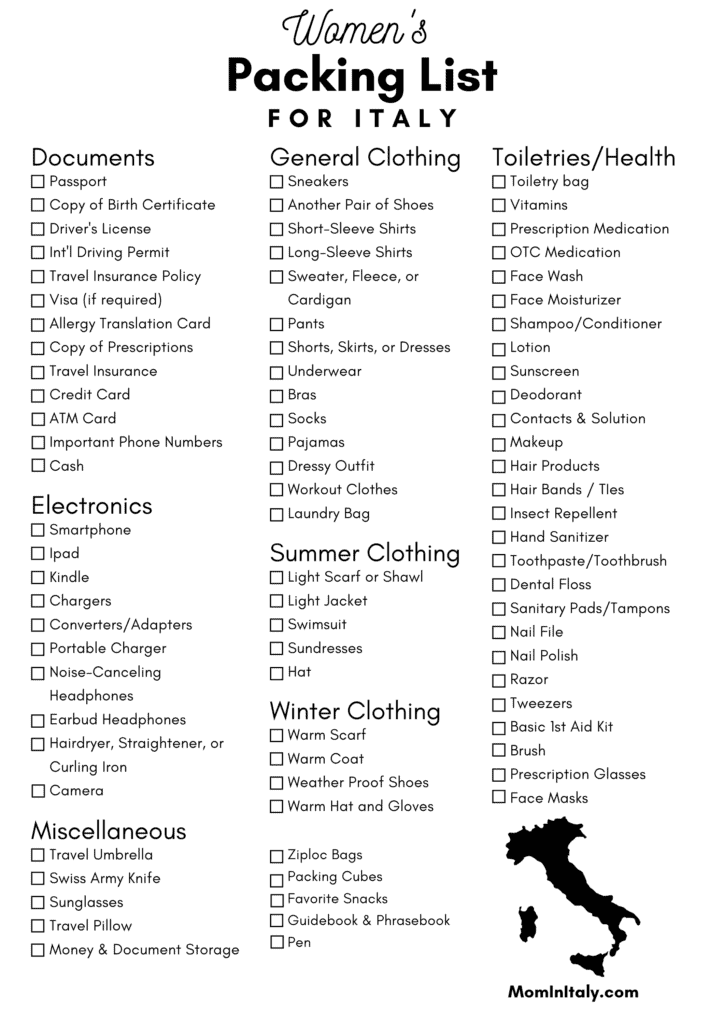
Pack light to avoid baggage fees. Learn a few basic Italian phrases – this can help you negotiate prices and connect with locals. Consider purchasing a tourist card for discounts on attractions and transportation. Look for free walking tours offered in most major cities. Don't be afraid to venture off the beaten path and explore lesser-known towns and regions.
- Eat like a local
- Embrace free activities
- Walk as much as possible
No comments yet. Be the first to share your thoughts!