

Plan your Italian route
The most common mistake travelers make in Italy is treating the country as a single loop. Italy is long, and the distances between the north, the center, and the south are deceptive. Trying to squeeze Milan, Florence, and Naples into ten days often results in spending half your holiday on high-speed trains rather than in the destinations themselves. To avoid backtracking and burnout, you need a linear geographic flow that moves logically from one region to the next.
Start in Northern Italy, typically arriving in Milan or Venice. These cities are hubs for flights and high-speed rail. From here, head south to Tuscany. The drive or train ride from Milan to Florence takes about two hours, placing you in the heart of wine country. Spend at least four to five days here to explore Florence, Siena, and the surrounding Chianti region without rushing. This central stop acts as the anchor of your trip, balancing the urban energy of the north with the slower pace of the south.
From Tuscany, move further south to the Sorrento Peninsula. The high-speed train from Florence to Naples takes roughly three hours, and Sorrento is just a short bus or ferry ride away. Sorrento serves as the perfect base for exploring the Amalfi Coast, Pompeii, and Capri. By ending your trip in the south, you can enjoy a relaxed departure from Naples International Airport, avoiding the need to travel all the way back north for your flight.
A visual map helps clarify this north-to-south progression. It highlights how each region connects via the main rail lines, ensuring you never have to double back across the country.
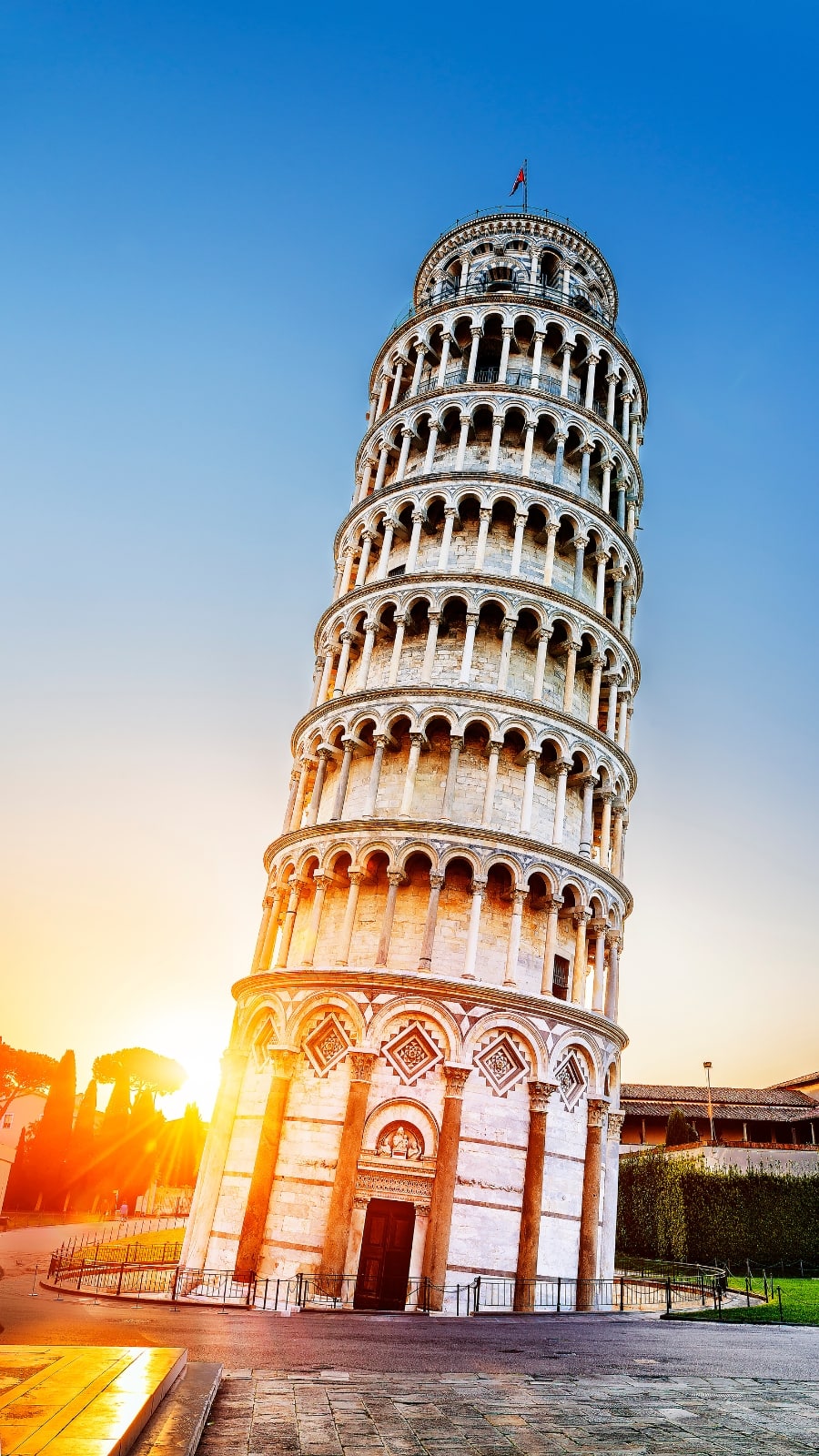
Timing your route also depends on the season. Northern Italy can be hot and humid in July and August, while the south remains pleasant but crowded. Spring and early autumn offer the best balance of weather and manageable tourist volumes for this entire route. Book your high-speed train tickets (Frecciarossa or Italo) at least a few weeks in advance for the best prices, as last-minute fares to popular destinations like Florence and Naples can be significantly higher.
What to Wear in Italy
Packing for Italy is less about following strict fashion rules and more about balancing comfort with respect for local norms. The goal is to look put-together without sacrificing the ability to walk for hours on uneven terrain. Think of your outfit as a uniform for exploration: durable enough for cobblestones, smart enough for dinner, and adaptable to changing weather.
Footwear and Cobblestones
Skip the high heels and stiff new boots. Italian cities are built on ancient stone streets that are uneven, slippery, and often cracked. Comfortable walking shoes with good grip are non-negotiable. Leather sneakers, loafers, or supportive walking sandals work well for daytime exploring. If you want to dress up for evening, pack a pair of clean, stylish leather shoes that you have already broken in. Your feet will thank you by the end of the day.
Layering for Variable Weather
Italian weather can shift quickly, especially in the shoulder seasons of spring and autumn. A layering system is your best friend. Start with a breathable base layer, add a light sweater or cardigan, and top it with a versatile jacket or trench coat. This approach allows you to adjust to indoor heating, outdoor breezes, or sudden rain showers without looking bulky. A light scarf is a multi-purpose tool that adds warmth, style, and modesty when needed.
Church Dress Codes
When visiting churches and cathedrals, modesty is required. Both men and women should cover their shoulders and knees. Avoid tank tops, short shorts, and miniskirts. Carry a lightweight pashmina or shawl in your bag; it can easily cover bare shoulders or legs if you forget to pack appropriately. This simple precaution ensures you won’t be turned away at the entrance of iconic sites like the Duomo in Florence or St. Peter’s Basilica in Rome.
Pack light for Italy
Traveling through Italy often means hauling your bags up cobblestone stairs, navigating narrow train aisles, and fitting luggage into tight overhead bins. The most effective strategy is to pack as if you are checking only a carry-on. This approach eliminates wait times at baggage claim and gives you the freedom to move between cities like Rome, Florence, and Venice without the burden of heavy suitcases.
Start with versatile clothing that mixes and matches easily. Choose neutral tones that coordinate well, allowing you to create multiple outfits from just a few items. Fabrics like merino wool or lightweight synthetics are ideal because they resist odors and dry quickly, reducing the need for frequent laundry. Since Italian summers can be hot and humid, pack breathable layers that can be added or removed as you move from sun-drenched piazzas to air-conditioned museums.
Footwear is the most critical element of your packing list. You will walk miles each day, often on uneven surfaces, so prioritize comfortable, broken-in walking shoes or sneakers. Avoid bringing new shoes that might cause blisters. For evenings, a single pair of stylish but comfortable sandals or loafers will suffice for most dinners and casual outings.
Train travel in Italy is efficient, but space is limited. High-speed Frecciarossa and Italo trains have small luggage racks, and regional trains may have no dedicated space at all. Keeping your bag small ensures you can stow it quickly and securely. If you are staying in historic boutique hotels or vacation rentals, remember that many lack elevators, making light packing a necessity rather than a luxury.
A small daypack is essential for daily excursions. It should be compact enough to store under your seat on a train or in a restaurant corner while you enjoy a meal. Use packing cubes to compress your clothing and keep your belongings organized within a single carry-on suitcase or a travel backpack. This organization makes it easier to find items without unpacking everything.
Consider the laundry option early in your trip. Most hotels and hostels offer laundry services, and self-service laundromas are common in larger cities. Washing a few items mid-trip allows you to pack even lighter, freeing up space for souvenirs or additional clothing if needed.
By focusing on versatility and comfort, you can travel through Italy with ease. Light packing reduces stress, saves time, and allows you to focus on the experiences rather than your luggage. Remember, you can always buy essentials if you forget something, but you cannot easily lighten a heavy bag once you are on the road.
Northern Italy: Lakes, Art, and Alpine Routes
Northern Italy offers a distinct contrast to the Mediterranean warmth of the south, defined by the dramatic peaks of the Alps and the intricate waterways of the Veneto. This region is the gateway to Renaissance masterpieces in Milan and the unique, car-free labyrinth of Venice. For travelers seeking a structured itinerary, the area is best navigated via the efficient rail network that connects major hubs, allowing for seamless transitions between urban culture and natural scenery.
The Lakes and Alpine Scenery
The pre-Alpine lakes—Como, Garda, and Maggiore—provide a scenic backdrop for relaxation and outdoor activity. Lake Como is famous for its villas and steep hillsides, while Lake Garda offers more wind for sailing and a broader range of towns. Accessing these areas is straightforward from Milan or Verona, with train and bus connections running frequently. The best time to visit is late spring or early autumn to avoid the peak summer crowds and high humidity, ensuring comfortable conditions for hiking and boat tours.
Venice: Beyond the Grand Canal
Venice requires a different pacing. The city’s layout is pedestrian-only, making it essential to wander away from the main tourist thoroughfares to find authentic atmosphere. The Ducal Palace and St. Mark’s Basilica are architectural highlights, but the true experience lies in the quieter sestieri (districts) like Dorsoduro. Visitors should book tickets for major attractions in advance to bypass long lines. The vaporetto (water bus) system is the primary transport method, and a multi-day pass often pays for itself if you plan to explore the outer islands of Murano and Burano.
Milan: Renaissance and Modern Design
Milan serves as Italy’s financial and fashion capital, but it also holds significant historical weight. The Duomo di Milano, a Gothic cathedral that dominates the skyline, offers panoramic views from its terraces. Just a short walk away, the Galleria Vittorio Emanuele II is a stunning 19th-century shopping arcade. For art lovers, Leonardo da Vinci’s The Last Supper is housed in the Convent of Santa Maria delle Grazie; reservations are mandatory and should be made months in advance. The city blends Renaissance heritage with modern design, making it a compelling stop for those interested in both history and contemporary culture.
Experience Tuscany
Tuscany is less a list of sights and more a rhythm. The region rewards slow travel: unhurried mornings in Florence, afternoons lost in vineyards, and evenings spent watching light fade over rolling hills. To experience it fully, you need a practical approach that balances iconic art with the countryside’s quiet allure.
Florence’s Artistic Core
Start in Florence to anchor your trip in Renaissance history. The Uffizi Gallery and Accademia Gallery house masterpieces that define Western art, but crowds are intense. Visit first thing in the morning or book timed slots weeks in advance to avoid wasting hours in line. Beyond the major museums, wander the Oltrarno district to see artisans at work and find a quieter perspective on the city’s architecture. A day here feels dense, so prioritize two or three key sites rather than trying to see everything.
Countryside Vineyards and Val d’Orcia
Leave the city behind to explore the Val d’Orcia, a UNESCO World Heritage site known for its cypress-lined roads and medieval hill towns. This is the heart of Tuscan slow travel. Rent a car or join a small-group tour to visit wineries in Chianti Classico or Montalcino. Tastings here are often accompanied by local cheeses and cured meats, offering a genuine taste of the region’s agricultural heritage. Spend an afternoon in Pienza or Montepulciano, towns that feel frozen in time, where you can hike the trails around the hills before returning to your agriturismo for dinner.
Practical Timing and Costs
The best time to visit Tuscany is during the shoulder seasons of April–May and September–October. The weather is mild, suitable for walking and outdoor dining, and the harvest season in autumn adds a festive atmosphere to the vineyards. Summer brings heat and crowds, while winter sees many rural businesses close. Costs vary significantly; Florence is pricey for accommodation, but staying in rural agriturismi offers better value and a more authentic experience. Budget for museum tickets in Florence (around €20–€25 each) and wine tastings (€10–€20 per person), which are generally affordable compared to Northern European cities.
Visit Sorrento and the Coast
Italy Travel works best as a clear sequence: define the constraint, compare the realistic options, test the tradeoff, and choose the path with the fewest hidden costs. That order keeps the advice usable instead of decorative. After each step, pause long enough to check whether the recommendation still fits the reader's actual situation. If it depends on perfect timing, unusual access, or a best-case budget, include a simpler fallback.
The simplest way to use this section is to write down the real constraint first, compare each option against it, and choose the path that still works outside ideal conditions.
Italy travel tips
Planning a trip through Tuscany, Sorrento, and Northern Italy requires balancing ambition with local rhythms. Italian tourism is dense, and trying to squeeze too much into a short window often leads to burnout rather than enjoyment. The most effective strategy is to prioritize fewer locations and spend more time there.
Italy’s high-speed rail network connects major hubs like Florence, Rome, and Venice efficiently. Tickets for Frecciarossa or Italo trains are dynamic; prices rise as departure nears. Booking two to three months in advance can save significant money. Always validate your ticket at the green machine on the platform if it is a paper ticket, though e-tickets are now standard and require no validation.
Dining is a cornerstone of the Italian experience, but popular spots in tourist-heavy areas often book up weeks in advance. This is especially true for dinner service in cities like Florence or coastal towns in Sorrento. Use platforms like TheFork or call directly. If you walk in without a reservation during peak hours, expect long waits or limited menus.
Avoid restaurants with pictorial menus or staff standing outside aggressively inviting you in. These are often marked by inflated prices and mediocre food. Stick to places where locals eat, typically indicated by handwritten menus in Italian or a lack of English translations. Similarly, be cautious of "free" bracelets or rose petals offered on the street; these often come with an unexpected demand for payment.
-
Book high-speed train tickets for inter-city travel
-
Reserve tables for popular dinner spots
-
Purchase local SIM card or verify eSIM compatibility
-
Check if your hotel charges a city tax payable in cash
-
Download offline maps for areas with spotty signal
Traveling slowly allows you to absorb the culture rather than just sightseeing it. As one long-term resident advises, "Do less. See less. Slow down. Savor more." This approach not only reduces travel fatigue but also opens up opportunities for spontaneous interactions with locals, which are often the most memorable parts of the journey.
Italy travel guide: frequently asked: what to check next
Planning a trip through Tuscany, Sorrento, and Northern Italy requires navigating distinct regional rhythms. Below are the most common questions regarding safety, costs, and timing to help you structure your itinerary.
Is Italy safe for tourists?
Italy is generally safe for travelers, but petty theft like pickpocketing is common in crowded hubs such as Rome’s Termini station or Florence’s Duomo area. Stay alert in tourist-heavy zones and keep valuables secure. Violent crime against tourists is rare. For up-to-date safety advisories, consult the Rick Steves Europe travel guide or your government’s travel website.
When is the best time to visit Italy?
The best months are April to June and September to October. These shoulder seasons offer mild weather and fewer crowds compared to the peak summer heat of July and August. Northern Italy, including Milan and the Dolomites, can be cold in winter, while Sorrento and Tuscany remain pleasant year-round, though some coastal services reduce hours in winter.
How much does a trip to Italy cost?
Costs vary significantly by region. Northern Italy and major cities like Milan are more expensive, while Tuscany’s rural areas and Southern regions like Sorrento offer better value. Budget travelers can manage on €50-€70 per day excluding accommodation, while mid-range travelers should expect €100-€150 daily. Accommodation and dining in tourist hotspots like Florence or Venice command premium prices.
Do I need a car to explore Tuscany and Sorrento?
A car is highly recommended for exploring Tuscany’s countryside, vineyards, and small hill towns not served by direct trains. However, avoid driving in historic city centers where traffic is restricted. In Sorrento and the Amalfi Coast, public buses and ferries are efficient and avoid the stress of narrow, winding coastal roads.
What should I pack for Italy?
Pack comfortable walking shoes, as Italian cities are paved with cobblestones. Layers are essential due to variable weather, especially in Northern Italy. Bring a light jacket for cooler evenings and a scarf for visiting religious sites like churches and cathedrals, which require modest dress (covered shoulders and knees).
No comments yet. Be the first to share your thoughts!