
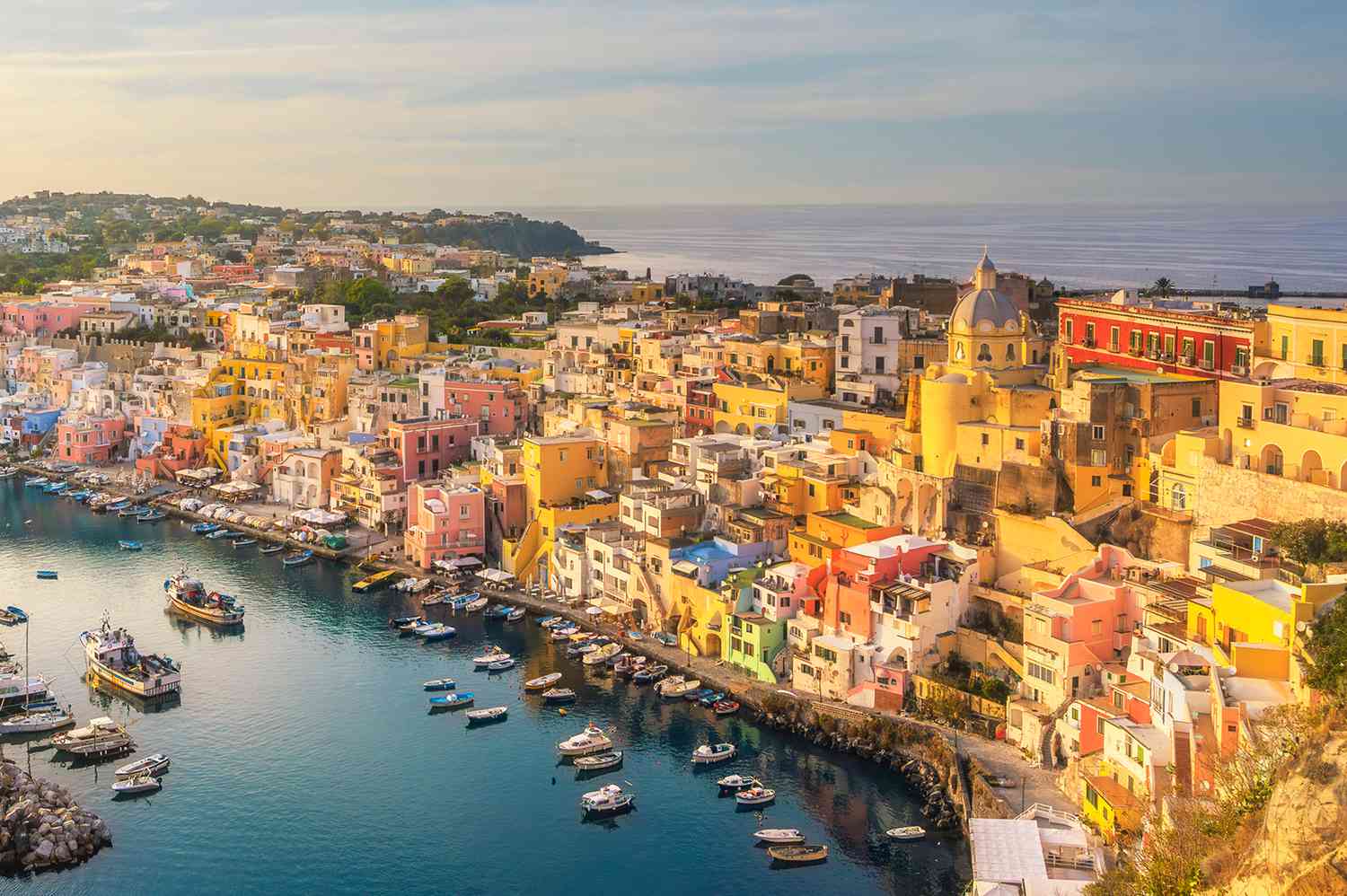

Plan your Italy trip around the seasons
The weather in Italy shifts dramatically depending on where you are and when you visit. Because your itinerary spans three distinct climates—Tuscany’s inland hills, Sorrento’s coastal warmth, and Northern Italy’s alpine chill—your packing list needs to be as flexible as the landscape itself. Treating these regions as a single climate zone is a common mistake that leaves travelers unprepared for sudden temperature drops or unexpected rain.
In Tuscany, the landscape is defined by rolling hills and dry summers. Spring brings mild days perfect for cycling through vineyards, while autumn offers golden light and harvest festivals. Summers can be intensely hot, especially in Florence, where the stone architecture traps heat. You’ll need breathable linens and a light jacket for cooler evenings. The region’s microclimates mean a sunny afternoon in Siena can turn brisk by sunset.
Sorrento and the Amalfi Coast enjoy a Mediterranean climate that stays mild year-round. Even in winter, daytime temperatures often remain comfortable for walking the cliffs. Summer here is busy and humid, with sea breezes providing relief. Pack swimwear alongside light layers, as the water stays cool enough for a refreshing dip even when the air is warm. Rain is less frequent here than in the north, but sudden showers can occur in spring and autumn.
Northern Italy, including Milan and the Dolomites, experiences four distinct seasons with colder winters. Snow is common in the mountains from November to March, requiring sturdy boots and wool layers. Cities like Milan are fashion-forward but practical; waterproof shoes are essential during the rainy seasons of spring and autumn. Summer in the north can be humid and hot, particularly in the Po Valley, so ventilation matters more than in the south.
To help you visualize the temperature ranges, here are the average high temperatures in peak summer for key cities in each region:
These numbers highlight why layering is your best strategy. A single
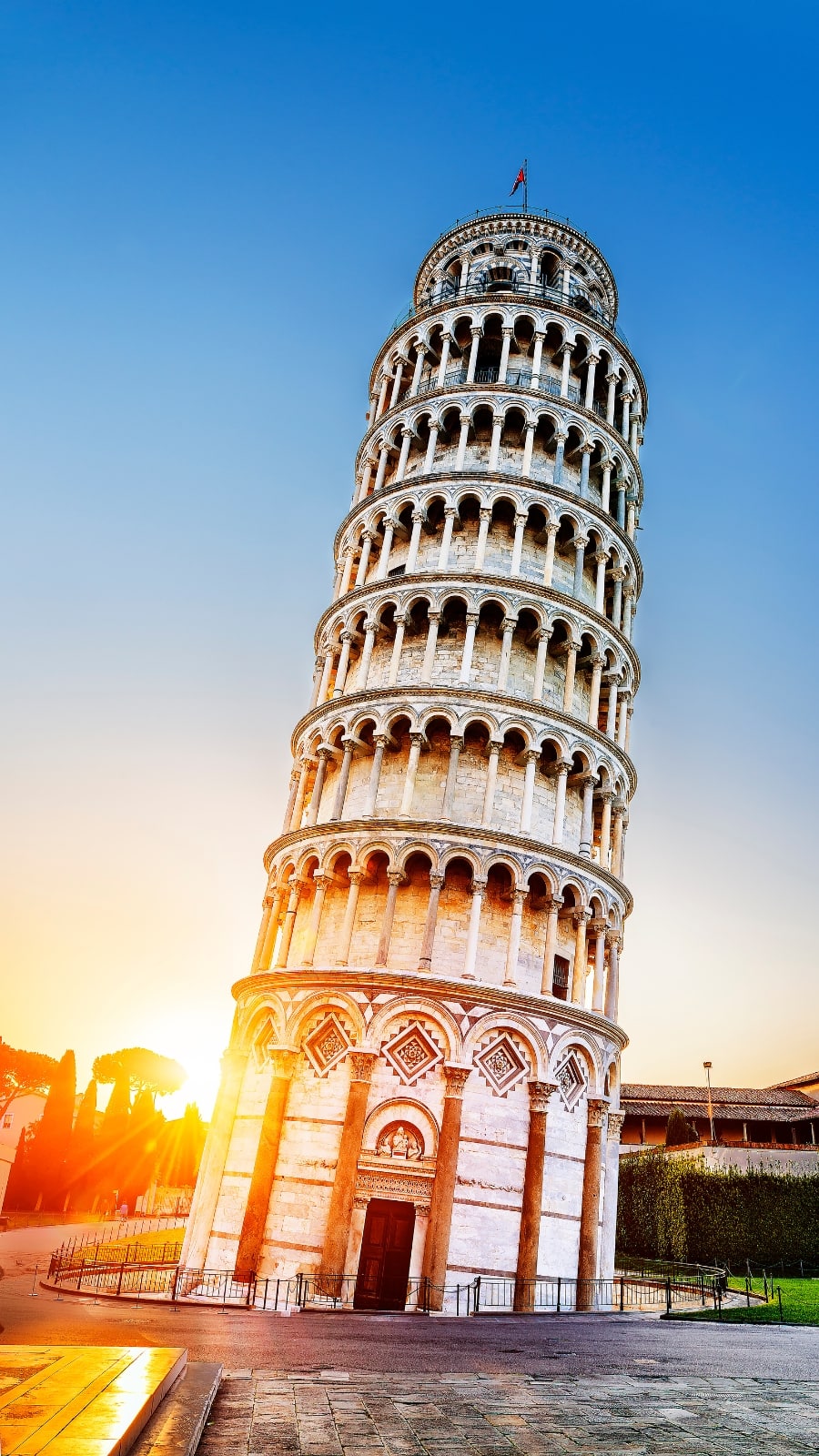
might capture the beauty of one region, but your wardrobe must cover them all. Start with a base of versatile, mix-and-match pieces that can be layered or stripped back as you move between the cool north and the warm south.
Pack light for trains and cobblestones
Italy Travel works best as a clear sequence: define the constraint, compare the realistic options, test the tradeoff, and choose the path with the fewest hidden costs. That order keeps the advice usable instead of decorative. After each step, pause long enough to check whether the recommendation still fits the reader's actual situation. If it depends on perfect timing, unusual access, or a best-case budget, include a simpler fallback.
The simplest way to use this section is to write down the real constraint first, compare each option against it, and choose the path that still works outside ideal conditions.
Dress codes for churches and cities
Italy Travel works best as a clear sequence: define the constraint, compare the realistic options, test the tradeoff, and choose the path with the fewest hidden costs. That order keeps the advice usable instead of decorative. After each step, pause long enough to check whether the recommendation still fits the reader's actual situation. If it depends on perfect timing, unusual access, or a best-case budget, include a simpler fallback.
The simplest way to use this section is to write down the real constraint first, compare each option against it, and choose the path that still works outside ideal conditions.
Packing for Italy’s Three Distinct Climates
An Italy travel guide must account for the fact that packing for Tuscany is not the same as packing for Sorrento or Northern Italy. While the country shares a Mediterranean soul, the physical geography creates three very different weather patterns that dictate your wardrobe. Treating Italy as a single climate zone is the most common mistake travelers make, leading to suitcases full of ill-fitting clothes.
Tuscany: The Temperate Middle
Tuscany sits in the center of the peninsula, buffered by the Apennine Mountains. The climate is generally mild but can swing sharply between day and night, especially in spring and autumn. Mornings often start crisp, requiring a light jacket or sweater, while afternoons can warm up significantly if the sun breaks through.
Pack layers that breathe. A linen shirt or cotton blouse paired with a light cardigan or denim jacket works well for Florence and the Chianti region. You will want comfortable walking shoes for cobblestone streets, as heavy boots are unnecessary unless you are hiking in the hills. Rain is possible year-round, so a compact umbrella or a water-resistant shell is a smart addition to your carry-on.
Sorrento: The Coastal Heat
Sorrento and the Amalfi Coast offer a completely different experience. The air is humid, and the sun is intense, reflecting off the sea and the white stone buildings. Here, you are packing for a resort-like environment rather than a rugged countryside exploration. Breathability is your primary concern.
Choose lightweight, loose-fitting clothing in light colors to reflect the heat. Linen trousers, maxi dresses, and short-sleeved shirts are staples. Swimwear is essential, but remember that many beaches require a cover-up when walking through town. Footwear should be easy to slip on and off, as you will likely transition from a boat to a beach chair to a seaside restaurant throughout the day. Avoid heavy fabrics like denim or wool, which become unbearable in the coastal humidity.
Northern Italy: The Alpine Chill
Northern Italy, including cities like Milan, Venice, and the areas around Lake Como, feels distinctly different from the south. The Alps act as a barrier, keeping the air cooler and the winds sharper. Even in summer, evenings can turn chilly, and in spring or autumn, rain is frequent and cold.
Your packing list for the north should prioritize warmth and wind protection. A medium-weight coat, scarves, and closed-toe shoes are non-negotiable. In Venice, you will walk on wet stone and bridges where wind tunnels can make the temperature feel lower than the thermometer suggests. Layering is key here, as indoor heating can be inconsistent in older buildings, making a warm sweater or fleece useful for evenings. If you are visiting in winter, pack thermal layers and waterproof boots, as the region can be damp and cold.
What to pack for Italy
Packing for Italy is less about volume and more about versatility. Your suitcase needs to handle the scorching heat of Tuscan hills, the cool breezes of Northern lakes, and the strict dress codes of historic churches. The goal is to move light so you can navigate cobblestone streets and crowded trains without dragging a heavy bag.
Start with footwear. You will walk miles every day, often on uneven surfaces. Leave the high heels and stiff new sneakers at home. Instead, pack two pairs of broken-in walking shoes: one breathable pair for summer days and one slightly more supportive pair for longer hikes or cooler evenings. Comfort is the single most important factor in enjoying your itinerary.
Clothing should be layered and mix-and-match. Choose neutral colors like navy, black, or beige that can be dressed up with a scarf or jewelry. A lightweight cardigan or pashmina is essential; it serves as a warm layer on flights, a cover-up for church visits where shoulders and knees must be covered, and a stylish accessory for dinner. Natural fabrics like linen and cotton breathe better in the Mediterranean climate than synthetics.
Finally, don’t forget the small practicalities. A reusable water bottle is crucial since tap water is safe and free in most cities, often available from public fountains. A compact daypack keeps your hands free for souvenirs and maps. With these essentials, your luggage stays light, and your focus stays on the experience.
-
Broken-in walking shoes (2 pairs)
-
Lightweight cardigan or pashmina
-
Mix-and-match neutral clothing
-
Reusable water bottle
-
Compact daypack for daily excursions
No comments yet. Be the first to share your thoughts!