

Plan a slow route through Tuscany and Sorrento
Italy rewards travelers who move at the speed of the landscape rather than the clock. The country’s geography naturally divides into distinct regions, and trying to cram both the rolling hills of Tuscany and the coastal cliffs of Sorrento into a single frantic week usually results in missed moments and travel fatigue. Instead, treat these two areas as separate chapters in your itinerary, connected by a deliberate journey that respects the distance between them.
Tuscany is best explored from a central base, such as Florence or Siena, allowing you to day-trip into the Val d’Orcia or Chianti without unpacking and repacking daily luggage. This region demands time for its museums, vineyards, and medieval towns. Once you have absorbed the art and architecture, you are ready to head south. The journey from Tuscany to Sorrento is not merely a transit step; it is a transition from the green, hilly interior to the bright, dramatic coastline of Campania.
The most practical way to bridge this gap is by high-speed train. Services like Frecciarossa connect major hubs such as Florence or Rome to Naples in just a few hours. From Naples, a short regional train or the Circumvesuviana line takes you directly into Sorrento. This route is efficient and avoids the stress of driving on unfamiliar Italian roads. Trains between each city were very easy, with stations conveniently located in city centers, making the logistics straightforward if you pay attention to the departure boards.
Allowing three to four days for Tuscany and three to four days for Sorrento provides a balanced rhythm. This pace gives you room to sit in a piazza, watch the light change over the terracotta roofs, and enjoy meals without rushing. By structuring your trip this way, you avoid the burnout of a "checklist" vacation and instead build a narrative of discovery. The distance between these regions is significant, so giving each its own dedicated space ensures you experience the unique character of both the Tuscan countryside and the Amalfi Coast.
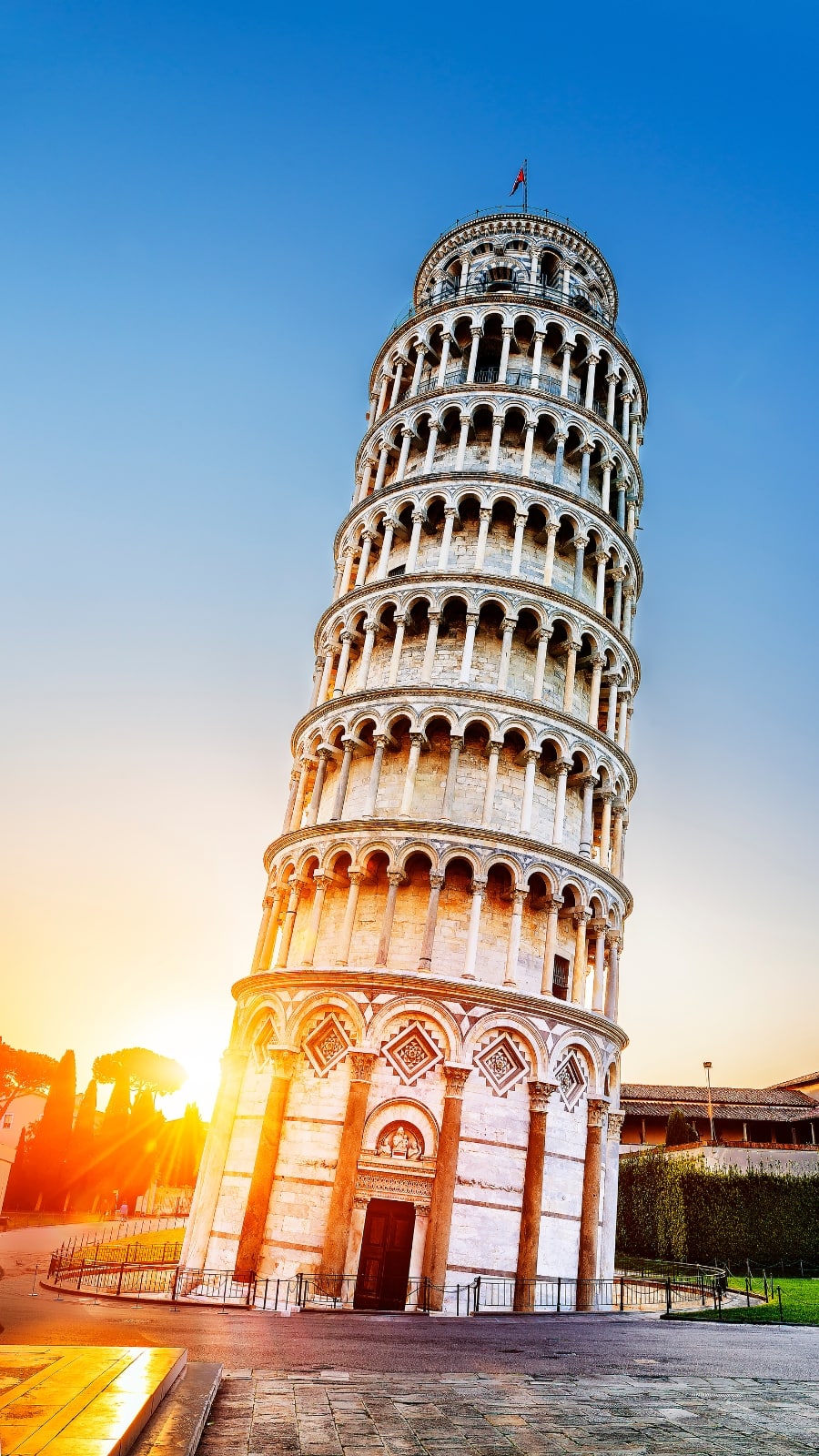
What to wear in Italy for spring and fall
Spring and fall in Italy offer pleasant weather but unpredictable shifts. You will likely encounter warm afternoons and cool evenings, sometimes within the same day. The goal is to look put-together while staying comfortable for long walks on cobblestones.
The Italian concept of la bella figura matters here. It means making a good impression through appearance. Locals dress neatly even for casual outings. Avoid athletic wear, stained t-shirts, or overly baggy clothes when visiting restaurants or churches.
The Layering Strategy
Pack layers that you can add or remove easily. A light sweater, cardigan, or denim jacket works well over a simple blouse or button-down shirt. These pieces look polished but keep you warm when the temperature drops.
Footwear is the most critical choice. Choose leather sneakers, loafers, or stylish ankle boots with good support. You will walk miles on uneven stone streets. Heavy hiking boots or flip-flops stand out as tourist markers and hurt your feet.
Seasonal Essentials
In spring, bring a compact umbrella and a light trench coat. Rain showers are common in March and April. In fall, a wool-blend coat and scarf provide warmth without bulk. Neutral colors like navy, beige, and black mix easily with any outfit.
Accessories should be minimal but intentional. A silk scarf or a structured bag adds polish. Avoid large backpacks; use a crossbody bag to keep your hands free and your silhouette sleek. This balance of comfort and style helps you blend in while exploring cities like Tuscany or Sorrento.
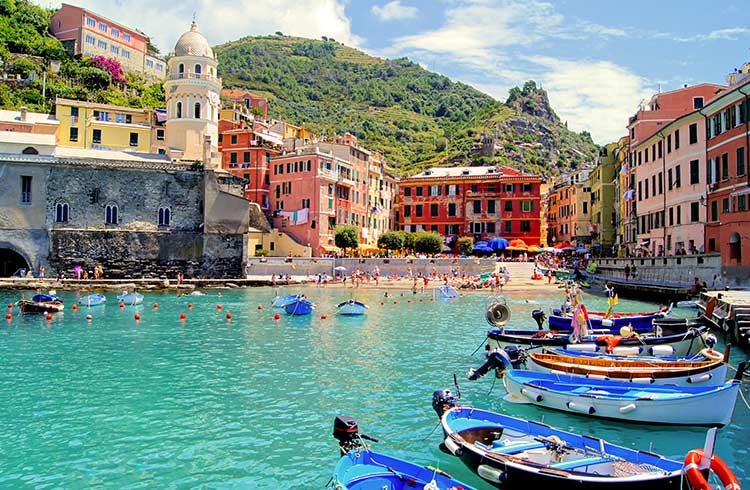
Pack light for Italian trains and hotels
Italy Travel works best as a clear sequence: define the constraint, compare the realistic options, test the tradeoff, and choose the path with the fewest hidden costs. That order keeps the advice usable instead of decorative. After each step, pause long enough to check whether the recommendation still fits the reader's actual situation. If it depends on perfect timing, unusual access, or a best-case budget, include a simpler fallback.
The simplest way to use this section is to write down the real constraint first, compare each option against it, and choose the path that still works outside ideal conditions.
Navigate Italian train stations and tickets
The easiest mistake with Italy Travel is letting one attractive listing reset your standards. Compare total cost, seller history, return policy, condition, availability, and long-term upkeep before treating a discount as a win. Do not move forward when the seller is vague about what is included, how delivery works, or what happens if the item arrives in worse condition than promised. Those gaps are usually where the real cost appears.
The simplest way to use this section is to verify the seller, compare the total cost, and resolve the biggest risk before you commit.
Respect local dining hours and customs
Italian meals follow a specific rhythm that differs significantly from the all-day grazing or early dinner habits common in many other countries. Trying to eat outside these windows often results in closed kitchens or a noticeable lack of hospitality. Lunch typically runs from 12:30 PM to 2:30 PM, while dinner service begins late, usually between 7:30 PM and 8:30 PM. Many restaurants do not open their doors for dinner until 8:00 PM, and arriving at 6:00 PM is considered too early. If you arrive during the gap between lunch and dinner service, look for a bar or pizzeria al taglio for quick, affordable slices of pizza or panini that are available throughout the day.
Coffee etiquette in Italy is equally structured. An espresso is a quick, standing drink at the bar counter, not a large, lingering beverage. Adding milk to an espresso after 11 AM is generally frowned upon, as milk is reserved for breakfast. If you order a "caffè," you will receive a small, strong espresso. Ordering a "caffè macchiato" means the espresso is lightly stained with a dollop of hot milk foam. Avoid ordering a cappuccino after lunch or dinner; locals view milk as a breakfast item, and ordering one with a meal can mark you immediately as a tourist.
Tipping (coperto) is built into the bill. You will see a charge of €1–€3 per person labeled as a cover charge for bread and table service. This is standard and expected. Additional tipping is not mandatory. If the service was exceptional, leaving a few euros on the table is appreciated but not required. Unlike in the United States, waiters do not rely on tips for their livelihood. Forcing a large tip can sometimes be seen as awkward or unnecessary. Simply round up the bill or leave small change if you wish to show gratitude.
Checklist for your Italy trip
Tuscany’s rolling hills and Sorrento’s coastal cliffs demand a light but precise packing strategy. Focus on versatile layers for unpredictable weather and comfortable walking shoes for cobblestone streets. Avoid overpacking; you’ll be moving frequently between cities and smaller towns.
Before you depart, verify your train reservations and hotel confirmations. Italy’s high-speed rail network is efficient, but tickets must be purchased in advance for popular routes. Keep digital and physical copies of your passport and travel insurance documents accessible.
-
Pack comfortable walking shoes for cobblestones
-
Bring light layers for variable weather
-
Download offline maps for Tuscany and Sorrento
-
Confirm high-speed train reservations
-
Check passport validity (6+ months)
-
Purchase comprehensive travel insurance
No comments yet. Be the first to share your thoughts!