

Map your route before booking
Planning an Italy itinerary requires more than picking favorite cities; it demands a logical geographic flow. Italy is long and narrow, with mountains running down the spine and limited high-speed rail connections crossing the country east-to-west. Trying to zigzag between disjointed regions turns travel days into wasted hours, leaving less time for the actual experience.
The most efficient strategy is to move in one direction, typically north to south or vice versa. This linear approach minimizes backtracking and keeps transit times predictable. You can anchor yourself in a few key hubs rather than changing hotels every night. Limiting yourself to three or four bases for a ten-day trip prevents you from spending half your vacation on trains.
Start in the north with Milan or Venice, then head down to Florence and Rome. From there, you can branch out to day trips or continue south to Naples and the Amalfi Coast. This path follows the high-speed rail line, making connections fast and reliable. It also lets you experience the distinct cultural shifts from the industrial north to the historic center and the coastal south.
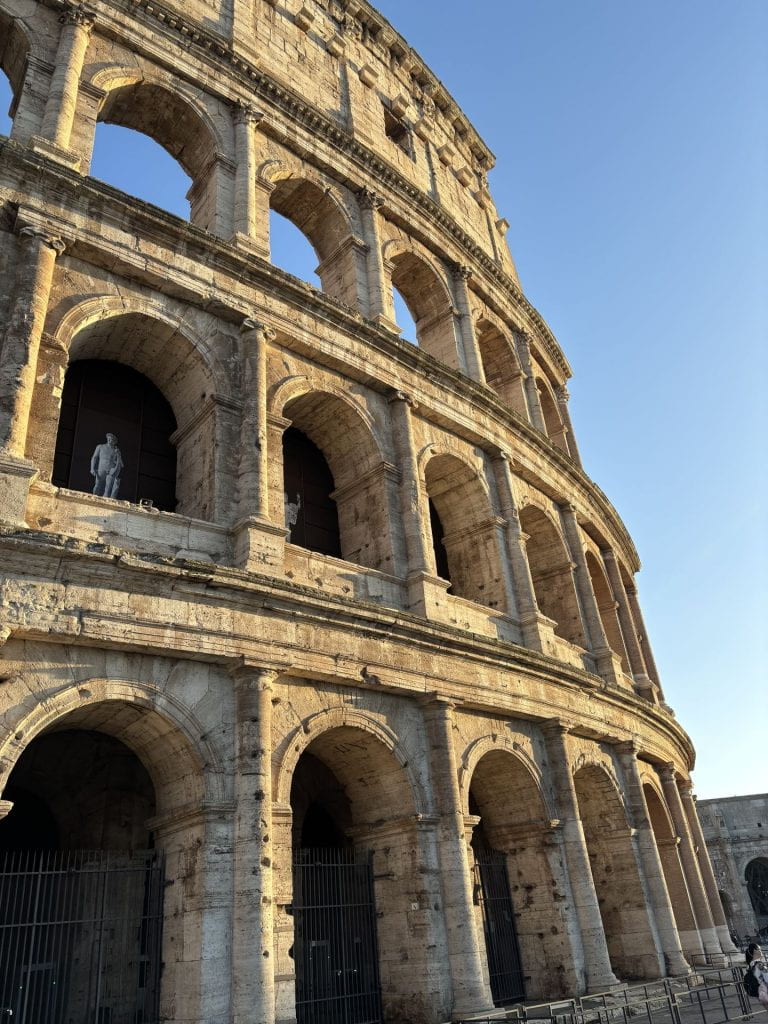
Choose your entry and exit cities based on flight availability. Most travelers enter Milan or Rome and exit from a different city to avoid backtracking. This defines the overall direction of your route.

Cluster cities that are close to each other. For example, pair Florence with Tuscany or Rome with Pompeii. This reduces daily transit time and allows for a more relaxed pace. Avoid jumping between distant regions like the Dolomites and Sicily in the same week.
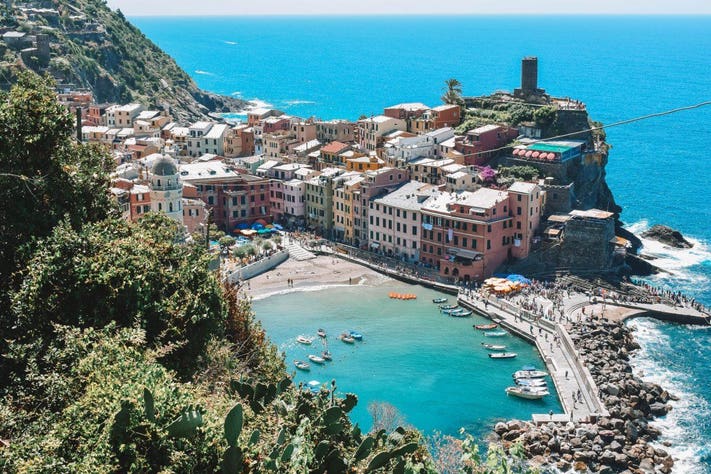
Verify train schedules between your chosen hubs. Italy’s Frecciarossa and Italo trains connect major cities efficiently. Booking these in advance often yields better prices and guarantees seats during peak season.
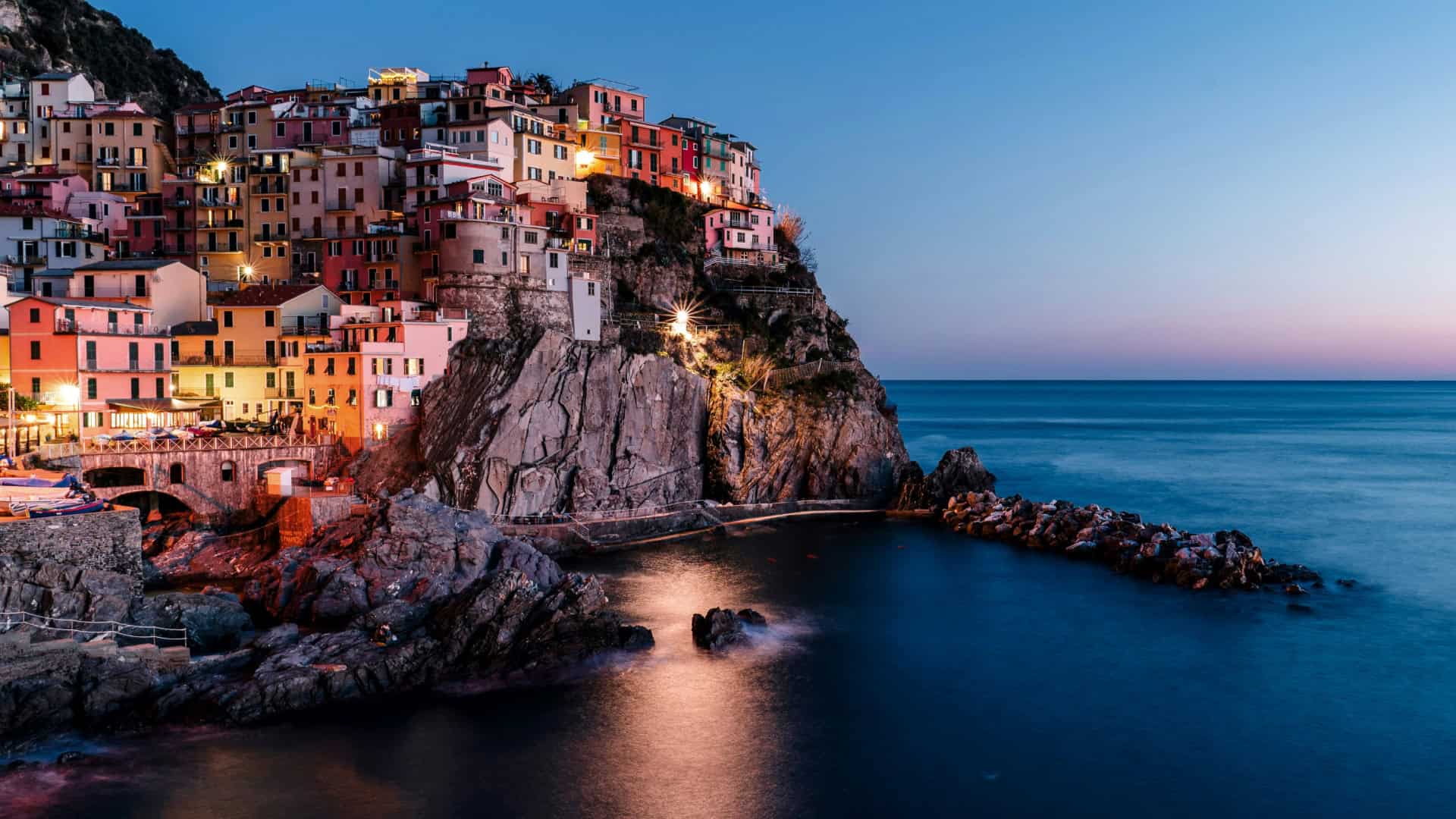
Leave gaps between major cities for day trips or unexpected delays. If you plan to visit Cinque Terre, base yourself in La Spezia or Genoa rather than trying to squeeze it into a tight Rome-to-Florence schedule. This flexibility reduces stress and allows for spontaneous discoveries.
As travel expert Laura Itzkowitz notes, the best way to experience Italy is to slow down and savor more. If your list of must-see places is ten items long, cut it in half and spend more time in each destination. This approach transforms a rushed checklist into a meaningful journey, allowing you to truly absorb the local culture and atmosphere.
Pack for climate and culture
Packing for Italy requires balancing two distinct demands: the country’s sharply varied microclimates and its deeply ingrained social codes. The weather shifts dramatically from the humid, hot summers of the south to the crisp, unpredictable springs of the north, while cultural expectations remain consistent nationwide. You are not just packing for the forecast; you are packing for respect.
Start with your footwear. Italy’s historic centers are paved with cobblestones (sampietrini), which are unforgiving to heels or stiff new soles. You will walk miles daily, often on uneven surfaces, so prioritize broken-in walking shoes or stylish sneakers with good arch support. Comfort here is non-negotiable for enjoying the experience rather than enduring it.
Next, prepare for the "onion" layering strategy. Even in summer, air-conditioned museums, trains, and restaurants can be freezing, while midday sun remains intense. A light cardigan, scarf, or blazer serves dual purposes: it provides warmth in cold interiors and acts as a modesty layer when visiting religious sites. This versatility keeps your luggage light and your options open.
Respect for local norms is particularly strict regarding church dress codes. When entering cathedrals like the Duomo in Milan or St. Peter’s Basilica in Rome, shoulders and knees must be covered. This applies to both men and women. Avoid tank tops, short shorts, or mini-skirts in these spaces. Carrying a lightweight scarf that can drape over shoulders or wrap around the waist is the most efficient way to ensure you are never turned away at the door.
For dining, the rule is smart casual. Italians dress up for the evening, especially in cities like Rome, Florence, and Milan. While jeans are acceptable, they should be dark and well-fitted. Pair them with a collared shirt or a nice blouse and closed-toe shoes. Avoid athletic wear, flip-flops, or overly distressed clothing in restaurants after 7 PM. You want to blend in with the local dolce vita aesthetic, not stand out as a tourist.
Navigate trains and cities efficiently
Getting around Italy relies on two main rail operators: Trenitalia, the state-run network, and Italo, the private high-speed competitor. Both connect major hubs like Milan, Florence, and Rome, as well as regional destinations in Tuscany and Sorrento. For most travelers, choosing between them comes down to price and schedule rather than comfort, as both offer modern trains with reliable Wi-Fi and power outlets.
1. Compare and book tickets online
Booking in advance secures the best fares, especially for high-speed routes between cities. Use the official Trenitalia or Italo websites to compare prices. Third-party aggregators often add service fees without offering better options. Print your e-tickets or save them as PDFs on your phone; you’ll need a physical or digital copy to board.
2. Validate regional train tickets
This is the most common mistake for visitors. If you buy a paper ticket for a regional train (Regio or Regionale), you must validate it before boarding. Look for small green or yellow machines at the platform entrance. Insert your ticket to stamp it with the date and time. Failing to do so can result in a hefty fine on board. E-tickets for regional trains usually validate automatically when scanned, but always double-check the QR code instructions.
3. Navigate urban transit
Once you arrive in a city, public transit is often the fastest way to move. In Rome and Milan, single metro tickets are valid for 100 minutes on buses, trams, and metro lines. Buy tickets at tabacchi shops (look for a white "T" sign) or newsstands. Avoid buying from street vendors, as they often sell invalid tickets. For longer stays, consider a weekly or monthly pass.
4. Handle station logistics
Italian train stations can be large and confusing. Check the departure boards for your platform number (Binario). High-speed trains often require you to pass through a ticket gate that scans your QR code or magnetic strip. Regional trains may not have gates, but you still need a validated ticket. Allow extra time if you’re navigating a major station like Roma Termini or Milano Centrale.
Avoid common tourist mistakes
The biggest mistake visitors make is trying to see everything. Italy rewards slowness. Cut your itinerary in half and spend more time in each place. Rushing through cities turns a cultural trip into a checklist. You will miss the quiet moments that make the country memorable.
Dining has its own set of rules. Coffee at the bar is cheaper than sitting at a table. Waiters may charge a coperto (cover charge) for bread and water. Tipping is not mandatory like in the US. Leave small change or round up the bill. Large tips can sometimes confuse staff or even be refused.
Sightseeing requires patience and preparation. Major museums and sites sell out weeks in advance. Buying tickets online saves hours in line. Arrive early to beat the crowds at popular landmarks. Keep your passport or ID handy, as you may need it for entry.
No comments yet. Be the first to share your thoughts!