


Plan the route
Tuscany and Sorrento sit on opposite ends of the Italian peninsula, so trying to visit both in a single week is a logistical trap. The most efficient path starts in Tuscany, flies into Florence, and exits from Naples or Rome. This creates a logical geographic flow that minimizes backtracking and keeps train travel manageable.
1. Start in Florence and the Chianti region
Begin your trip in Florence to handle the heavy lifting of culture and crowds while you have fresh energy. Spend two days exploring the city’s museums and historic center. Then, use these days as a base for day trips into the Chianti wine region. The rolling hills and vineyards are only 30–40 minutes away by car or organized tour, making them an easy add-on without changing hotels.
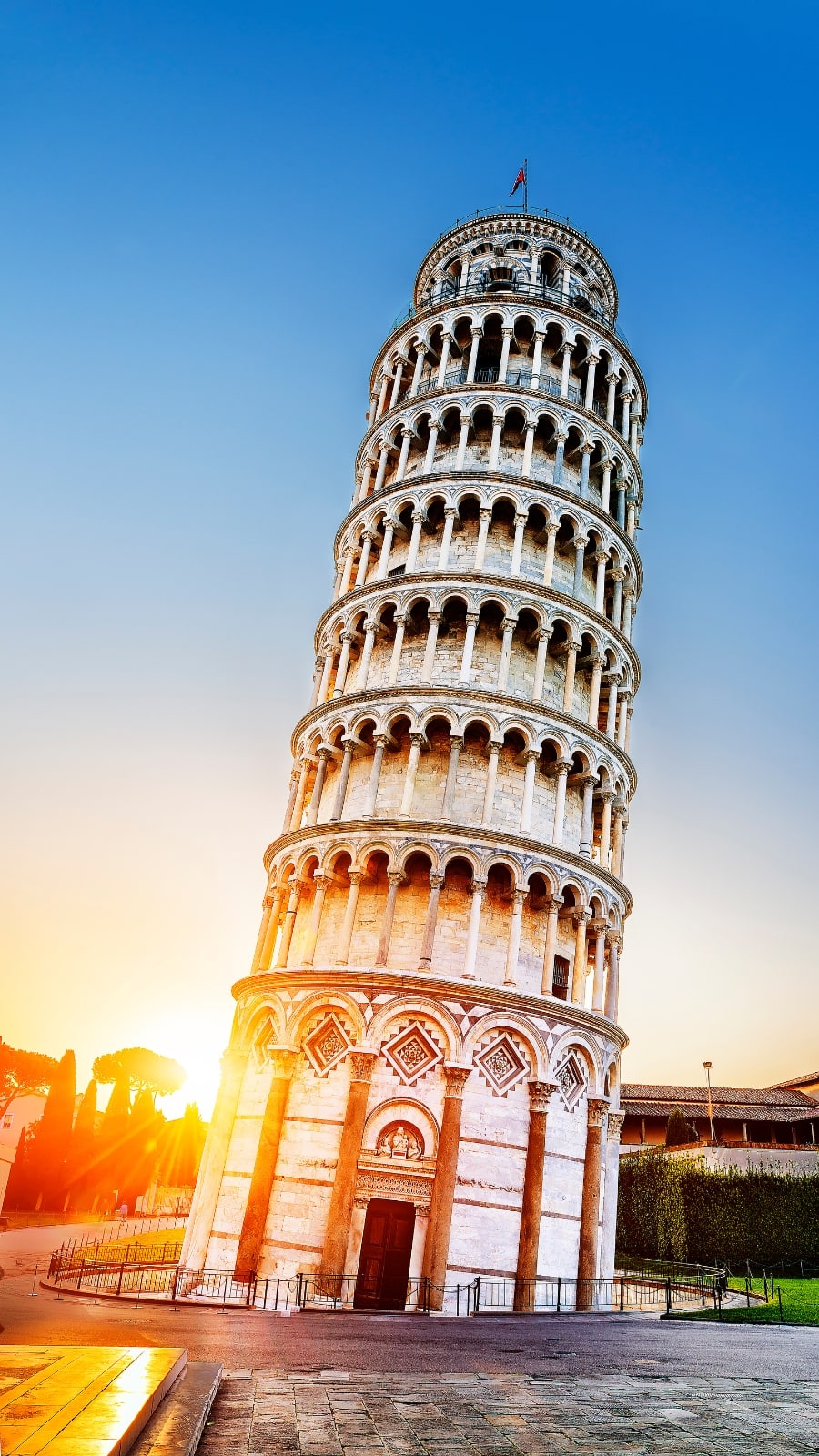
Spend two days in Florence visiting the Uffizi Gallery and walking across the Ponte Vecchio. Use the remaining time for day trips to nearby wineries and hilltop towns like Greve in Chianti. This anchors your trip in Tuscany’s most famous sights before moving south.
2. Transfer to the Amalfi Coast
From Florence, take a high-speed train to Rome, then transfer to a flight or another train to Naples. Naples is the gateway to Sorrento, located just 30 minutes away. Avoid driving between regions; the autostrada (highway) traffic between Tuscany and Campania can be intense and stressful. Let the rail network handle the long-distance transfer so you arrive rested.
Take a Frecciarossa train from Florence to Rome, then connect to a flight or regional train to Naples. From Naples, take the Circumvesuviana train or a private transfer to Sorrento. This route separates the two distinct regions cleanly.
3. Base yourself in Sorrento
Sorrento makes an ideal home base for the Amalfi Coast. Instead of changing hotels every two days, stay in Sorrento for three to four nights. It offers better dining options, more reliable luggage storage, and easier access to public transport. Take day trips to Positano, Amalfi, and Pompeii, returning to the same hotel each evening.
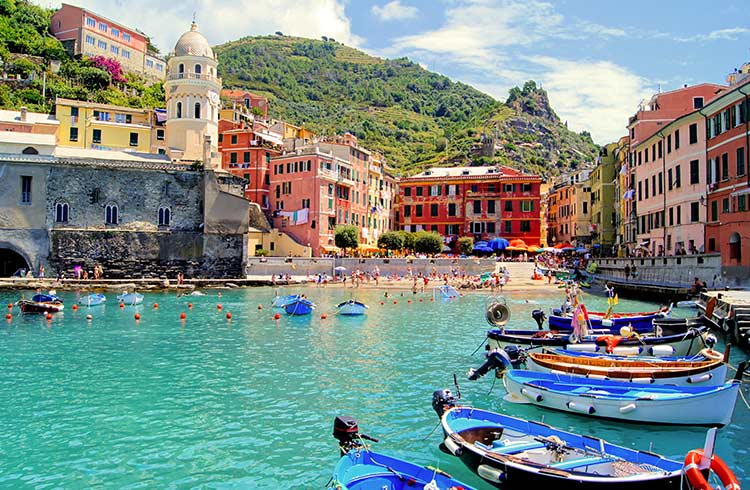
Use Sorrento as a hub for day trips to Positano, Amalfi, and Pompeii. The Circumvesuviana train and SITA buses connect these towns easily. This approach reduces packing stress and lets you immerse yourself in the coastal scenery without the hassle of constant hotel changes.
4. Return via Rome or direct flight
For your departure, choose the exit airport that offers the best flight prices and timing. Most travelers fly out of Naples (NAP) or Rome (FCO). If you have extra time, stop in Rome for a final day to visit the Vatican or Trevi Fountain. This closes the loop on your Italian journey without adding significant travel fatigue.
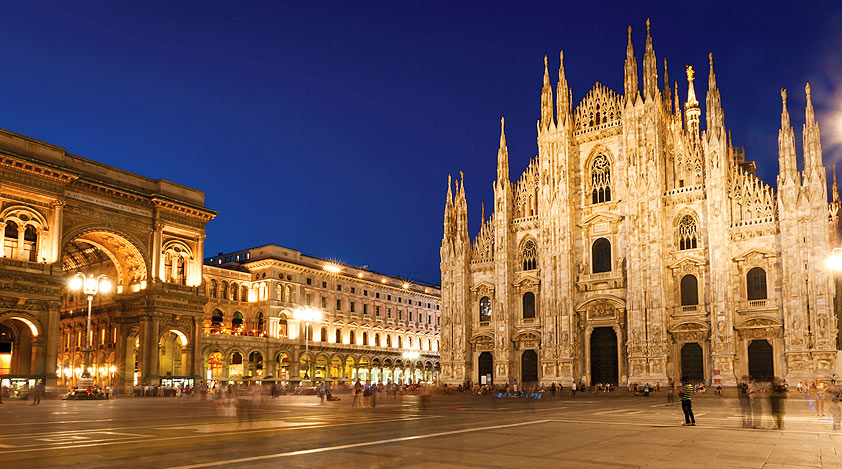
Fly out of Naples (NAP) for convenience, or take a high-speed train to Rome (FCO) for more flight options. If you choose Rome, add a day to explore the historic center before your flight. This flexible exit strategy ensures you leave without rushing.
-
Book high-speed trains between cities in advance
-
Reserve Chianti wine tours ahead of time
-
Pack light for frequent train transfers
-
Download offline maps for Amalfi Coast bus routes
Stops worth prioritizing
Choosing between Tuscany’s rolling hills and Sorrento’s coastal cliffs means deciding between slow immersion and vibrant energy. Both regions offer distinct advantages depending on your travel pace and interests. Prioritizing the right stops prevents the common mistake of over-scheduling, which often leads to burnout rather than relaxation.
Tuscany rewards those willing to spend days in fewer locations. Florence serves as the essential art hub, but the true magic lies in the Val d’Orcia or Chianti countryside. Here, you can cycle through vineyards, visit medieval hill towns like San Gimignano, and experience rural life without the rush. The pace is deliberate; you arrive, you eat, you rest.
Sorrento, by contrast, acts as a gateway to high-energy excursions. It is the perfect base for day trips to the Amalfi Coast, Pompeii, or Capri. The town itself offers a lively piazzas and lemon groves, but the real draw is the accessibility to iconic landmarks. If you prefer checking off major sights and enjoying seaside dinners with views of Vesuvius, Sorrento provides that structured excitement.
To help you decide, compare the core experience of each region. Tuscany is about depth and atmosphere; Sorrento is about breadth and scenery.
| Region | Vibe | Best For | Pace |
|---|---|---|---|
| Tuscany | Rustic, artistic, slow | Food, wine, history | Relaxed |
| Sorrento | Vibrant, coastal, scenic | Amalfi Coast, Pompeii | Active |
If you only have ten days, consider splitting your time: five days in Florence and the Tuscan countryside, followed by five days in Sorrento. This balance prevents you from feeling like you missed the other half of Italy. Avoid trying to cover both regions in less than a week; you will spend more time on trains than in the destinations.
Timing and logistics
Tuscany and Sorrento operate on different rhythms, and knowing how to navigate them saves you from hours of wasted time. In Tuscany, the car is not a luxury; it is the engine of the itinerary. The region’s true beauty lies in the strade bianche (white gravel roads) and hilltop villages that trains simply cannot reach. You will need a manual transmission car—automatics are rare and expensive to rent—and you must book your rental well in advance for peak season. Parking in historic centers like Siena or San Gimignano is strictly limited to residents in ZTL (Limited Traffic Zones). Entering these zones without a permit results in an automatic fine. Stick to designated peripheral parking lots and walk or take a shuttle into the center.
Sorrento presents a different logistical puzzle: transit. You do not need a car here, and trying to drive along the Amalfi Coast from Sorrento is often more stress than it’s worth. The SITA buses connect Sorrento to Positano, Amalfi, and Ravello, but they are notoriously crowded in July and August. For a smoother experience, book private transfers or small-group tours for day trips. If you do rent a car in Sorrento, know that the roads are narrow, winding, and aggressively driven by locals. The train system is efficient for reaching Pompeii or Naples, but the bus network is the only way to access the smaller coastal towns.
Reservations are the currency of a smooth Italian trip. This is not a suggestion; it is a requirement. Popular restaurants in Sorrento and Tuscany fill up weeks, sometimes months, ahead of time. Do not assume you can walk in for dinner. Book your top three restaurants before you arrive. Similarly, skip-the-line tickets for the Uffizi Gallery in Florence or the Colosseum in Rome (if included in your route) should be purchased directly from official sources to avoid third-party markups and scalpers.
Finally, respect the riposo. Many smaller shops, banks, and museums close between 1:00 PM and 4:00 PM, especially outside of major tourist hubs. Plan your museum visits for the morning or late afternoon. Use the midday lull for a long lunch or a nap. Trying to run errands during these hours will result in closed doors and frustrated staff. Embrace the slower pace; it is part of the charm, even if it requires adjusting your itinerary.
Italy travel: what to check next
Planning a trip to Tuscany and Sorrento means navigating specific logistical and cultural expectations. These answers address the practical objections travelers face when finalizing their itinerary for the region.
No comments yet. Be the first to share your thoughts!