

Plan the route
Italy’s geography is long and narrow, which means travel time adds up quickly. Trying to chase Tuscany, Sorrento, and Northern Italy in one trip requires a logical sequence that respects the distance between regions. Think of your itinerary as a line, not a web. Jumping back and forth across the country wastes days in transit and turns sightseeing into a commute.
Start in the north, where the Alps and lakes offer a dramatic entry point. From Milan or Venice, take a high-speed train south to Florence. This leg takes about two hours and drops you directly into the heart of Tuscany. Stay here for three to four days to explore the hills and cities without rushing.
After Tuscany, head south to Sorrento. The journey involves a train to Naples followed by the Circumvesuviana or a private transfer to the coast. This transition shifts the vibe from art and wine to sea views and lemon groves. Sorrento works best as a base for day trips to Pompeii or Capri, so book accommodation that allows you to leave your bags and explore locally.
Avoid trying to squeeze in Rome if you are already covering these three distinct zones. The travel time from Sorrento to Rome is only 90 minutes by train, but adding it to an already packed schedule will leave you exhausted. Instead, focus on the rhythm of the north-to-south flow.
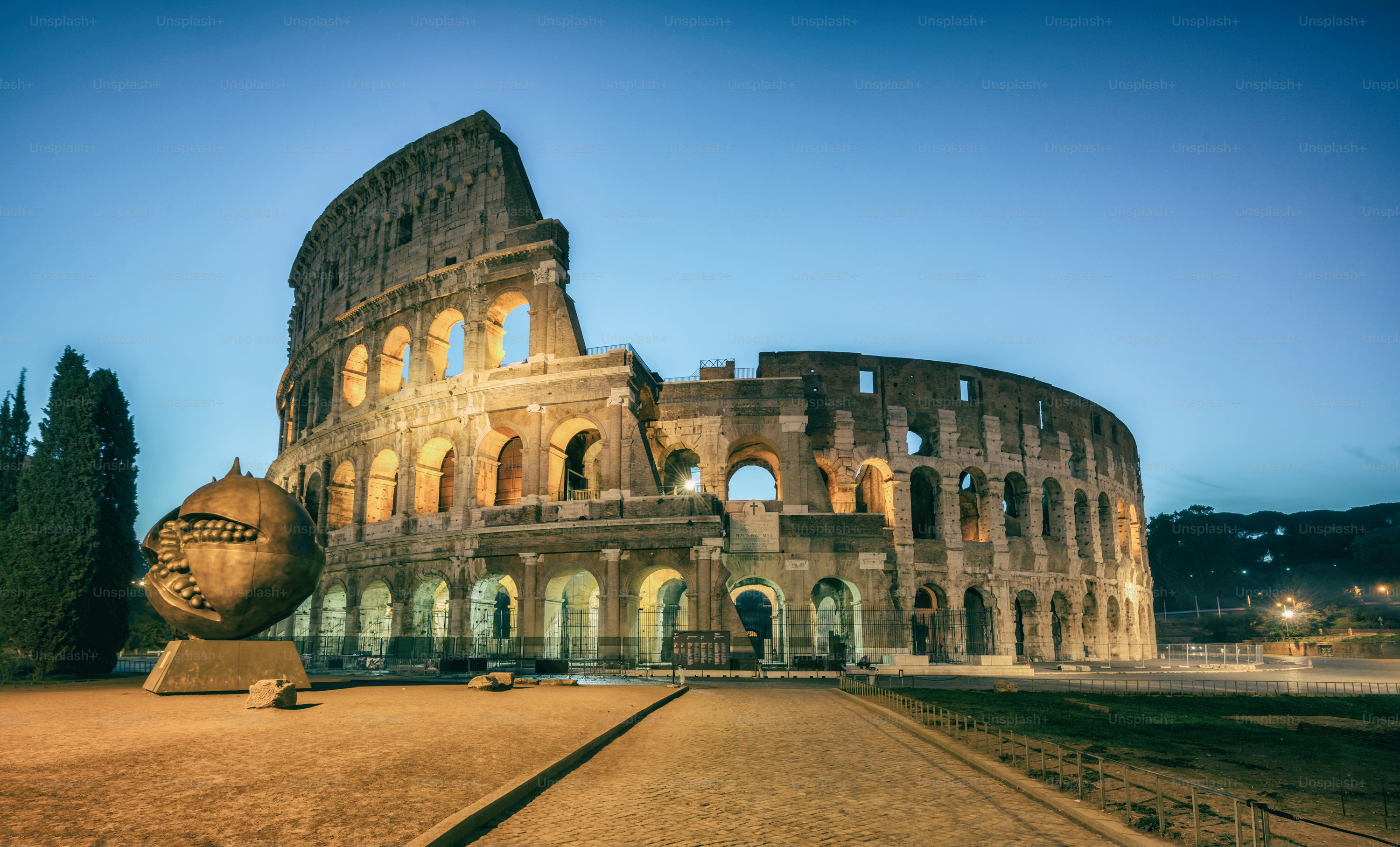
Begin your trip in Milan, Venice, or the Dolomites. These regions are geographically close, allowing you to cover multiple cities with minimal train travel. Use high-speed Frecciarossa trains to move between hubs efficiently.
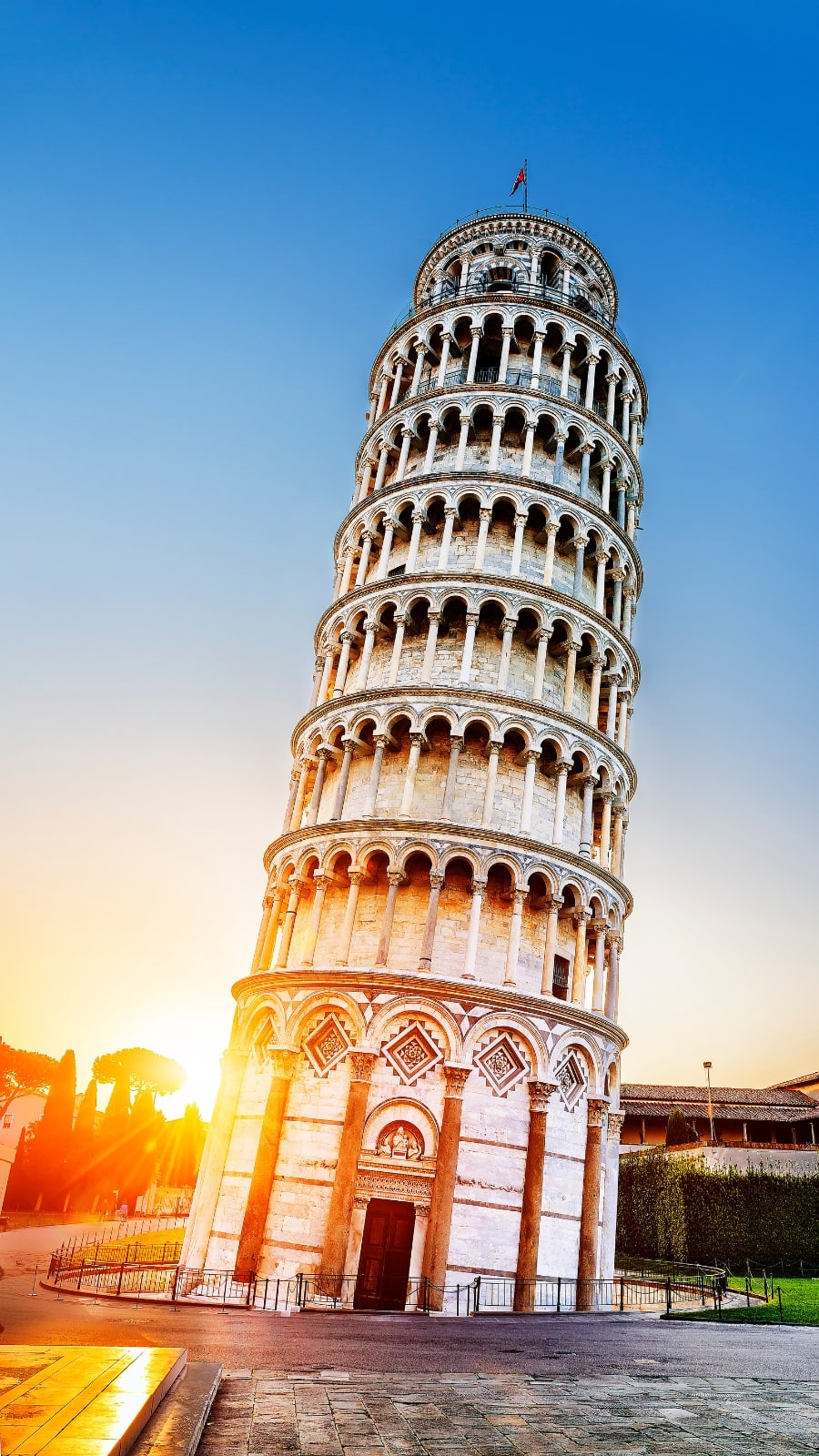
Take a direct train from Florence to Siena or Chianti for wine country access. If starting from the north, fly into Florence or take the train from Bologna. Spend at least three days here to avoid the "city-hopping" fatigue that ruins many Italian trips.
Travel south to Naples, then transfer to Sorrento. This region serves as the gateway to the Amalfi Coast. Book a hotel with a view to maximize the experience, as the best part of Sorrento is simply being there.
-
Book high-speed train tickets in advance for north-to-south legs
-
Pack layers for northern chill and southern heat
-
Reserve Amalfi Coast ferries ahead of summer peak
Stops Worth Prioritizing
Italy’s appeal lies in its density, but trying to hit every icon in one trip leads to burnout. The difference between a rushed checklist and a memorable journey is choosing stops that fit your pace. This section separates the essential anchors from the optional detours, helping you build an itinerary that balances iconic sights with local reality.
Tuscany: Beyond the Hype
Florence is the unavoidable gateway, but the real value of Tuscany is in the smaller hill towns. Prioritize a base in Chianti or Val d’Orcia rather than just day-tripping from Florence. This allows for morning coffee in Pienza or wine tasting in Montalcino without the daily train commute. The landscape here is gentle, making it ideal for slower travel.
Sorrento: The Gateway to the Coast
Sorrento serves as the logical hub for the Amalfi Coast, but it is not the destination itself. Use it for logistics—ferries to Capri and buses to Positano depart from here. Prioritize staying one night to see the town’s historic center before moving to a coastal hotel. This avoids the exhausting daily back-and-forth that traps many first-time visitors.
Northern Italy: Lakes and Cities
Milan and Venice are often skipped by those seeking rustic charm, but they offer distinct urban experiences. Prioritize a quick stop in Milan for the Duomo and a day in Venice early in the morning. For a change of pace, Lake Como or Lake Garda provide scenic breaks from city noise. These stops work best as short, focused visits rather than extended stays.
Picking Your Focus
Use this comparison to decide where your time is best spent. Focus on the columns that match your travel style—whether that is deep cultural immersion or quick scenic highlights.
| Stop | Best For | Time Needed | Crowd Level |
|---|---|---|---|
| Florence | Renaissance Art | 2-3 Days | High |
| Chianti | Wine & Relaxation | 2-4 Days | Medium |
| Sorrento | Coast Access | 1-2 Nights | High |
| Venice | Unique Atmosphere | 2-3 Days | Very High |
| Lake Como | Scenic Views | 1-2 Days | Medium |
Timing and logistics
Italy moves at its own pace, and trying to force a rigid itinerary often leads to burnout. The biggest mistake travelers make is packing too many cities into too few days. A good rule of thumb is to limit yourself to one base per region, using day trips to explore nearby towns. This approach reduces the friction of moving luggage and gives you time to actually experience the places you’ve chosen.
Parking and driving
If you plan to rent a car, especially in Tuscany or Northern Italy, be aware that historic city centers are largely restricted to residents. These areas are called ZTL (Zona a Traffico Limitato). Driving or parking in a ZTL without a permit results in automatic fines sent to your rental company, which then charges you with significant administrative fees. Always park outside the old town walls and take a bus, taxi, or walk into the center.
Train travel
For intercity travel, high-speed trains (Frecciarossa, Italo) are the most efficient way to connect major hubs like Florence, Rome, and Venice. Book these tickets in advance for the best prices, as they operate on dynamic pricing similar to airlines. Regional trains are cheaper and don’t require advance booking, but they are slower and do not have assigned seating. Always validate your regional ticket in the yellow or green machines on the platform before boarding, or you risk a fine during a random check.
Reservations
Popular sites like the Uffizi Gallery, the Colosseum, and Leonardo’s The Last Supper sell out weeks, sometimes months, in advance. Do not assume you can buy tickets on the day of your visit. Similarly, dinner reservations in tourist-heavy areas like Sorrento or Florence are essential for groups. Walk-in availability is rare during peak season, and many restaurants have strict time limits for seating. Plan your dining and museum visits as fixed appointments in your daily schedule, not optional activities.
Italy travel: what to check next
Planning a trip across Tuscany, Sorrento, and Northern Italy requires balancing iconic sights with realistic pacing. Here are the most common practical questions travelers ask before booking.
What I wish I knew before going to Italy?
The biggest surprise is usually the pace. Italians prioritize la dolce vita, meaning meals and transit take longer than expected. Don’t try to cover too much ground; instead, pick a base in each region and take day trips. Rushing between cities leads to burnout, while staying longer lets you experience local life, from morning espresso bars to evening passeggiata walks.
Is $10,000 enough for a trip to Italy?
Yes, $10,000 is a comfortable budget for a two-week trip for two people, covering mid-range hotels, domestic flights or high-speed trains, and most meals. This amount allows you to enjoy authentic dining without constantly watching every euro. If you travel during peak summer or choose luxury accommodations in Venice, costs will rise, but careful planning keeps this budget viable for a high-quality experience.
What is the best travel guide to Italy?
There is no single "best" guide, as preferences vary. Rick Steves offers excellent practical advice for first-timers focusing on major cities, while Ker & Downey provides curated luxury itineraries. For a balanced mix of history and hidden gems, look for guides that emphasize regional depth over checklist tourism. Digital apps and recent blogs often have more up-to-date info on current closures or transit strikes than printed books.
What are the do's and don'ts in Italy?
Do book train tickets and museum entries weeks in advance, especially for the Uffizi or Colosseum. Don’t eat near major tourist attractions; restaurants with picture menus or touts are often overpriced and low quality. Always validate your train ticket in the yellow machine before boarding to avoid fines. Finally, dress modestly when visiting churches, covering shoulders and knees to respect local norms.
No comments yet. Be the first to share your thoughts!