

Start with the Tuscan countryside
Tuscany is defined by its rolling hills, cypress-lined roads, and golden light that seems to linger long after sunset. Starting your journey here offers a slower pace, letting you adjust to the rhythm of Italian life before heading to the more crowded cities. The landscape itself is the main attraction, with vineyards and olive groves stretching toward the horizon.
Driving through the Val d'Orcia provides the quintessential view. This area is less about checking off landmarks and more about soaking in the atmosphere. You can stop at small agriturismos for lunch, where meals are served in fields or under ancient trees. The cost of a simple meal with local wine is often lower than in Florence or Rome, making it a budget-friendly way to experience luxury.
Timing matters. Spring and early autumn offer the best weather for exploring on foot or by car. Summer can be hot and crowded, even in the countryside. If you prefer solitude, plan your visits to popular viewpoints like Pienza or Montepulciano early in the morning or late in the afternoon.

Getting from Sorrento to the Amalfi Coast
Sorrento serves as the northern gateway to the Amalfi Coast, offering a more relaxed base than the crowded coastal towns while keeping the best of the region within easy reach. The journey south along the winding SS163 road reveals dramatic cliffs, lemon groves, and the turquoise Tyrrhenian Sea unfolding below. This route is not just a commute; it is a scenic tour that sets the tone for the Italian summer experience.
Getting There by Ferry
The fastest and most scenic way to reach Positano, Amalfi, or Ravello is by ferry. Departures from the Sorrento port typically begin in late spring and run frequently through September. The ride to Positano takes about 40 minutes, while Amalfi is roughly an hour away. Ferry tickets cost between €10 and €15 per person one-way. This method avoids the traffic bottlenecks that plague the coastal road during peak hours and offers unobstructed views of the coastline.
Driving or Taking the Bus
For those who prefer road travel, SITA buses run regularly from Sorrento’s Piazza Tasso to major Amalfi Coast stops. The ride to Positano takes about an hour and a half, depending on traffic. Buses are inexpensive, usually under €5 per person, but they can be crowded and lack air conditioning in older models. Driving yourself is possible but challenging; the roads are narrow, winding, and parking is scarce and expensive. If you choose to drive, arrive early in the morning to secure a spot.
Timing Your Visit
To avoid the crush of day-trippers, aim to leave Sorrento before 9:30 AM or after 4:00 PM. The midday hours see the heaviest traffic on the SS163 and the longest queues at ferry terminals. Visiting in the early morning allows you to explore Positano’s steep streets in relative peace before the cruise ships dock. Evening returns to Sorrento offer a different charm, with the coast lit up against the darkening sea.

What to wear in Italy this season
Italy’s weather shifts quickly between regions, so your packing list needs to handle two distinct environments. In Tuscany’s rural hills, mornings can feel crisp even in late spring, while Sorrento’s coastal heat demands breathable fabrics. The goal is to layer lightly, ensuring you stay comfortable whether you’re hiking vineyards or strolling seaside boulevards.
Start with lightweight, breathable materials like linen or cotton. These fabrics wick moisture and dry fast, which is essential for the humid coastal air in Sorrento. Avoid heavy synthetics that trap heat and smell after a day of sightseeing. A simple t-shirt paired with a light cardigan or unstructured blazer works for most dinners and museums, where air conditioning can be surprisingly cold.
Footwear is the most critical part of your wardrobe. You will walk on uneven cobblestones, marble floors, and gravel paths. Bring broken-in loafers, clean sneakers, or leather sandals with good support. Leave the high heels and stiff new shoes at home; blistered feet will ruin your itinerary faster than anything else.
For the rural cool of Tuscany, add a light waterproof jacket or a denim jacket. Rain can appear suddenly in the countryside, and a windbreaker protects against chilly evening breezes. In Sorrento, the sun is intense. Pack a wide-brimmed hat and sunglasses to protect your skin during midday excursions.
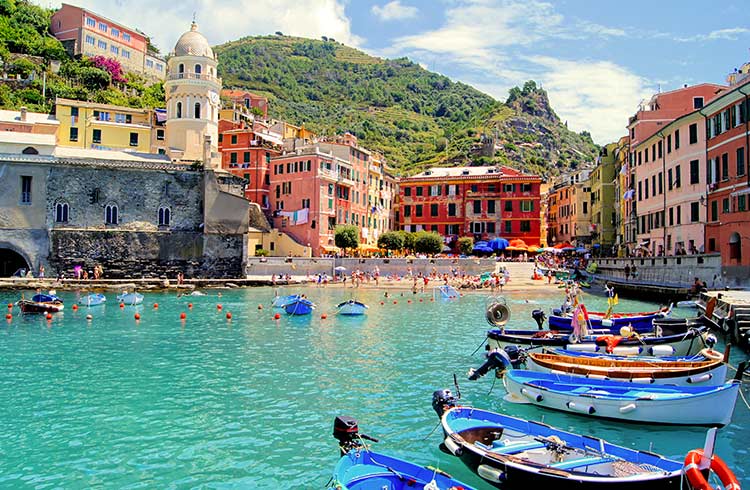
Pack Light for Italian Trains and Ferries
Italian transport is built for agility, not bulk. Train stations in Tuscany and Sorrento often lack elevators, and ferry docks can be steep or slippery. Carrying heavy suitcases through cobblestone streets or up narrow stairwells turns a scenic journey into a workout. The goal is to move smoothly between cities without stopping to rest.
1. Choose the Right Bag
A 40-liter backpack or a small carry-on roller bag is ideal. It fits in overhead racks on high-speed Frecciarossa trains and under seats on regional services. For ferries between Sorrento and Capri or Ischia, compact bags are easier to store in tight cabin spaces. Avoid large checked luggage unless you are staying in one place for a week or more.
2. Stick to Essentials
Pack only what you can carry for two blocks. Italy’s climate is mild, and laundry services are cheap and available in most towns. Bring versatile clothing layers rather than bulky items. One pair of comfortable walking shoes is enough; you do not need multiple pairs for different occasions.
3. Plan for the Last Mile
Your bag must survive the walk from the station to your hotel. Many historic centers in Tuscany and Sorrento have cobblestones and steps. A backpack distributes weight better than a roller bag on uneven surfaces. If you must use wheels, choose hard-shell cases with large, sturdy wheels that can handle bumps.
4. Carry a Foldable Day Bag
Bring a lightweight foldable tote or duffel for daily excursions. You can use it for groceries, souvenirs, or beach gear. It keeps your main luggage secure and out of the way while you explore. This small addition makes day trips to vineyards or coastal paths much easier.
5. Pack a Mini First-Aid Kit
Include basic items like bandages, pain relievers, and blister pads. You may need them after a long day of walking or if you get a small cut from a cobblestone. Keeping these items in your main bag ensures you are prepared without adding extra bulk.
-
40L backpack or carry-on roller bag
-
Versatile clothing layers (light sweaters, t-shirts)
-
One pair of comfortable walking shoes
-
Foldable day tote or duffel bag
-
Mini first-aid kit with bandages and pain relievers
-
Universal power adapter for Italy
Traveling light means you can hop on and off trains without worrying about lost luggage. It also allows you to move easily through narrow Italian streets. Focus on comfort and mobility, and you will enjoy the journey as much as the destination.
Common questions about Italy travel
Travelers planning a trip to Tuscany and Sorrento often have specific concerns about pacing, budget, and logistics. Below are answers to the most frequent questions to help you plan a smoother journey.
No comments yet. Be the first to share your thoughts!