

Plan the route
Italy’s geography is long and narrow, which makes linear routing efficient but leaves little room for backtracking. A summer itinerary moving north to south—or vice versa—minimizes travel time and maximizes sightseeing. This approach works best when you anchor your stays in major transit hubs like Florence, Rome, or Naples, using them as bases for day trips rather than trying to sleep in a new town every night.
Start in Northern Italy, focusing on the lakes or Venice, then move through Tuscany. Florence serves as the ideal midpoint, offering high-speed rail connections to both the north and south. From there, head to Rome for its ancient sites, before finishing in the south with Sorrento or the Amalfi Coast. This sequence follows the natural flow of major train lines, reducing the friction of changing luggage and navigating unfamiliar stations.
Avoid trying to cover too much ground. The crowds in summer are intense, and rushing between regions leads to burnout. Instead, pick two or three regions and stay put for a few days. Use day trips to explore nearby smaller towns, which often offer a more authentic and relaxed experience than the main tourist centers. This balance between cities and smaller towns keeps the trip manageable and enjoyable.
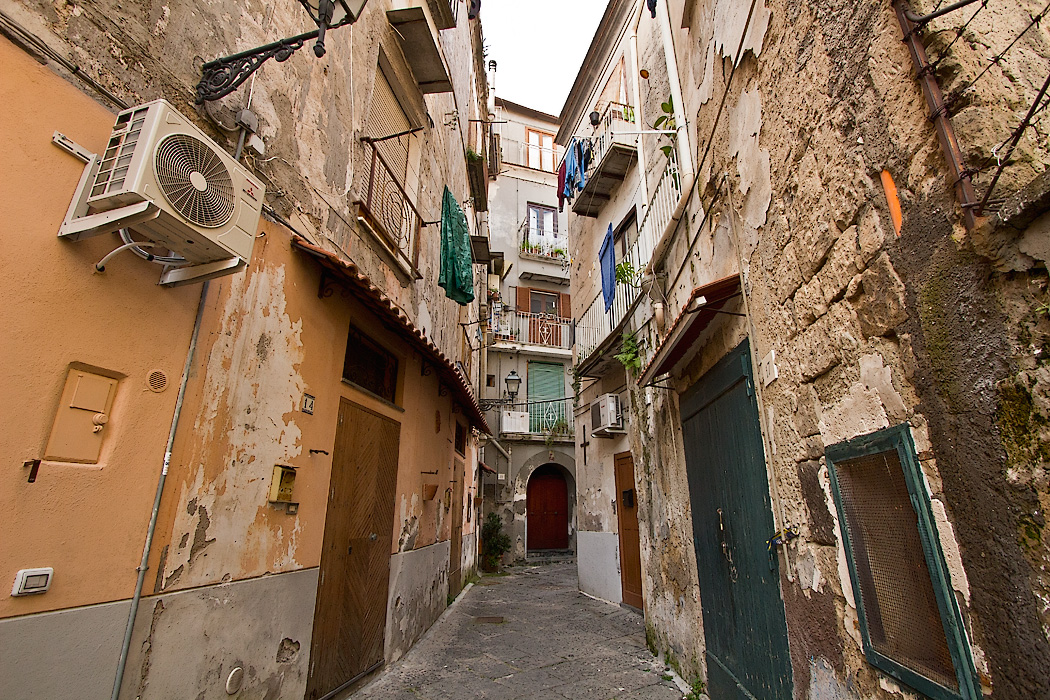
Begin your journey in Northern Italy, whether that’s the lakes region or Venice. These areas are cooler in summer and less crowded than the south. Take the high-speed train south to Florence, a journey of about two to three hours. Use Florence as your base for exploring Tuscany’s countryside and smaller hill towns like San Gimignano or Siena.
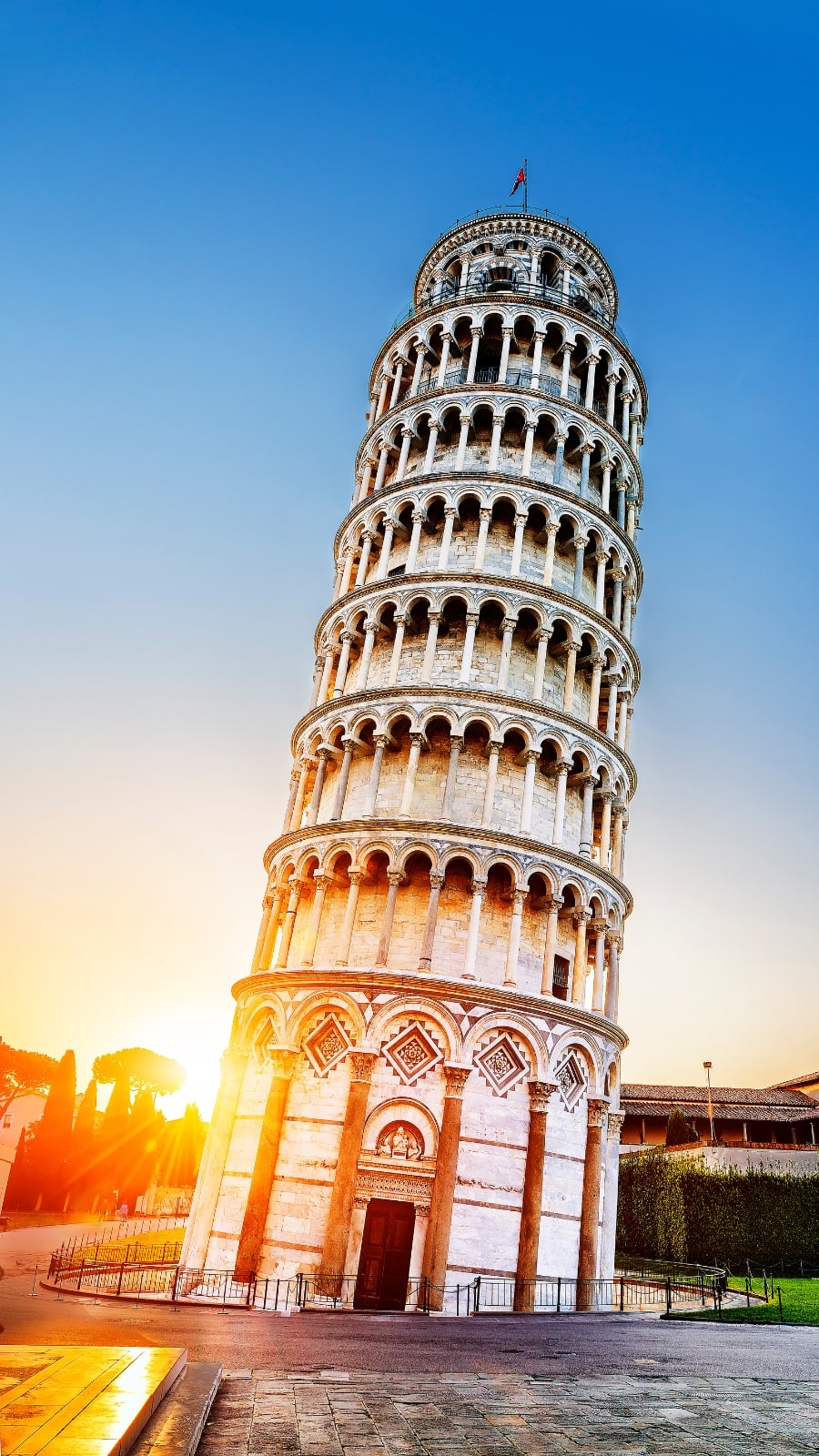
From Florence, take a short train ride to Rome. Spend at least three full days here to see the Colosseum, Vatican, and historic center. Book tickets in advance for major attractions to skip the long summer lines. Use Rome as a hub for day trips to Ostia Antica or Tivoli if you have extra time.
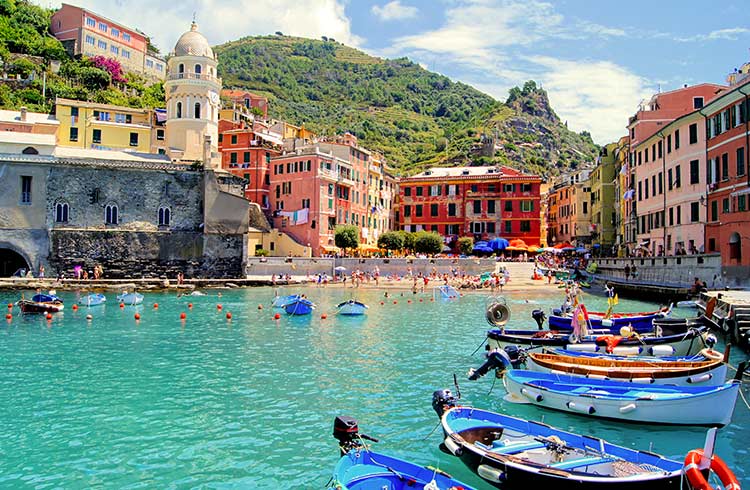
End your trip in Sorrento or the Amalfi Coast. The south is hotter and more crowded, so save it for last when you’re ready to relax. Use Sorrento as a base to visit Pompeii, Capri, or Positano. Take the Circumvesuviana train or a private driver for these day trips. This linear route avoids backtracking and gives you a clear, logical progression through Italy’s diverse landscapes.
Stops worth prioritizing
Italy’s summer heat and crowds demand a ruthless editing process. Trying to hit every UNESCO site or coastal village in one trip leads to burnout, not enjoyment. The goal is to identify stops that offer the highest return on time invested, balancing iconic architecture with manageable logistics.
Stops fall into two categories: the essential anchors and the optional detours. The anchors—Florence’s Duomo, Rome’s Colosseum, and Venice’s canals—require early morning bookings and strategic routing. Detours like Siena or the Cinque Terre villages are worth the train ride only if you have the days to spare without rushing.
Use the table below to compare the primary stops. This comparison focuses on the trade-offs between iconic status and logistical ease, helping you decide where to book tickets in advance and where to wander freely.
For Florence and Rome, book entry tickets at least three weeks in advance. The lines for the Uffizi or the Colosseum can stretch for hours in July and August. If you miss the window, consider guided tours that include skip-the-line access, though this adds cost.
Venice requires a different approach. Instead of fighting the midday crush in St. Mark’s Square, wander the smaller sestieri (districts) in the late afternoon. The crowds thin slightly, and the light is better for photography. Save the major museums for the morning.
Siena and the Cinque Terre are less time-sensitive but require physical stamina. Siena’s hilltop location means steep walks. Cinque Terre involves hiking or frequent train changes between five small villages. Prioritize these only if you enjoy active exploration over museum-hopping.
Timing and logistics
Italy Travel works best as a clear sequence: define the constraint, compare the realistic options, test the tradeoff, and choose the path with the fewest hidden costs. That order keeps the advice usable instead of decorative. After each step, pause long enough to check whether the recommendation still fits the reader's actual situation. If it depends on perfect timing, unusual access, or a best-case budget, include a simpler fallback.
The simplest way to use this section is to write down the real constraint first, compare each option against it, and choose the path that still works outside ideal conditions.
No comments yet. Be the first to share your thoughts!