

Map your Italian route
Italy is long, and the distance between the rolling hills of Tuscany and the coastal energy of Sorrento is significant. Trying to connect these regions without a clear plan can waste days in transit. The most efficient flow starts in the north, moves south through Tuscany, and finishes in the Amalfi Coast. This geographical progression aligns with the country's shape and minimizes backtracking.
Start your journey in Northern Italy. Cities like Milan and Venice offer world-class art and architecture, but they are far from the Mediterranean coast. From here, a high-speed train or a short flight brings you to Florence. This transition shifts the pace from urban bustle to the slower, agrarian rhythm of the countryside.
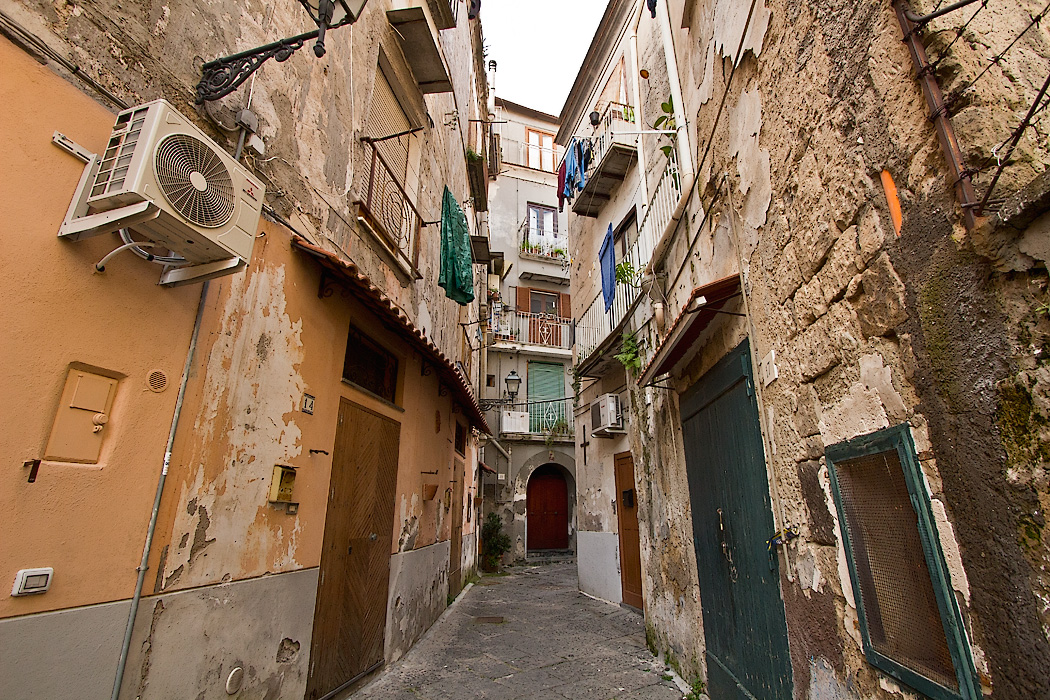
From Florence, head south. The drive or train to Tuscany’s rural estates offers a change in scenery that prepares you for the Mediterranean climate. After a few days in the hills, continue south to Sorrento. This town serves as the perfect gateway to the Amalfi Coast, offering a relaxed base before diving into the dramatic cliffs and sea views of Positano and Amalfi.
Use the map below to visualize this north-to-south flow. It highlights the key hubs—Milan, Florence, and Sorrento—and the logical connections between them. Planning your route this way ensures you spend less time on trains and more time experiencing the distinct character of each region.
Tuscany's art and wine
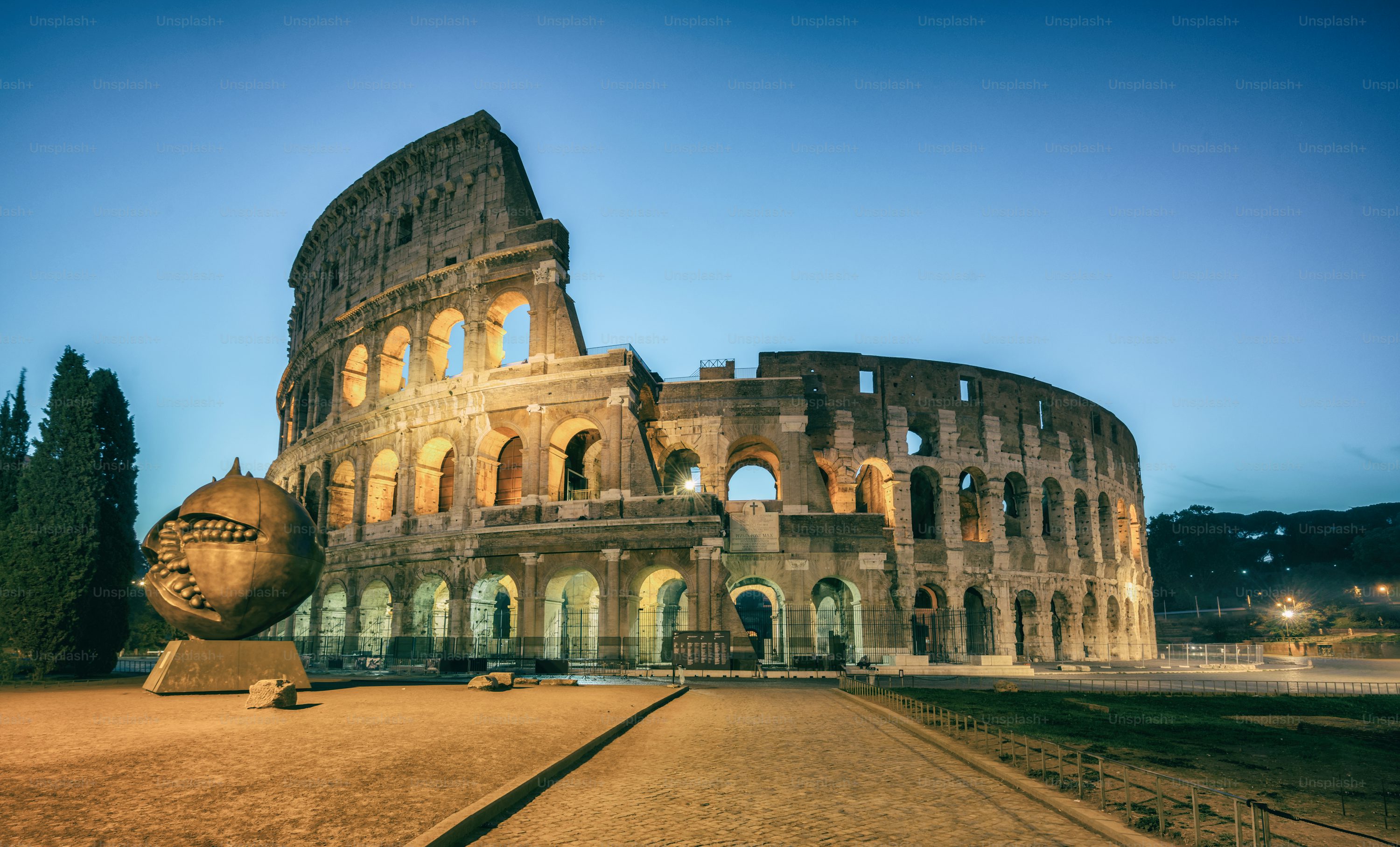
Florence is the beating heart of Tuscan culture, but navigating its art scene requires strategy to avoid exhaustion. The Uffizi Gallery houses the world’s most significant collection of Renaissance paintings, yet the crowds can be overwhelming. Book tickets for the earliest slot or late afternoon to secure a quieter experience. For a more intimate view of masterpieces, head to the Accademia Gallery to see Michelangelo’s David. The sculpture is smaller than many expect, so allocate only 45 minutes here and save the rest of the day for wandering the surrounding Oltrarno district, where artisan workshops still thrive.
Wine tasting in Tuscany is less about visiting massive commercial estates and more about experiencing the landscape. Chianti Classico is the most famous region, but smaller areas like Montalcino for Brunello or Montepulciano for Vino Nobile offer deeper, more personal interactions with winemakers. Drive the scenic Strada Chiantigiana between Florence and Siena, stopping at family-run agriturismos. These working farms often serve lunch alongside tastings, providing a chance to taste olive oil and wine straight from the source. Always call ahead; many small producers do not accept walk-ins.
The rhythm of Tuscan life revolves around the riposo, or afternoon rest. Most shops, including many smaller galleries and boutique wineries, close between 1:00 PM and 4:00 PM. Plan your museum visits for the morning and reserve wine tours for the afternoon. This pace allows you to enjoy a leisurely lunch and recover from the heat before evening activities. Evening is the best time to explore Florence’s piazzas, as the Duomo is beautifully lit and the streets come alive with locals.
Sorrento as a Base for the Amalfi Coast
Sorrento sits at the northern edge of the Amalfi Coast, making it a practical staging ground for exploring the dramatic coastline without the crowds of Positano or Amalfi town. While the villages along the coast offer direct seaside charm, Sorrento provides better transport links, more accommodation variety, and a calmer atmosphere for evening meals. Most travelers use it as a hub for day trips, returning to a quieter home base each night.
Getting There and Around
The most common route from Naples to Sorrento is the Circumvesuviana train, a local commuter line that takes about an hour. It is affordable but often crowded, especially during peak summer months. For a more comfortable start, private transfers or shared shuttles are available from Naples International Airport or the city center, though they cost significantly more. Once in Sorrento, the SITA bus network connects you to the southern coastal towns. Buses run frequently but follow narrow, winding roads, so motion sickness medication is advisable if you are prone to it.
Timing Your Day Trips
The Amalfi Coast is best explored in the spring or fall when the weather is mild and the roads are less congested. In July and August, the heat can be intense, and buses may be delayed for hours due to traffic. If you visit in summer, aim to catch the first buses out of Sorrento in the early morning to beat the crowds. Alternatively, consider a boat tour from Naples or Sorrento, which bypasses road traffic entirely and offers stunning views of the coastline from the water.
Choosing Your Destinations
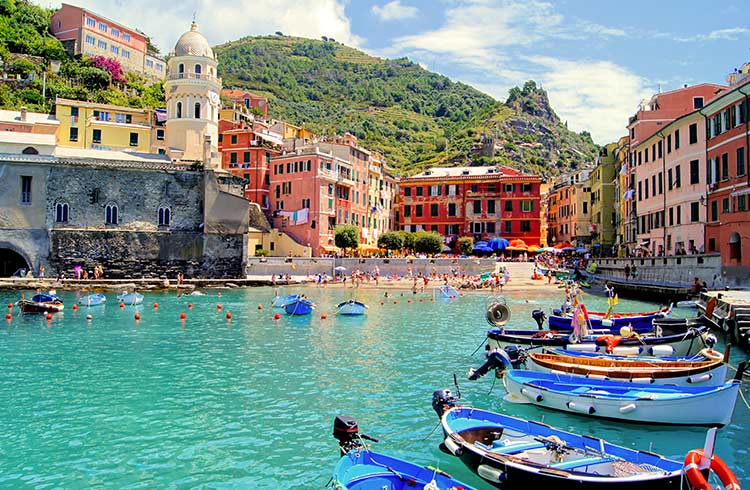
From Sorrento, you can easily reach Positano, Amalfi, and Ravello. Positano is the most famous, with its steep, colorful houses cascading down to the sea. Amalfi town has a historic cathedral and a more relaxed piazza. Ravello sits high in the hills, offering panoramic views and beautiful gardens. Each destination offers a different perspective on the coast, so plan your days accordingly. If you want to see multiple towns, consider splitting your time between two bases, such as Sorrento and Positano, to minimize travel time and maximize enjoyment.
Northern Italy's lakes and cities
Italy Travel works best as a clear sequence: define the constraint, compare the realistic options, test the tradeoff, and choose the path with the fewest hidden costs. That order keeps the advice usable instead of decorative. After each step, pause long enough to check whether the recommendation still fits the reader's actual situation. If it depends on perfect timing, unusual access, or a best-case budget, include a simpler fallback.
The simplest way to use this section is to write down the real constraint first, compare each option against it, and choose the path that still works outside ideal conditions.
What to pack for Italy
Packing for Italy requires balancing three distinct environments: the humid heat of Tuscany’s vineyards, the steep, uneven cobblestones of Sorrento, and the crisp, often chilly mornings in Northern Italy. Your suitcase should function like a Swiss Army knife—compact enough to carry up stairs without elevators, but versatile enough to handle a sudden rain shower in Verona or a formal dinner in Florence.
Start with footwear. You will walk more than you expect, often on surfaces that are far from flat. Pack broken-in walking shoes with good grip for the Amalfi Coast’s steps and leather loafers or clean sneakers that transition easily from museum to market. Leave the high heels and stiff new boots at home; they will become liabilities within hours.
Layering is non-negotiable. In Northern Italy, temperatures drop quickly after sunset, even in spring. Bring a lightweight waterproof jacket that packs small, a few merino wool or synthetic mid-layers, and a scarf that can double as warmth or a modesty cover. In Tuscany and Sorrento, breathable linen or cotton shirts and trousers keep you cool during the day while remaining presentable for evening aperitivos.
Don’t overpack toiletries. Most hotels in Italy provide basic amenities, and pharmacies (farmacie) are ubiquitous. A small kit with sunscreen, lip balm, and any prescription meds is sufficient. Remember that many historic hotels have small bathrooms; a compact travel-sized bag keeps your space manageable.
Finally, check the weather forecast for your specific destinations one week before departure. Northern Italy (Milan, Venice, Dolomites) can be significantly cooler and wetter than Tuscany or Sorrento. Adjust your layers accordingly, but keep the core principle in mind: comfort and modesty win over fashion in most Italian contexts.
Packing checklist for Italy
Packing for Italy requires balancing style with practicality, especially when navigating cobblestone streets, historic sites, and varying climates between regions. A well-curated bag reduces stress and ensures you’re prepared for everything from a casual lunch in Sorrento to a formal dinner in Florence.
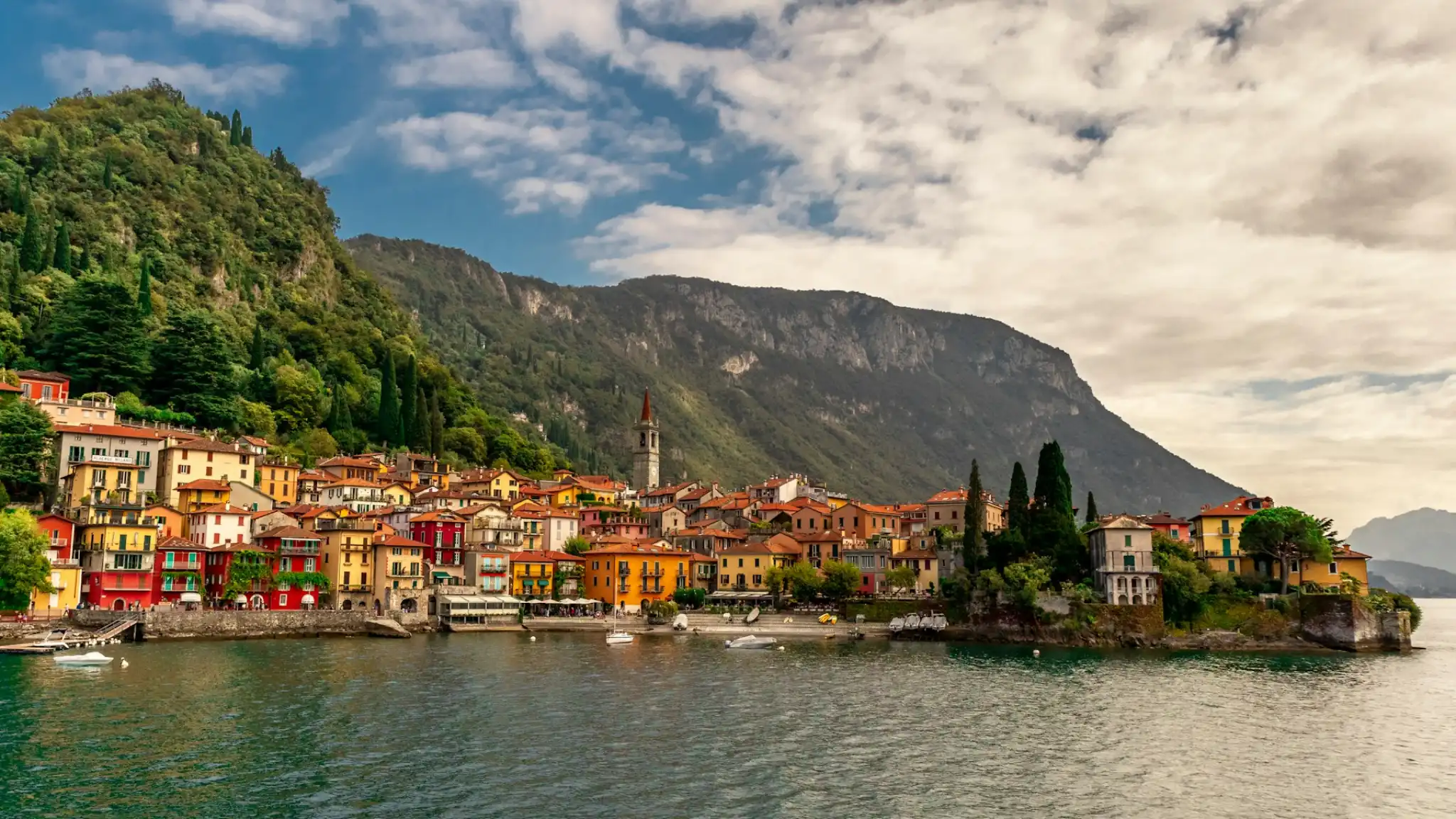
Start with footwear. Comfortable walking shoes with good grip are non-negotiable for exploring cities like Rome and Tuscany, where you’ll cover significant distance on uneven surfaces. Pack versatile clothing that layers well, allowing you to adapt to cooler evenings or warmer days without overpacking.
Don’t forget essential travel documents, a universal power adapter, and a small day bag for daily excursions. Keeping your valuables secure and your hands free will make navigating crowded tourist spots much easier.
-
Comfortable walking shoes with good grip
-
Versatile clothing for layering
-
Universal power adapter (Type C/F)
-
Small crossbody bag for daily use
-
Copies of important travel documents
-
Reusable water bottle
No comments yet. Be the first to share your thoughts!