

Plan the route
Italy’s summer heat varies significantly by region. Northern cities like Milan and Venice are humid and heavy, while the south—Sicily, Puglia, and Rome—bakes under direct sun. Your packing strategy must shift with this geography. Leave heavy denim behind. Instead, pack breathable fabrics like linen and light cotton that dry fast and don’t trap heat.
Sequence your days by heat and movement
Start your mornings early. The sun is most intense between 12 pm and 4 pm. Plan indoor activities, such as museum visits or long lunches, during these hours. This allows you to rest in air-conditioned spaces rather than walking around in the heat. Pack a lightweight, packable jacket for these environments and for overly cold trains or buses.
Choose footwear for cobblestones and humidity
Your shoes determine your daily comfort. Italy’s historic centers are paved with uneven cobblestones. Avoid heels or flimsy sandals that offer no support. Opt for breathable leather sneakers or sturdy walking sandals with good arch support. You will likely sweat through socks, so pack extra pairs of moisture-wicking socks or go sockless with breathable shoes.
Keep bags light and secure
A heavy carry-on bag slows you down and increases your body temperature. Use packing cubes to compress clothes and create a capsule wardrobe. Stick to light-colored clothing, as black absorbs heat and makes you feel hotter. A crossbody bag with a zipper keeps your belongings secure in crowded tourist spots while leaving your hands free for a gelato or a map.
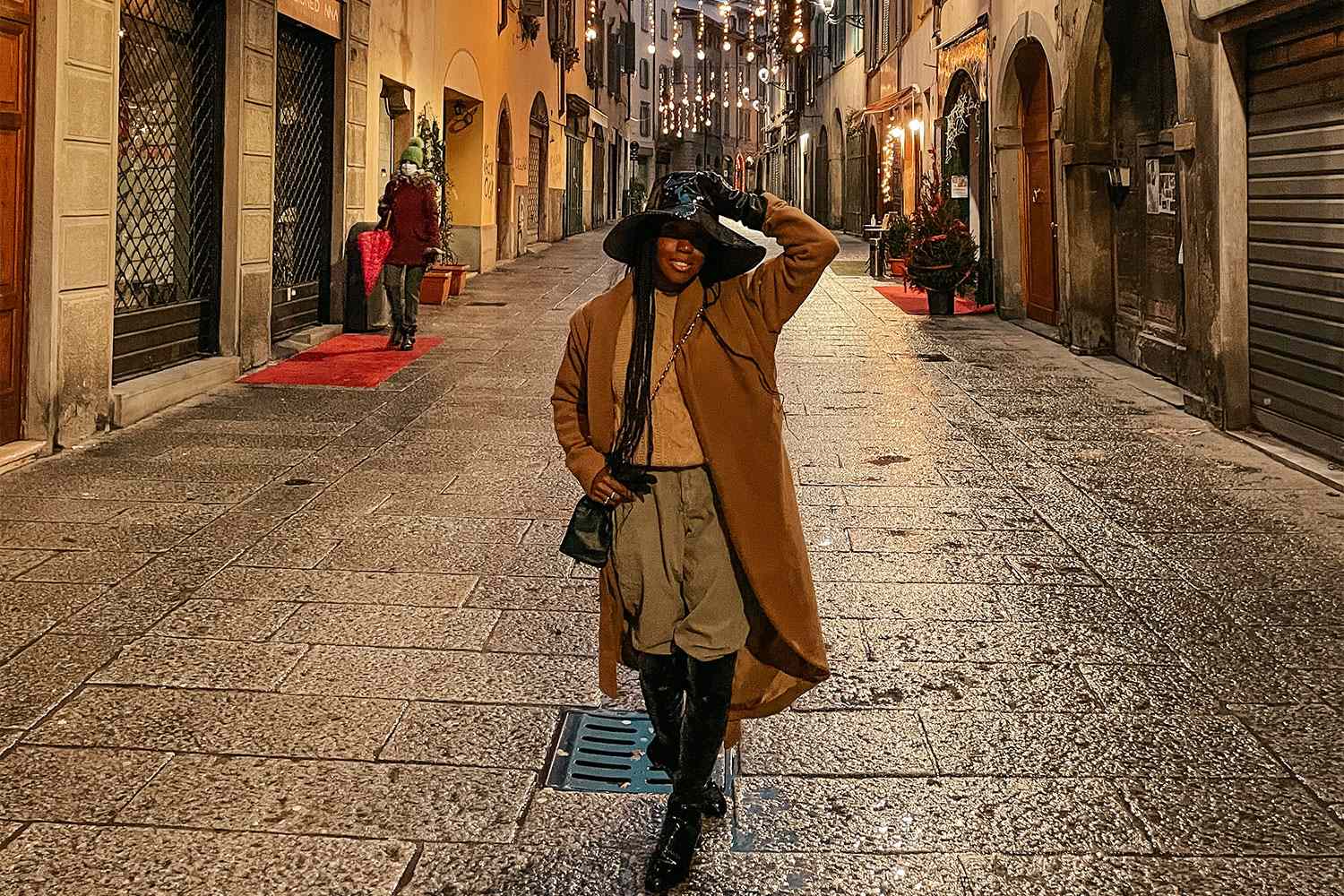
Mix and match light-colored tops and bottoms. Choose fabrics like linen and light cotton that breathe in the summer heat. Avoid heavy denim or synthetic materials that trap sweat.
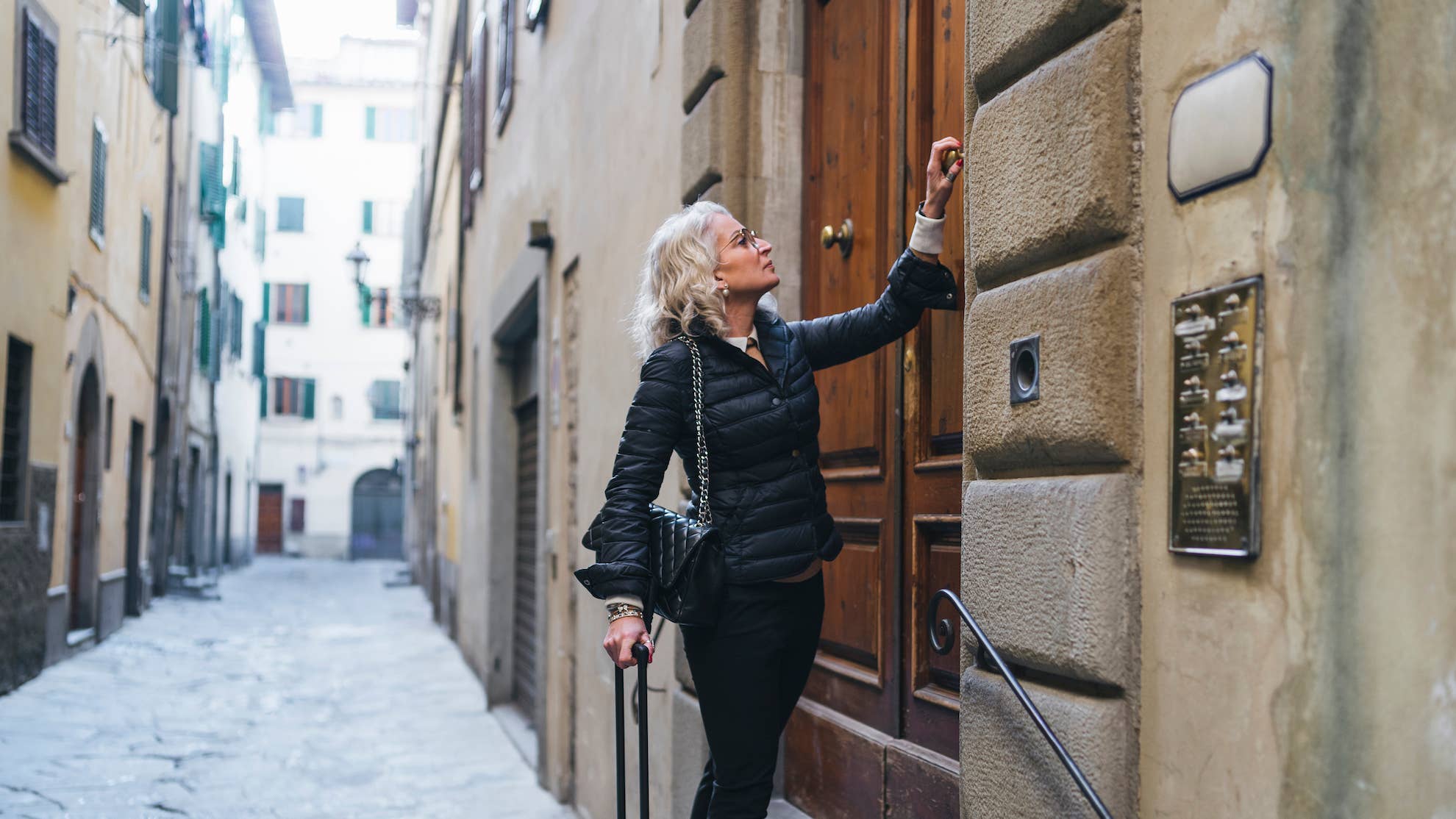
Choose breathable leather sneakers or sturdy walking sandals. Avoid heels or flimsy sandals that offer no support on uneven cobblestones. Pack extra moisture-wicking socks.
Use a crossbody bag with a zipper to keep your belongings secure. This leaves your hands free for navigating crowded tourist spots and holding a map or phone.
-
Lightweight, breathable fabrics (linen, cotton)
-
Supportive walking shoes for cobblestones
-
Crossbody bag with secure zipper
-
Light packable jacket for AC interiors
-
Extra moisture-wicking socks
Stops worth prioritizing
Italy’s summer heat demands a packing strategy that balances comfort with cultural respect. The right choices let you move freely through crowded piazzas and sacred sites without overheating or drawing unwanted attention. This section separates essential stops from optional detours, helping you decide where to allocate your limited luggage space.
Must-see stops
Focus your packing on items that work for high-traffic, climate-sensitive locations. These stops require specific attire to ensure access and comfort.
- Rome’s Vatican Museums: Temperatures inside can spike, and strict dress codes prohibit bare shoulders and knees. Pack lightweight, breathable fabrics like linen or cotton that cover you up while keeping you cool.
- Florence’s Uffizi Gallery: Air conditioning is often weak or nonexistent in historic buildings. Choose moisture-wicking layers and slip-on shoes for easy security checks and quick movement through crowded halls.
- Pompeii Archaeological Park: The exposed ruins offer no shade. Prioritize wide-brimmed hats, UV-blocking sunglasses, and sturdy walking sandals with good grip for uneven ancient stone.
Optional detours
These locations are beautiful but less demanding. You can often skip heavy layers or formal wear here, saving weight for more critical stops.
- Amalfi Coast villages: While stunning, the steep stairs and narrow alleas make heavy bags a burden. Light, quick-dry clothing is sufficient. Skip the heavy jackets unless you’re staying at high-altitude accommodations.
- Venice’s canals: The humid air makes cotton feel sticky. Opt for synthetic blends that dry fast. You can skip the formal dinner shoes unless you have specific reservations at upscale restaurants.
Comparison table
Use this table to compare the packing needs for your primary stops versus optional detours. This helps you decide what to leave behind.
| Location | Climate Factor | Dress Code | Packing Priority |
|---|---|---|---|
| Vatican Museums | Hot & Humid | Strict (Covered shoulders/knees) | High |
| Pompeii | Extreme Heat/No Shade | Casual but sturdy | High |
| Amalfi Coast | Coastal Breeze | Relaxed | Medium |
| Venice | Humid | Smart Casual | Medium |
Practical route context
When planning your itinerary, consider the sequence of stops. Starting with high-priority, strict-dress-code locations in the morning allows you to pack lighter for the afternoon optional detours. Always check local weather forecasts a week before departure, as summer heatwaves can intensify these factors.
Timing and logistics
Italy’s summer heat and dense crowds make logistics as important as your packing list. What works in a quiet village often fails in Florence or Rome. Plan your daily rhythm around the heat and transit limits rather than forcing a rigid itinerary.
Parking and ZTL zones
Most historic centers have Zone a Traffico Limitato (ZTL), restricted traffic zones where unauthorized cars face heavy fines. If you rent a car, stay outside the ZTL and use park-and-ride lots on the city edges. In Rome, the Grande Raccordo Anulare (GRA) ring road has several such lots with direct bus or metro links into the center. In Florence, parking garages like Bargellini or Poggiale are just outside the walls and save you from navigating narrow, one-way streets.
Transit and reservations
Trains are efficient but crowded in July and August. High-speed Frecciarossa or Italo tickets between major cities (Milan–Rome–Naples) sell out weeks ahead. Book at least two weeks before travel for peak season. For local transit, avoid buying single tickets on the spot if you can; get a multi-day pass or a digital ticket via the official app to skip lines and validate correctly.
Reservations and timing limits to account for
Museums like the Uffizi, Vatican Museums, and Colosseum require timed-entry tickets. Walk-up availability is rare in summer. Book online as soon as your dates are fixed. For dining, popular trattorias in tourist hubs require reservations days in advance. If you arrive without one, expect long waits or limited menus. Plan heavy sightseeing for early morning or late afternoon to avoid the midday heat surge, which often peaks above 90°F (32°C) in inland cities.
To pack for italy: what to check next
Packing for Italy in the summer requires balancing two competing demands: surviving the heat and respecting local customs. The goal is to pack light enough to manage stairs and trains, but modest enough to enter churches without turning around.
Is a carry-on enough for a week in Italy?
Yes, a carry-on is not just enough; it is the standard for most travelers. A personal item and a crossbody bag handle your daily needs. Pack six to eight sets of underwear and socks, plus five complete outfits. Use packing cubes to compress linen and cotton. Avoid checking bags to save time and avoid lost luggage fees on regional trains.
What should I wear to visit churches in Italy?
Churches enforce a strict dress code: shoulders and knees must be covered. This applies to men and women. Bring a lightweight scarf or shawl that fits in your day bag. You can wear loose linen trousers or a midi skirt. Avoid tank tops, short shorts, and mini-skirts. If you arrive unprepared, many churches sell cover-ups at the entrance, but the prices are high.
What shoes are best for Italian streets?
You will walk more on cobblestones than you expect. Bring broken-in walking sandals with arch support or lightweight leather sneakers. Avoid flip-flops for daytime sightseeing, as they offer no support and look too casual for dinner. For evenings, loafers or flat sandals work well. Leave your heavy hiking boots at home; they are overkill and take up too much space.
Do I need a jacket for summer in Italy?
Yes, but only a light layer. Summer nights can be cool, especially in northern cities like Milan or if you are near the coast. A packable windbreaker or a light cardigan is sufficient. It also serves as a modesty layer for church visits. Avoid heavy jackets or jeans, which trap heat and are difficult to wash.
No comments yet. Be the first to share your thoughts!