

Plan the route
Italy’s geography is long, narrow, and unforgiving of inefficient routing. Trying to jump from the Alps to the Amalfi Coast in two days burns more time than you save. Instead, treat the country like a timeline moving south, grouping destinations by region to minimize transit friction. This approach lets you absorb the local pace rather than fighting the schedule.
1. Start in Renaissance Northern Italy
Begin in Milan for fashion and business, then move quickly to Florence. The high-speed Frecciarossa train cuts the journey to just 1 hour and 30 minutes. Use Florence as a base for day trips to Siena or the Chianti wine region. This cluster covers the Renaissance heartland without backtracking.
Take the morning train from Milano Centrale to Firenze Santa Maria Novella. Book tickets at least two weeks in advance for the best fares. Spend two full days exploring the Duomo, Uffizi Gallery, and Ponte Vecchio. Use the evening to settle into your accommodation near the historic center.
Rent a car or join a small-group tour for Siena, San Gimignano, or the Val d’Orcia. Driving in Tuscany is scenic but requires confidence on narrow, winding roads. If you prefer not to drive, regular buses connect Florence to major towns, though schedules are less frequent on weekends.
Fly or take a high-speed train from Florence to Naples, then a regional train to Sorrento. The flight is faster but involves airport security; the train route through Rome offers a change of scenery. Sorrento serves as the perfect gateway to the Amalfi Coast, with ferry connections to Positano and Amalfi available from the harbor.
2. plan around the Amalfi Coast
The coast is a series of vertical villages connected by narrow roads that become congested by midday. Use ferries whenever possible to avoid traffic. The ferry network between Sorrento, Positano, Amalfi, and Capri is reliable and offers better views than the coastal drive. Book ferry tickets early in the season, as capacity is limited.
3. End in Rome
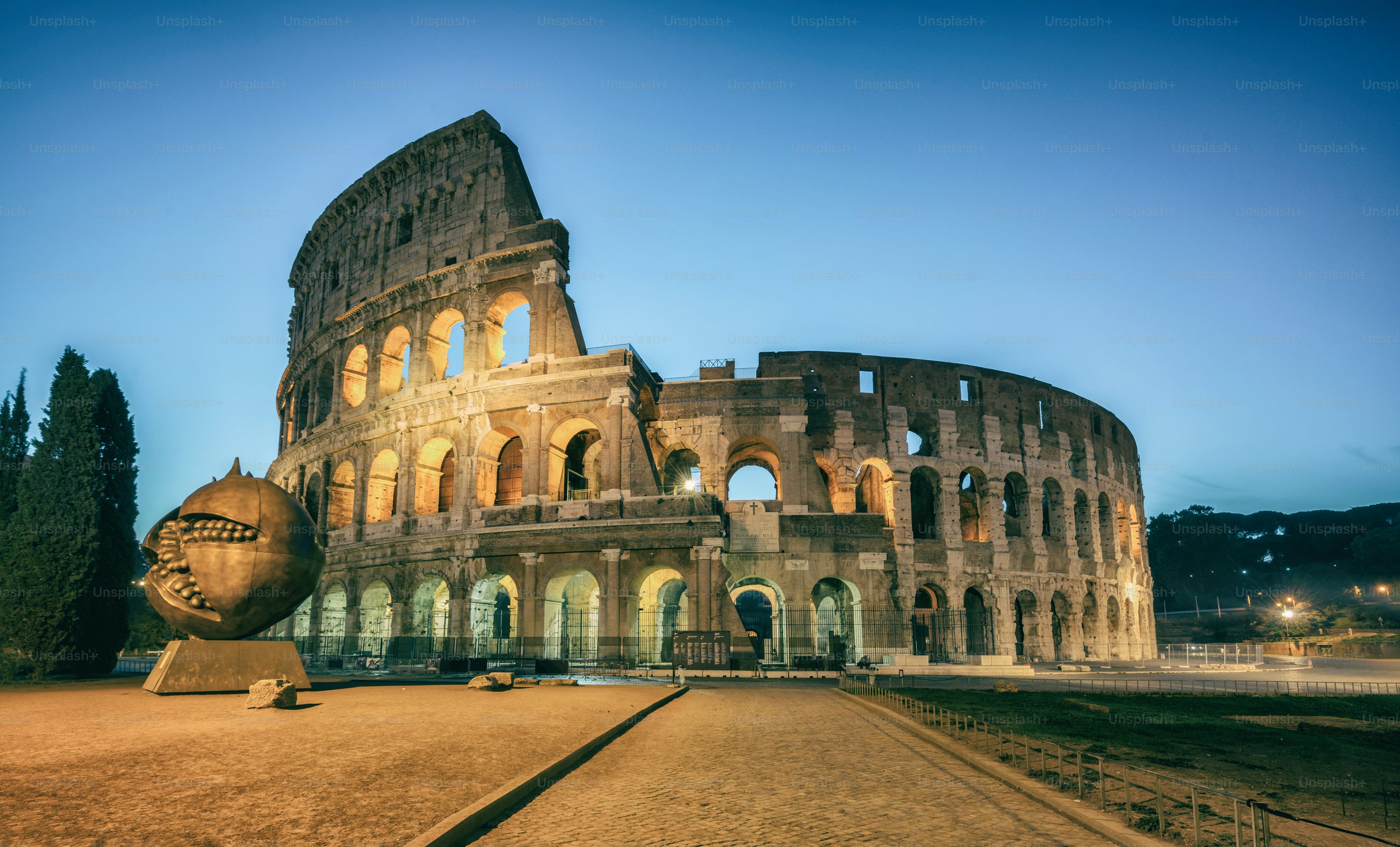
Conclude your trip in Rome, allowing three to four days for the Colosseum, Vatican Museums, and Trastevere. Fly from Naples or take the high-speed train directly to Roma Termini. This final leg ensures you end in a major transport hub, making your departure flight stress-free.
Stops worth prioritizing
Italy’s major attractions are beautiful but crowded. To avoid spending your trip stuck in lines, pick three anchor destinations and build your itinerary around them. Trying to cover Tuscany, Sorrento, and Northern Italy in one trip is possible, but it requires strict prioritization.
Start with Florence. The Uffizi Gallery and Accademia are non-negotiable for first-time visitors. Book tickets weeks in advance. If you skip the museum, you miss the core Renaissance experience. From Florence, take a high-speed train to Venice. The canals and St. Mark’s Square offer a completely different atmosphere than the Tuscan countryside. Finally, head south to Sorrento for your base in Campania. Use it to explore Pompeii or take a day trip to Capri. This route minimizes backtracking and maximizes iconic sights.
Florence, Venice, and Sorrento
These three cities offer the best balance of history, culture, and logistics. Florence is compact and walkable. Venice is best explored on foot, though it requires more time to plan around the islands. Sorrento provides a relaxed coastal vibe and easy access to the Amalfi Coast. Each city has a distinct character, preventing the experience from feeling repetitive.
Optional detours
Rome and Milan are obvious additions, but they demand significant time. Rome alone requires three to four days to see the Colosseum, Vatican, and historic center without exhaustion. If you only have ten days, Rome is a detour that will force you to cut Florence or Venice. Milan is a business hub with great fashion and the Duomo, but it lacks the historic charm of the other cities. Skip it unless you have a specific interest in design or shopping.
The Dolomites are another tempting detour. They offer stunning alpine scenery, but they are far from the main train lines. Reaching them requires a long drive or a complex bus schedule. This adds logistical stress to an already packed itinerary. Save the mountains for a dedicated northern Italy trip later.
Matching your pace to Italian cities
Use this comparison to decide which stops fit your pace and interests.
| City | Min. Days | Best For | Ease of Access |
|---|---|---|---|
| Florence | 2-3 | Renaissance art & food | High (major hub) |
| Venice | 2 | Unique canals & history | Medium (walkable but crowded) |
| Sorrento | 3-4 | Coastal relaxation & day trips | High (train + ferry) |
| Rome | 3-4 | Ancient history & Vatican | High (major hub) |
| Milan | 1-2 | Fashion & modern culture | High (major hub) |
| Dolomites | 2-3 | Alpine hiking & scenery | Low (remote, car needed) |
Prioritize Florence, Venice, and Sorrento for a balanced first trip. Add Rome only if you have extra days. Skip Milan and the Dolomites to keep your travel time manageable. This approach ensures you see the highlights without rushing.
Timing and logistics
Italy’s infrastructure is a mix of world-class efficiency and charming chaos. Planning your logistics requires balancing high-speed rail with the unpredictability of local transit. The core strategy is to treat major attractions as appointments, not walk-ins, and to build buffer time into every travel day.
Parking and driving limits to account for
Renting a car is essential for Tuscany’s countryside but a liability in historic city centers. In Florence, Siena, and Rome, the Zona a Traffico Limitato (ZTL) restricts vehicle access to residents and authorized drivers. Entering a ZTL zone triggers an automatic camera and a fine mailed to your rental company, which then charges you with steep administrative fees.
Park at peripheral lots (Parcheggi Scambio) and take the tram or bus into the center. In Tuscany, keep the car for day trips to vineyards and hill towns. In Sorrento and Northern Italy’s cities, rely on trains and ferries to avoid narrow, congested streets and expensive parking garages.
Train travel and reservations
Italy’s high-speed rail network (Frecciarossa or Italo) is the backbone of efficient travel between Rome, Florence, Venice, and Milan. Tickets for these trains must be purchased in advance with a specific seat assignment. Prices rise as the date approaches, so booking weeks ahead saves money and guarantees availability.
Regional trains (Regionale) are cheaper and more flexible, allowing open tickets for the day, but they lack assigned seats and can be crowded. For the 2026 itinerary, reserve high-speed legs early. Use regional trains for short hops between nearby towns, such as Sorrento to Pompeii or Florence to San Gimignano.
Reservations and timing
Popular sites like the Uffizi Gallery, Colosseum, and Leonardo da Vinci’s The Last Supper sell out months in advance. Do not assume you can buy tickets at the door. Secure these reservations as soon as your travel dates are fixed.
For restaurants, especially in tourist-heavy areas like Sorrento or Florence’s historic center, booking a table for dinner is standard practice. Walk-ins are possible for lunch or at casual trattorias, but popular spots fill quickly. Plan your days to align with reservation times, leaving gaps for spontaneous exploration or delays.
Italy travel: what to check next
Here are the practical answers to the most common questions travelers ask before booking a trip to Italy.
What I wish I knew before going to Italy?
Don’t try to cover too much ground. Italy rewards a slower pace, so resist the urge to rush between cities. Instead, find a balance between iconic sights and smaller towns, using day trips to explore the surrounding countryside. Embracing la dolce vita—the sweet life—means savoring long meals and allowing time for unexpected discoveries rather than ticking off a checklist.
Is $10,000 enough for a trip to Italy?
Yes, $10,000 is more than enough for a two-week trip for two people, covering flights, mid-range hotels, meals, and transport. This budget allows for a comfortable experience without luxury excess. Travelers can stretch their funds further by staying in smaller towns like Sorrento or Tuscan villages instead of only major hubs like Rome or Florence, where prices are significantly higher.
What is the best travel guide to Italy?
Rick Steves’ guide is widely considered the best resource for practical tips, recommended places, and cultural context. It offers a balanced mix of history, logistics, and local insights. For a more curated approach, Ker & Downey’s ultimate guide provides detailed maps and seasonal advice, while Condé Nast Traveler compiles expert recommendations for both cities and coastal regions like the Amalfi Coast.
What are the do's and don'ts in Italy?
Do respect local customs: dress modestly when visiting churches, avoid drinking cappuccino after 11 a.m., and always pay for table service in restaurants. Don’t eat at restaurants with picture menus on the street, as these often target tourists. Instead, look for places where locals are dining. Finally, don’t rush; Italy is best experienced by lingering at cafes and enjoying the rhythm of daily life.
No comments yet. Be the first to share your thoughts!