

Plan your Italy route
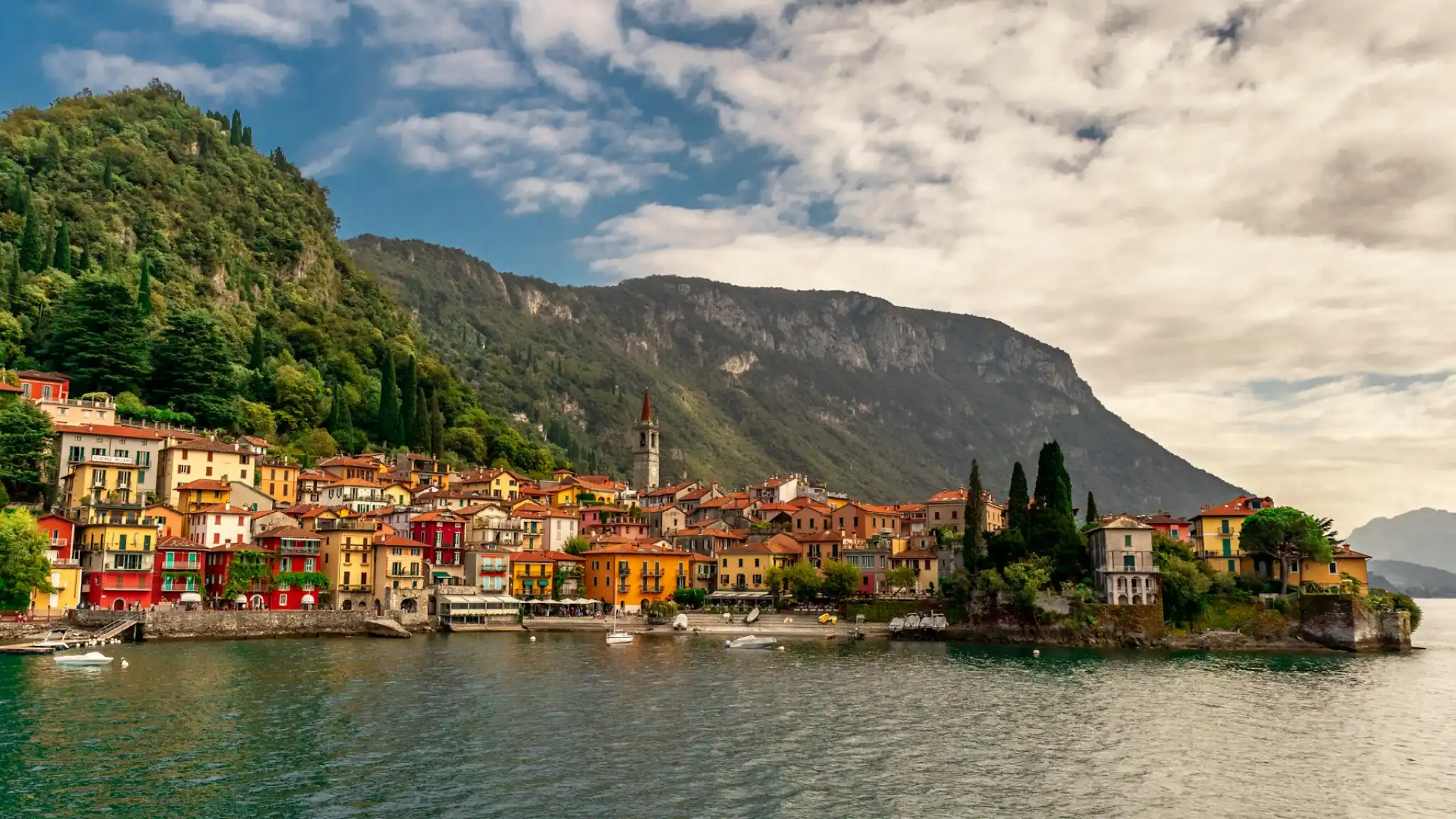
Structure your itinerary around a linear geographic flow to minimize transit fatigue. Italy’s elongated shape makes zigzagging inefficient; a North-to-South or South-to-North corridor ensures a natural progression of landscapes and climates.
The classic North-to-South route begins in Milan or Venice, moves through Florence and Rome, and concludes in Campania or Sicily. This direction aligns with summer wind patterns and allows you to transition from Alpine foothills to Mediterranean beaches. High-speed Frecciarossa trains connect these major hubs efficiently, while regional trains serve the countryside. Anchoring your route to these transport arteries reduces the stress of navigating unfamiliar local transit systems.
What to wear in Italy
Packing for Italy requires functional layering rather than fashion statements. The climate shifts dramatically from the humid heat of Rome to the crisp air of the Dolomites. Treat your suitcase as a modular system: breathable base layers, warming mid-layers, and a windproof outer shell. This approach keeps you comfortable whether you are walking cobblestone streets in July or catching an early train to Venice in November.
Church visits and cultural respect
Religious sites enforce strict dress codes. Shoulders and knees must be covered for both men and women at landmarks like the Duomo in Milan or St. Peter’s Basilica. Carry a lightweight scarf or shawl in your day bag to quickly convert casual attire into respectful wear. Avoid shorts, sleeveless tops, or mini-skirts in these spaces; security guards will turn you away, costing you valuable time.
Footwear for cobblestones
Your shoes must handle uneven cobblestones, gravel, and slick marble. Avoid high heels, flimsy sandals, or stiff new boots. Opt for broken-in walking shoes with good arch support or stylish sneakers that prioritize comfort. If you prefer dressier options, choose loafers or flat leather shoes with cushioned soles. You will likely walk 15,000 steps a day, so function must outweigh trends.
Layering for variable weather
Italian weather is unpredictable, particularly in spring and autumn. Mornings may be cool and foggy while afternoons turn warm. A light cardigan, denim jacket, or packable windbreaker allows for quick adjustments. In summer, choose linen and cotton for breathability. In winter, a wool coat or down vest provides warmth without bulk. Check local forecasts for your specific cities, as coastal areas like Naples remain milder than inland Florence.
The local aesthetic
Italians generally dress neatly and intentionally. While there is no strict code for casual streetwear, aiming for a polished, minimalist look helps you blend in. Dark jeans, a well-fitted t-shirt or blouse, and clean shoes are a safe default. This approach shows respect for local culture and makes you less of a target for pickpockets who often target obvious tourists.
Essential packing list
Define your constraints first, then compare realistic options. This section outlines the core items needed for a balanced trip, focusing on versatility and comfort.
- Versatile Footwear: One pair of broken-in walking sneakers and one pair of dressy flats or loafers.
- Layering Pieces: A lightweight scarf (for churches), a packable windbreaker, and a medium-weight sweater.
- Day Bag: A secure, cross-body bag with a zipper for daily excursions.
- Adapters: Type L or C power adapters for Italian outlets.
- Documents: Printed copies of reservations and digital copies of passports.
Best times to visit Italy
Choosing when to visit involves balancing budget against crowd tolerance. Italy is a year-round destination, but the experience shifts significantly between peak summer and shoulder months.
| Season | Weather | Crowds | Cost |
|---|---|---|---|
| Spring (Apr–May) | Mild, 15–22°C (59–72°F) | Moderate | Moderate |
| Summer (Jun–Aug) | Hot, 25–35°C+ (77–95°F+) | Very High | High |
| Autumn (Sep–Oct) | Warm, 18–25°C (64–77°F) | Moderate to High | Moderate |
| Winter (Nov–Mar) | Cool, 5–12°C (41–54°F) | Low | Low |
Spring offers balanced conditions for sightseeing. Temperatures are comfortable for walking, though April showers can be unpredictable. The countryside blooms, making rural drives through Tuscany scenic.
Summer brings intense heat and massive crowds in Rome, Florence, and coastal areas. Expect long lines and higher accommodation prices. Early morning or late evening activities are the best way to avoid midday heat and tourist groups.
Autumn, particularly September and October, is often ideal. Crowds thin out, weather remains warm, and harvest season brings fresh produce, wine, and truffles to local markets. It is also the best time for coastal travel before the sea cools.
Winter is quiet and affordable, especially in northern cities. While colder, you can enjoy museums without lines. Ski resorts in the Dolomites are active, and cities like Rome feel more intimate. Note that some coastal businesses close for the season.
Getting around Italy
Italy’s rail network is the backbone of an efficient itinerary. High-speed Frecciarossa and Italo trains connect Rome, Florence, Venice, and Milan at 180 mph, making intercity travel fast and comfortable. For city-to-city hops, trains are superior to driving, allowing you to avoid ZTL (limited traffic zones) and parking hassles in historic centers.
Renting a car is only recommended for rural exploration in Tuscany or Puglia. In cities, parking is scarce, expensive, and often restricted to residents. For local transit, use the clean metro systems in Rome and Milan, or walk in Florence’s compact center. Always validate paper tickets in yellow machines; fines for unvalidated tickets are steep.
Italy travel tips for 2026
Italy rewards those who plan ahead but also those who know when to stop. By booking key experiences early and respecting local rhythms, you can manage crowds and enhance your experience.
Book major sites well in advance
High-demand attractions like the Uffizi Gallery, the Colosseum, and the Duomo in Florence sell out weeks or months ahead. Book online in advance to secure specific entry slots and avoid long queues. Do not wait until you arrive.
Cut your itinerary in half
Italy is best experienced slowly. If your list of must-see places feels overwhelming, cut it in half. Spending more time in each destination allows you to savor the local atmosphere, enjoy longer meals, and discover hidden corners. This reduces travel fatigue and deepens your connection to the places you visit.
Respect local dining and dress norms
Dress codes matter in churches; cover shoulders and knees to avoid being turned away. In restaurants, tipping is not expected as a service charge (coperto) is usually included. Leaving small change for exceptional service is appreciated. Avoid eating in tourist-heavy zones right next to major monuments; walk a few blocks away for better quality and fairer prices.
No comments yet. Be the first to share your thoughts!