

Best times to visit Italy
Timing your trip to Italy means balancing weather, crowds, and budget. The sweet spot for most visitors is late spring (April–May) or early autumn (September–October), when temperatures are mild and the summer rush has not yet arrived or has already departed. These shoulder seasons offer the best balance of comfortable walking weather and accessible attractions.
Summer (June–August) brings long days and vibrant energy, but also intense heat and dense crowds. Cities like Rome and Florence become congested, and coastal areas swell with tourists. If you travel during these months, book accommodations and major attractions well in advance. Expect higher prices and shorter availability for popular restaurants.
Winter (November–March) is quiet and affordable, particularly in cities. Museums are easier to access, and hotels are cheaper. However, some coastal resorts in Sorrento and rural Tuscan agriturismos close for the season. Daylight hours are shorter, and rain is more common in the north. This is an ideal time for cultural immersion, food tours, and skiing in the Dolomites.
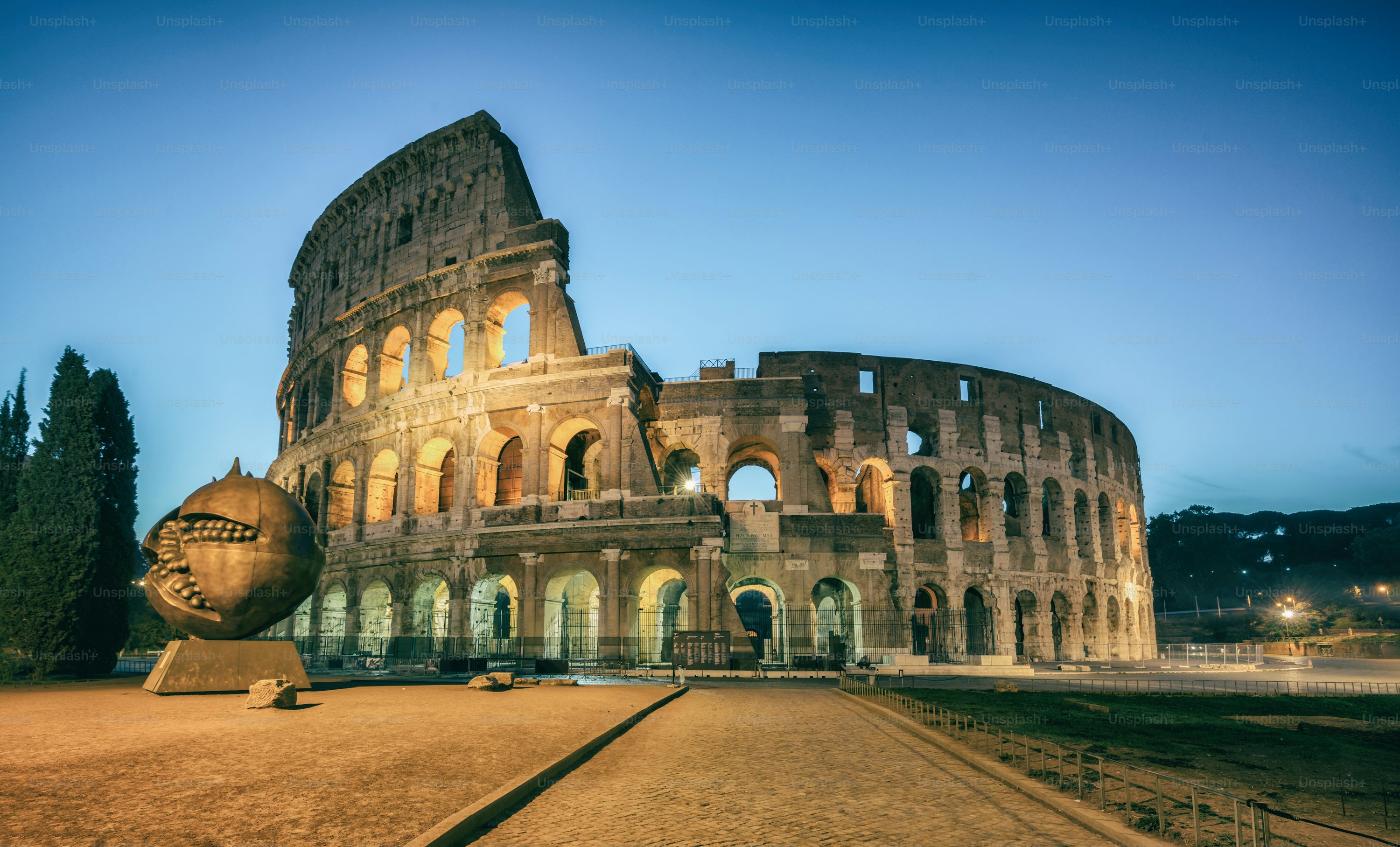
What to wear in Italy
Italy Travel works best as a clear sequence: define the constraint, compare the realistic options, test the tradeoff, and choose the path with the fewest hidden costs. That order keeps the advice usable instead of decorative.
After each step, pause long enough to check whether the recommendation still fits the reader's actual situation. If it depends on perfect timing, unusual access, or a best-case budget, include a simpler fallback.
The simplest way to use this section is to write down the real constraint first, compare each option against it, and choose the path that still works outside ideal conditions.
Packing essentials for Italy
Packing for Italy is less about what you can bring and more about what you can carry. The country’s infrastructure is charming but often physically demanding: cobblestone streets, steep hill towns, and historic buildings frequently lack elevators. Your luggage needs to be agile enough to navigate narrow train carriage aisles and small hotel rooms, yet sturdy enough to protect your belongings in crowded transit hubs.
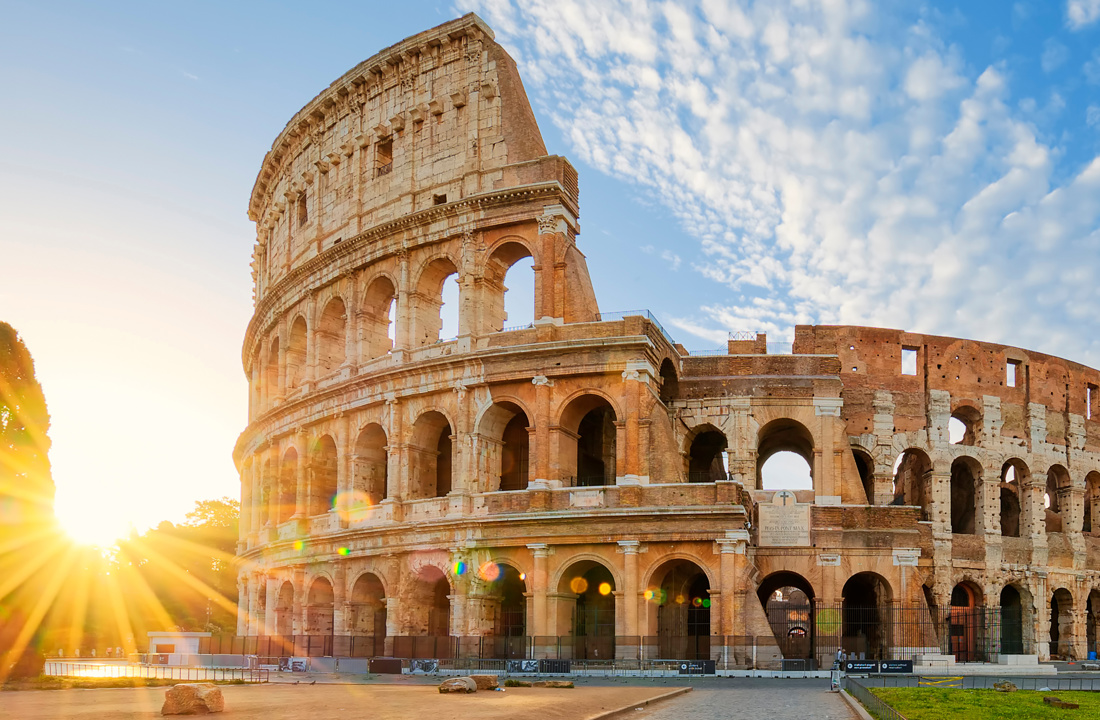
Essential Gear and Clothing
Start with a reliable power adapter. Italy uses Type L plugs, which have three pins in a row. While many modern electronics have universal chargers, carrying a dedicated adapter ensures you can charge your phone or camera without hunting for a compatible outlet in your hotel. A compact, portable power bank is equally critical, as you will likely be using your phone heavily for navigation, tickets, and translations throughout the day.
Clothing should prioritize versatility and modesty. Italy is home to the Vatican and countless historic churches where dress codes are strictly enforced. Pack lightweight layers that cover shoulders and knees for these visits, but choose breathable fabrics like linen or cotton to handle the summer heat. Avoid athletic wear or flip-flops for evening dining; Italians tend to dress smartly for dinner, and looking too casual can mark you immediately as a tourist.
Security is paramount in major cities like Rome, Florence, and Milan. Pickpocketing is common in crowded areas such as the Colosseum, Vatican Museums, and on busy trains. Use a cross-body bag with a zipper that stays close to your body, and consider a hidden money belt for your passport and extra cash. Never leave your bag unattended, even for a moment, at a café or train station.
The Packing Checklist
Use this checklist to ensure you have covered the basics before you head to the airport:
-
Type L power adapter (or universal travel adapter)
-
Portable power bank (10,000mAh+)
-
Cross-body bag with secure zippers
-
Comfortable walking shoes (broken-in)
-
Lightweight scarf or shawl (for church visits)
-
Reusable water bottle (Italy has safe tap water)
-
Copy of passport and travel insurance details
-
Small daypack for daily excursions
What to Leave Behind
While it might seem convenient, avoid packing heavy guidebooks or excessive shoes. You can download offline maps and guidebooks to your phone to save weight. Similarly, limit yourself to two pairs of shoes: one pair of comfortable walking shoes for sightseeing and one pair of versatile sandals or loafers for evenings. Trying to fit multiple outfits will only make navigating Italy’s trains and stairs more difficult.
Exploring Tuscany and Florence
Florence is the artistic heart of Italy, a city where museums and piazzas feel like open-air galleries. You can spend days wandering the Uffizi Gallery to see early Renaissance masters or simply watching the light hit the terracotta roofs from Piazzale Michelangelo. The city’s compact center is best explored on foot, allowing you to stumble upon hidden courtyards and small artisan workshops that define the local character.
Florence Itinerary Essentials
A practical route for your first day should start at the Duomo complex, but arrive before 8:30 AM to avoid the longest queues. From there, walk across the Ponte Vecchio to the Oltrarno district, where the vibe shifts from tourist-heavy to authentically local. Spend your afternoon in the Santo Spirito square, grabbing an aperitivo as the sun sets over the river. This area offers a more relaxed pace and better opportunities for people-watching.
For food, skip the restaurants immediately adjacent to major landmarks. Instead, head to the Mercato Centrale for a lunch of fresh pasta or panini, then wander the nearby streets. Dinner reservations are essential for popular spots, so book at least two days in advance. Local favorites often fill up quickly, and waiting in line can eat into your evening plans.
Day Trips to the Tuscan Countryside
Tuscany’s countryside is just a short train or bus ride away, offering a stark contrast to the urban energy of Florence. The Chianti region is famous for its rolling hills, vineyards, and medieval hill towns like Greve and Radda. A day trip here allows you to taste wine directly from the source and see how the landscape has shaped local culture for centuries.
If you prefer a more structured experience, consider a guided food tour that includes visits to olive oil producers and truffle hunters. These tours often provide context you won’t find in guidebooks, explaining the seasonal rhythms of agricultural life. Booking through local operators ensures you support the community directly and often provides access to smaller, family-run estates.
Practical Planning for Your Visit
Getting around Florence is straightforward thanks to its walkable center and efficient bus network. However, the historic zones are largely pedestrian-only, so pack comfortable shoes. Public transportation is reliable but can be crowded during peak season. For day trips, regional trains are the most cost-effective and scenic option, connecting you to towns like Siena and San Gimignano.
Accommodation in Florence varies widely in price and location. Staying near the Santa Maria Novella train station offers convenience for arrivals and departures, while the Oltrarno district provides a quieter, more residential feel. Budget travelers can find hostels and guesthouses, while those seeking luxury will find boutique hotels in historic palazzos. Always check if your hotel includes city tax in the final price.
Sorrento and the Amalfi Coast
Sorrento serves as the perfect gateway to the Amalfi Coast, offering a calmer base before venturing into the dramatic cliffs and colorful villages further south. The drive from Naples to Sorrento takes about an hour, with options ranging from the SITA bus to private transfers, depending on your budget and comfort level. Once in Sorrento, the town’s historic center provides a charming introduction to coastal Italian life, with narrow streets lined with lemon groves and artisan shops.
From Sorrento, the journey along the Amalfi Coast unfolds as a scenic drive or ferry ride, revealing breathtaking views of pastel-colored houses clinging to steep hillsides. The road itself is a highlight, winding along the coastline with sharp turns and panoramic vistas that reward every mile. Popular stops include Positano, with its iconic vertical architecture, and Amalfi, the historic maritime republic that anchors the coast. Each village offers unique character, from Positano’s chic boutiques to Amalfi’s grand cathedral.
Local specialties like limoncello, made from the region’s famous lemons, are a must-try. Many producers offer tours where you can see the distillation process and sample fresh liqueur. The coastal cuisine emphasizes seafood, fresh pasta, and lemon-infused dishes, reflecting the area’s agricultural heritage. For practical planning, check ferry schedules for seasonal variations, as they often run less frequently in winter. The drive can be challenging for those uncomfortable with narrow, winding roads, so consider guided tours or public transport if needed.
Northern Italy and Renaissance cities
Northern Italy offers a distinct shift from the Mediterranean warmth of Tuscany and Sorrento. Here, the focus turns to the grandeur of the Renaissance, the industrial pulse of Milan, and the alpine drama of Lake Como. This region demands a different pacing—less about leisurely vineyard strolls and more about museum hours, train connections, and navigating crowded historic centers.
Milan and the Renaissance
Milan is often overlooked by tourists rushing between Venice and Florence, but it holds some of Italy’s most significant Renaissance heritage. The city’s artistic peak is anchored by Leonardo da Vinci’s The Last Supper in the Santa Maria delle Grazie convent. Booking this months in advance is non-negotiable; tickets sell out instantly. Beyond the fresco, the Duomo di Milano rises as a Gothic masterpiece that also houses Renaissance art, offering panoramic views of the Alps on clear days.
For practical travel, Milan serves as a major transport hub. Use it as a base to explore the Lombardy region or as a gateway to Lake Como. The city’s fashion district, the Quadrilatero della Moda, is worth a window-shop stroll, but the real value lies in its history. Allocate one full day for the Duomo and the Last Supper, and half a day for the Sforza Castle and its courtyards.
Venice: The Floating Museum
Venice is not just a city; it is an open-air museum built on water. The primary draw is the architectural harmony of the Grand Canal and the intricate network of canals. St. Mark’s Square and the Basilica di San Marco showcase Byzantine and Renaissance influences, while the Doge’s Palace offers a glimpse into the political power of the Venetian Republic.
To avoid the crushing crowds that define the midday experience, arrive early or stay late. The best way to navigate is on foot; the metro system is limited to the mainland. A vaporetto (water bus) pass is useful for longer distances, but getting lost in the calli (alleys) is part of the charm. Be wary of inflated prices in restaurants directly on St. Mark’s Square; walk two blocks inland for authentic cicchetti (Venetian tapas) at fair prices.
Lake Como and Alpine Context
Lake Como provides a serene counterpoint to the urban intensity of Milan and Venice. This alpine lake, shaped like an inverted Y, is surrounded by villas with centuries-old gardens and dramatic mountain backdrops. The towns of Bellagio, Varenna, and Como itself offer distinct atmospheres. Bellagio sits at the intersection of the lake’s three arms, offering the most iconic views. Varenna is quieter and more residential, while Como town is larger and more accessible.
Reaching the lake from Milan takes about one hour by train to Como San Giovanni, followed by a bus or ferry. Ferries are the best way to hop between towns, offering both utility and sightseeing. For a deeper dive, consider a guided tour of Villa del Balbianello on the western shore, known for its gardens and film history. The region is cooler in summer, making it a pleasant escape from the heat of southern Italy.
Practical Route and Timing
A logical flow for this region is Milan → Lake Como → Venice. This minimizes backtracking and leverages the efficient rail network. Milan to Venice takes roughly 2.5 hours by high-speed train. Venice to Milan takes about 2 hours. Lake Como is best visited as a stopover between Milan and Venice or vice versa.
Spring (April-May) and autumn (September-October) offer the best weather and fewer crowds. Summer brings heat and heavy tourism, particularly in Venice. Winter is quiet but can be foggy and cold, especially on the lake. Book accommodations in Venice well in advance, as supply is limited. In Milan and Lake Como, last-minute bookings are often feasible, except during fashion weeks and major holidays.
Essential Travel Checklist
-
Book The Last Supper tickets 2-3 months in advance.
-
Purchase a Venice travel card for vaporetto access.
-
Reserve high-speed train tickets between Milan and Venice.
-
Check ferry schedules for Lake Como towns.
-
Pack comfortable walking shoes for cobblestone streets.
-
Verify opening hours for museums, which vary by season.
How many days are needed for Northern Italy?
Dedicate at least 5-7 days to cover Milan, Lake Como, and Venice comfortably. This allows for one day in Milan, one day on Lake Como, and two days in Venice, with travel days in between.
Is it better to stay in Milan or Lake Como?
Stay in Milan for one night to see the Duomo and Last Supper. Then move to Lake Como for 1-2 nights to enjoy the scenery and towns. Finally, head to Venice for 2-3 nights. This split maximizes both city and nature experiences.
What is the best way to get from Milan to Venice?
Take a high-speed train (Frecciarossa or Italo). The journey takes about 2.5-3 hours and is faster and more comfortable than driving. Trains depart frequently from Milano Centrale station.
When is the best time to visit Lake Como?
May and June, or September and October, are ideal. These months offer mild weather and manageable tourist numbers. July and August are hot and crowded, while winter can be chilly and some villas may have reduced hours.
Getting around Italy by train
Italy’s rail network is the most efficient way to connect the country’s major hubs. The system is divided into high-speed Frecciarossa and Italo trains for long distances, and regional trains for shorter hops. For most travelers, getting around Italy by train is faster and less stressful than driving, especially when navigating city centers where traffic and limited access zones (ZTLs) can be confusing.
High-Speed vs. Regional Trains
High-speed trains (Frecciarossa, Italo, Frecciargento) connect Rome, Florence, Venice, and Naples in under three hours. These require seat reservations and fixed prices. Regional trains (Regionale, Regionale Veloce) do not require reservations and offer flexible, pay-as-you-go fares. They are slower but ideal for short distances, such as Florence to Pisa or Rome to Tivoli.
Booking Tips and Tickets
Book high-speed trains in advance for the best prices. Prices rise as the travel date approaches. Use official apps like Trenitalia or Italo Treno for booking. Regional tickets can be bought at station kiosks or machines just before boarding. Always validate regional tickets in the green or yellow stamping machines before boarding to avoid fines.
Major Routes
The primary rail lines form a network connecting the north and south. Rome to Florence takes about 1.5 hours. Florence to Venice takes 2 hours. Rome to Naples takes 1.5 hours. Venice to Milan takes 2.5 hours. These routes are frequent and reliable.
Essential Italy travel tips
Italy rewards patience and preparation. The most effective way to experience the country is to slow down. Instead of rushing through ten cities, cut your list in half and spend more time in each destination. This approach lets you savor the local rhythm rather than just ticking boxes.
Pre-trip checklist
Secure your logistics before you arrive. High-speed trains and popular museums often sell out weeks in advance. Ensure you have a European plug adapter, travel insurance that covers medical emergencies, and digital copies of your passport. Booking ahead saves time and money.
-
Book high-speed train tickets (Trenitalia or Italo)
-
Reserve timed entries for the Colosseum and Uffizi
-
Download offline maps for Rome, Florence, and Venice
-
Pack a universal adapter and power bank
-
Verify travel insurance covers medical and trip delays
Safety and money-saving strategies
Pickpocketing is the most common crime in tourist hubs like Rome and Naples. Keep wallets in front pockets or inside zipped bags. Avoid flashing expensive jewelry or phones on crowded public transport. For dining, skip restaurants with picture menus outside major squares. Walk a few blocks away for better quality and lower prices.
Know the local norms
Italians value leisurely meals and coffee rituals. Espresso is drunk standing at the bar, not lingered over for an hour. Tipping is not mandatory; rounding up the bill or leaving small change is sufficient. Respect quiet hours in residential areas after 10 PM, and always greet shopkeepers with a "Buongiorno" or "Buonasera."
No comments yet. Be the first to share your thoughts!