

Plan the route
Italy Packing works best as a clear sequence: define the constraint, compare the realistic options, test the tradeoff, and choose the path with the fewest hidden costs. That order keeps the advice usable instead of decorative. After each step, pause long enough to check whether the recommendation still fits the reader's actual situation. If it depends on perfect timing, unusual access, or a best-case budget, include a simpler fallback.
Stops worth prioritizing
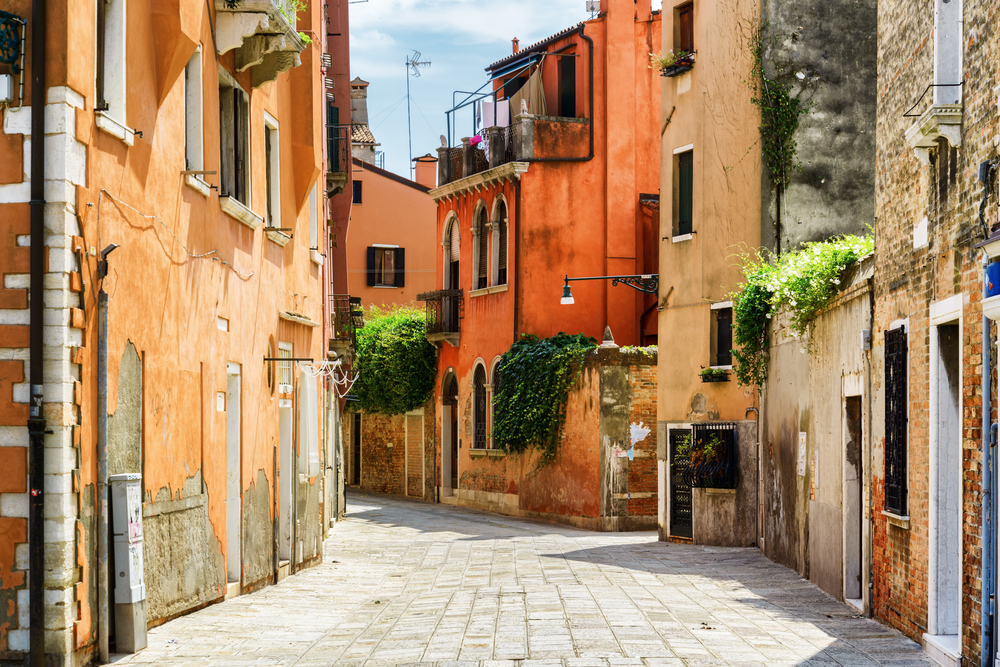
Italy’s summer heat and crowds demand a focused itinerary. Trying to cover too much ground leads to burnout and missed moments. Instead, treat your trip like a museum visit: spend more time in fewer rooms. Prioritize destinations that anchor your route, leaving optional detours for flexibility.
Rome, Florence, and Venice form the classic triangle. These cities offer the highest density of world-class art and history. However, they also attract the heaviest tourist traffic. Book tickets for the Colosseum and Uffizi Gallery weeks in advance. This pre-booking is not a suggestion; it is a requirement for entry.
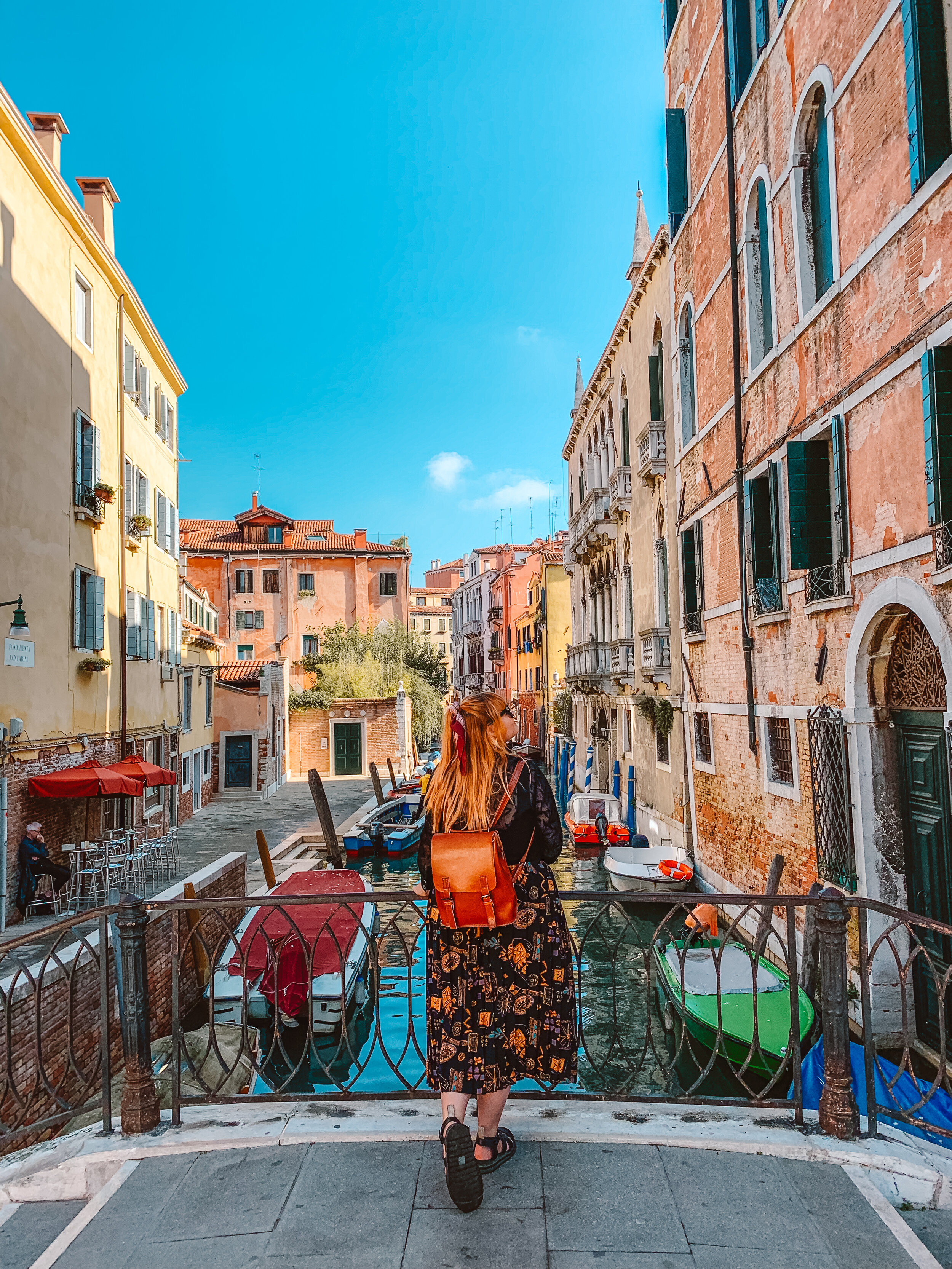
Consider the trade-offs between major hubs and smaller towns. Venice offers unmatched atmosphere but suffers from extreme congestion. Florence is compact and walkable, yet its center can feel overwhelming in August. Rome is sprawling, requiring strategic transit use to avoid midday heat exhaustion.
For a balanced experience, pair one major city with a quieter regional base. This approach reduces transit fatigue and provides a respite from the summer rush. Use the table below to compare the core priorities against optional side trips.
| Destination | Priority | Best For | Summer Caveat |
|---|---|---|---|
| Rome | Must-see | Ancient history & Vatican | Extreme heat; book skip-the-line tickets |
| Florence | Must-see | Renaissance art & architecture | Crowded museums; visit early morning |
| Venice | Must-see | Canals & unique atmosphere | High water risk; ferry delays common |
| Cinque Terre | Optional | Coastal hiking & villages | Trains fill up; hike in cooler hours |
| Bologna | Optional | Food & relaxed pace | Hotter inland; less tourist infrastructure |
Map of Italian Highlights
This map highlights the primary stops for a summer itinerary. It visualizes the geographic spread of the must-see cities and suggests logical transit connections.
Timing and logistics
Italy runs on a schedule that is often invisible to visitors until they miss it. The primary hurdle isn't just getting around; it’s coordinating the rhythm of transit, parking, and entry reservations around a country that values efficiency over convenience. If you treat Italy like a grid, you will waste hours. If you treat it like a series of timed events, you will save them.
Parking in historic centers
Most Italian cities have ZTL zones (Zona a Traffico Limitato), restricted traffic areas where only residents and registered vehicles can drive. If you enter a ZTL without authorization, you will receive a fine by mail, often with administrative fees that triple the original cost.
If you are renting a car, park outside the ZTL boundary and use a paid garage. Walking from the outskirts is rarely more than twenty minutes and often more scenic than driving through narrow, congested streets. In cities like Florence or Rome, leaving the car in the hotel garage (if available) and taking a taxi or train for the day is almost always cheaper and less stressful than dealing with urban parking.
Transit and ticketing
Public transit in major hubs like Milan, Rome, and Naples is reliable but crowded. Trains are the backbone of inter-city travel, but they are not always punctual during summer strikes or heatwaves.
Always validate your ticket before boarding regional trains (Regionale) at the yellow or green machines on the platform. Failing to stamp a paper ticket is a common mistake that results in a hefty on-board fine. For high-speed trains (Frecciarossa, Italo), your e-ticket is sufficient, but arrive at the station at least 20 minutes early to find the correct platform, which can change last minute.
Reservations and pre-booking
The days of walking up to the Colosseum or the Uffizi Gallery and buying a ticket are gone. During peak summer, popular sites sell out weeks in advance. Book entry tickets online as soon as your dates are confirmed. This applies to major museums, but also to popular restaurants in tourist-heavy areas.
A simple reservation saves you from spending two hours in line under the sun. For smaller churches and sites, check opening hours online; many close for riposo (afternoon rest) between 1:00 PM and 4:00 PM, or are closed on Mondays.
Timing your day
Italians eat late. Lunch is typically 1:00 PM to 2:30 PM, and dinner rarely starts before 8:00 PM. Trying to eat at 6:00 PM will leave you in an empty room or a kitchen that only serves pre-made food.
Plan your sightseeing for the early morning (8:00 AM–11:00 AM) when sites are open and crowds are thin. Use the midday heat for indoor museums, shopping, or a long lunch. Save the evening for walking, aperitivo, and dinner. This rhythm aligns with local life and avoids the worst of the summer heat.
Italy travel: what to check next
Planning a trip to Italy involves more than just picking a suitcase. You need to navigate heat, crowds, and local etiquette. Here are the practical answers to the most common questions travelers ask before booking.
No comments yet. Be the first to share your thoughts!