

Where to start in Italy
Choosing where to start in Italy depends entirely on the rhythm you want for your trip. The country is long and diverse, so picking a single region as your entry point helps you avoid wasting days on high-speed trains when you could be exploring. Most travelers land in Rome or Milan, but your actual first stop should align with your primary interest: art, coast, or mountains.
Tuscany for Art and Wine
If you want to start with Renaissance art, rolling vineyards, and medieval hill towns, begin in Tuscany. Florence is the obvious anchor, offering world-class museums and architecture that define the Italian aesthetic. From there, you can easily day-trip to Siena or San Gimignano. This region is best visited in spring or early autumn to avoid the intense summer heat and crowds that choke the main attractions.
Sorrento for Coast and Culture
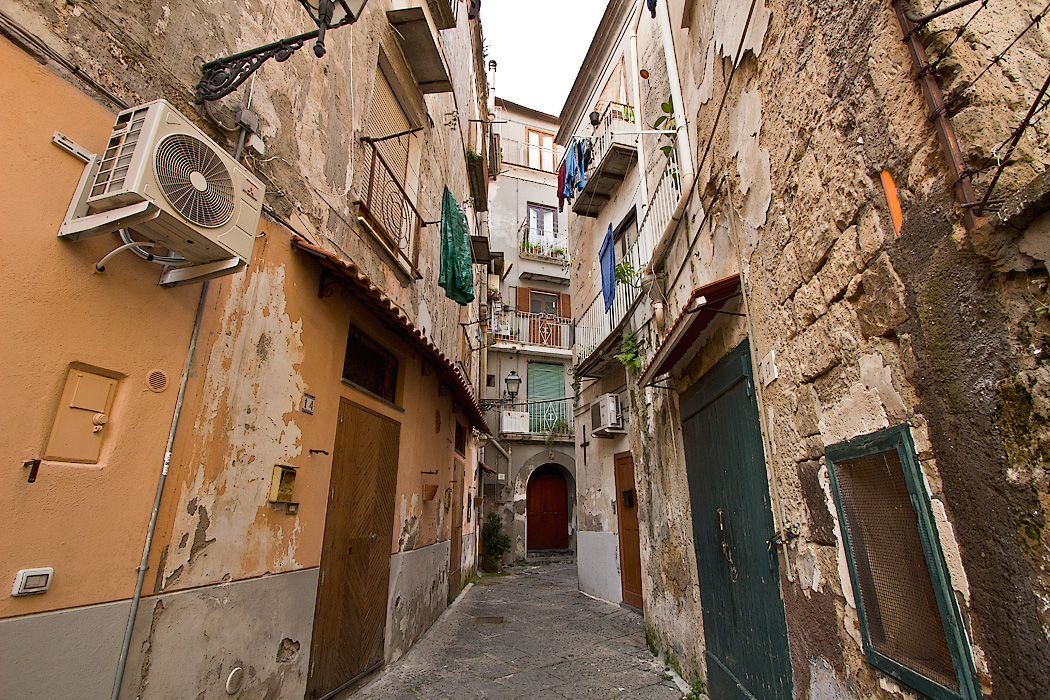
For a slower pace centered on the sea, start in Sorrento. This town in Campania serves as a perfect gateway to the Amalfi Coast, Capri, and Pompeii. The vibe here is distinctly different from the north: warmer, louder, and more focused on seafood and lemon groves. Starting here allows you to soak up the Mediterranean atmosphere immediately, though you should book ferries and coastal train tickets well in advance during peak season.
Northern Italy for Mountains and Lakes
Travelers who prefer crisp air, alpine scenery, or canals should fly directly into Milan or Venice. Northern Italy offers a mix of dramatic landscapes like the Dolomites and the Lakes District, alongside the urban energy of Milan. If you choose this route, allocate time for a train up to Lake Como or a drive through the Stelvio Pass. The food here is richer, featuring butter, polenta, and risotto, distinct from the olive oil-heavy cuisine of the south.
Quick Comparison
| Region | Best For | Vibe | Travel Pace |
|---|---|---|---|
| Tuscany | Art, wine, history | Relaxed, cultural | Moderate |
| Sorrento | Coast, islands, food | Lively, scenic | Leisurely |
| Northern Italy | Mountains, lakes, cities | Energetic, scenic | Active |
Start your journey in the region that matches your energy. You can always connect the dots later, but getting the first few days right sets the tone for the entire trip.
Tuscany travel highlights
Tuscany is a region best explored by car, allowing you to move between the Renaissance grandeur of Florence, the medieval hill town of Siena, and the rolling hills of the Val d’Orcia. While public transport connects the major cities, it rarely reaches the smaller agriturismos or the winding roads that define the countryside. A rental car gives you the freedom to stop at a vineyard or a roadside olive oil producer whenever the mood strikes, turning a simple drive into a destination itself.
In Florence, the Duomo and Uffizi Gallery demand advance booking. Without tickets purchased weeks ahead, you will spend more time in line than in art galleries. Once inside, dress modestly; shoulders and knees must be covered. Carry a light scarf in your bag, as strict security guards at major churches will deny entry to anyone in tank tops or short shorts, regardless of the heat outside. The same rule applies to Siena’s Duomo and any rural parish you might visit.
The Val d’Orcia offers a different pace. This UNESCO World Heritage landscape of cypress-lined roads and golden fields is ideal for slow driving. Start early to beat the tour buses that descend on Pienza and Montalcino by mid-morning. Lunch here is a leisurely affair—expect two-course meals that last two hours. Pack a picnic of local pecorino cheese, salami, and warm bread to enjoy by the Orcia river if you prefer a quieter, more intimate experience with the scenery.
Sorrento travel logistics
Italy Travel works best as a clear sequence: define the constraint, compare the realistic options, test the tradeoff, and choose the path with the fewest hidden costs. That order keeps the advice usable instead of decorative. After each step, pause long enough to check whether the recommendation still fits the reader's actual situation. If it depends on perfect timing, unusual access, or a best-case budget, include a simpler fallback.
The simplest way to use this section is to write down the real constraint first, compare each option against it, and choose the path that still works outside ideal conditions.
Northern Italy Renaissance spots
Italy Travel works best as a clear sequence: define the constraint, compare the realistic options, test the tradeoff, and choose the path with the fewest hidden costs. That order keeps the advice usable instead of decorative. After each step, pause long enough to check whether the recommendation still fits the reader's actual situation. If it depends on perfect timing, unusual access, or a best-case budget, include a simpler fallback.
The simplest way to use this section is to write down the real constraint first, compare each option against it, and choose the path that still works outside ideal conditions.
What to wear and pack for Italy
Packing for Italy is less about following fashion rules and more about preparing for movement. You will walk far more than you expect, often on uneven cobblestones, so comfort is the primary requirement. Your wardrobe should prioritize breathable fabrics and layers that adapt to shifting temperatures, from cool morning air to warm afternoon sun.
Church attire and modesty
Modesty is essential when visiting religious sites. Italy is home to thousands of churches, many of which enforce strict dress codes. Both men and women must cover their shoulders and knees. Avoid tank tops, shorts, and mini-skirts. A lightweight scarf is a versatile tool; it can double as a shawl for entry or a head covering if needed. Most major sites, like the Duomo in Milan or St. Peter’s Basilica, have staff at entrances to check attire, so dressing appropriately prevents awkward delays.
Footwear for cobblestones
Skip the heels and stiff new shoes. The historic centers of cities like Florence, Rome, and San Gimignano are paved with uneven stones that can trip you up. Choose broken-in walking shoes, supportive sneakers, or high-quality leather sandals with good grip. You want footwear that looks polished enough for dinner but performs well on long days of sightseeing. Pack blister plasters just in case.
Seasonal layering
Italy’s weather varies significantly by region and season. In Tuscany and Northern Italy, spring and autumn can be unpredictable. Bring a light jacket or cardigan that packs easily. In Sorrento and the coast, summers are hot and humid, so linen and cotton are your best friends. Winter requires warmer coats, especially in the north where snow is possible. Always check the local forecast for your specific destinations a few days before departure.
The Essentials Checklist
Don’t overpack. A carry-on is often sufficient if you plan wisely. Here are the non-negotiables:
- Universal power adapter (Type L plugs are standard in Italy)
- Comfortable walking shoes
- Modest clothing for church visits
- Light layers for temperature changes
- Reusable water bottle
- Cross-body bag for security
- Sunscreen and hat
- Portable phone charger
Italy travel tips and costs
Planning a trip to Italy requires balancing ambition with reality. The country’s infrastructure is excellent, but the pace of life is deliberately slow. Rushing through multiple cities in a single week often leads to burnout rather than enjoyment. Embracing la dolce vita means spending time in fewer places, allowing you to absorb the atmosphere rather than just checking landmarks off a list. This approach not only reduces stress but often lowers costs by avoiding expensive last-minute bookings.
Budgeting for Italy varies wildly depending on your style. A tight budget of $1,000 for a week is possible but requires camping, hostels, and self-catering, leaving little room for museum entries or sit-down meals. Conversely, a luxury experience with high-end hotels and private tours can easily exceed $10,000 for a short stay. For most travelers, a comfortable mid-range budget of $150–$200 per day covers decent accommodation, meals, and transport, providing a realistic baseline for planning.
Cultural etiquette is just as important as your itinerary. Dressing modestly is essential when visiting churches; cover your shoulders and knees, or carry a light scarf. Tipping is not mandatory as service charges are often included, but leaving small change for good service is appreciated. Avoid drinking cappuccino after 11 AM, as locals view it as a breakfast-only drink. Finally, always validate your train tickets before boarding regional trains to avoid hefty fines from inspectors.
No comments yet. Be the first to share your thoughts!