

Plan the route
Italy Packing & Style works best as a clear sequence: define the constraint, compare the realistic options, test the tradeoff, and choose the path with the fewest hidden costs. That order keeps the advice usable instead of decorative. After each step, pause long enough to check whether the recommendation still fits the reader's actual situation. If it depends on perfect timing, unusual access, or a best-case budget, include a simpler fallback.
Stops worth prioritizing
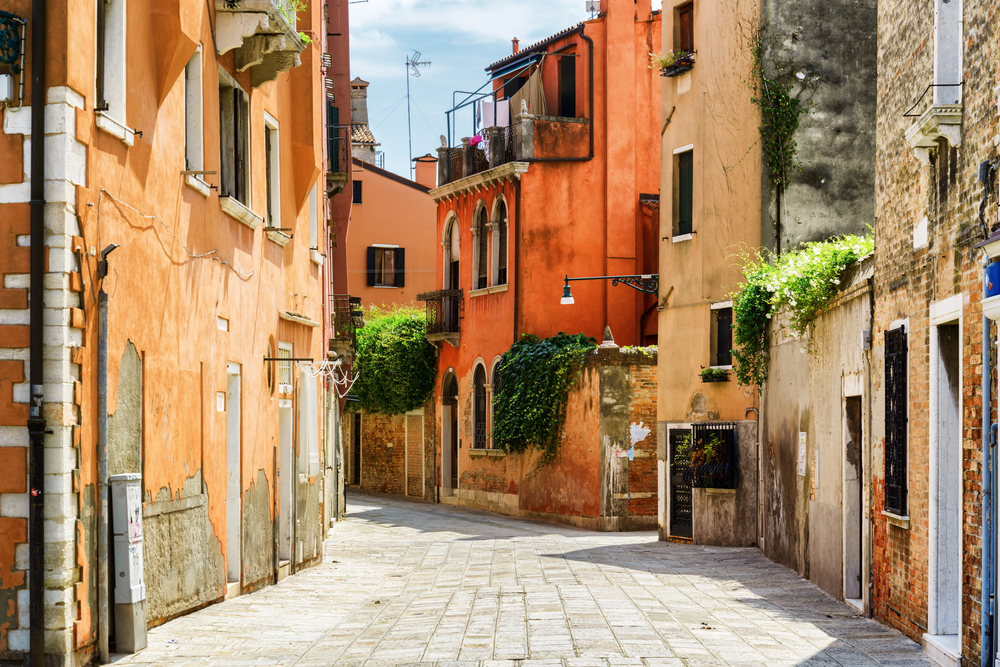
Italy’s major routes are dense with history, but trying to cover every corner leads to burnout. The difference between a relaxed trip and a rushed one often comes down to which stops you commit to and which you leave for a future visit. In Tuscany, Sorrento, and Northern Italy, the "must-see" list is long, but the practical reality is that you can only truly absorb a few key locations without feeling like you’re just checking boxes.
Consider your itinerary like a menu: you don’t need every dish to enjoy the meal, but skipping the main course leaves you hungry. Focus on the cities that anchor your region and use smaller towns as day trips or overnight escapes rather than primary destinations. This approach reduces transit time and gives you space to actually experience the local rhythm.
The following breakdown separates the essential hubs from the optional detours. Use this table to decide where to book your accommodation and where to just pass through.
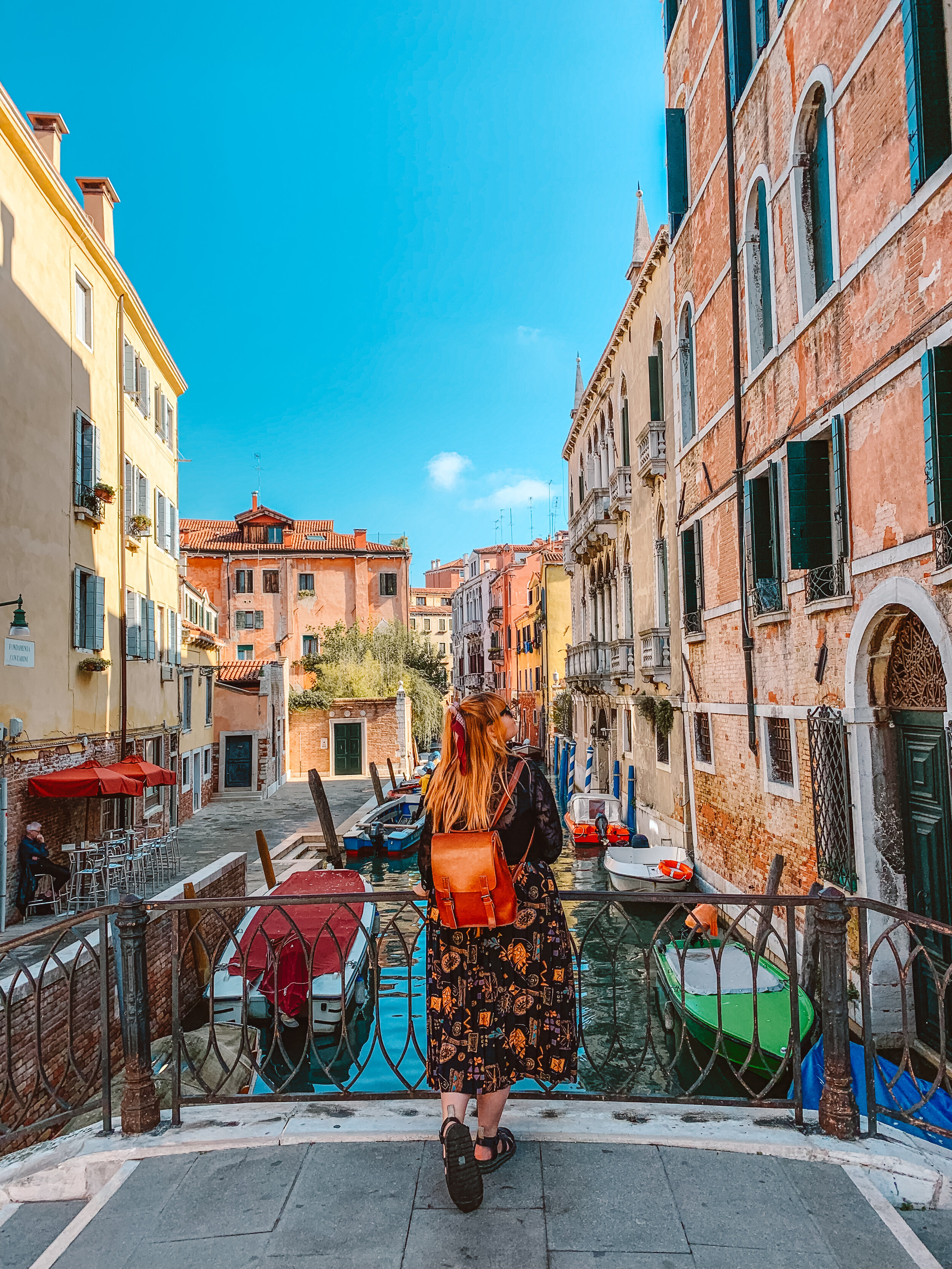
Florence and Venice are non-negotiable for first-time visitors, but they require booking months in advance for major sites like the Uffizi and St. Mark’s Basilica. Sorrento serves as the perfect logistical hub for the Amalfi Coast, offering better value and availability than the coastal towns themselves. The optional stops, like the Chianti region or Cinque Terre, are beautiful but add significant transit complexity. Only include them if you have extra days and a rental car or are comfortable with frequent train changes.
Map
Prioritizing fewer stops allows you to slow down. Instead of rushing from one museum to the next, you’ll have time to sit in a piazza with an espresso or wander without a strict schedule. This is how you avoid the tourist fatigue that plagues many Italian itineraries.
Timing and logistics
Italy’s travel infrastructure is efficient but operates on tight schedules. The difference between a smooth trip and a stressful one often comes down to how you handle reservations and transit windows.
Parking in historic centers
Most Italian cities have ZTL (Zona a Traffico Limitato) zones where only residents and permitted vehicles can drive. If you rent a car, park it outside the ZTL and use local buses or taxis. Driving inside without permission results in heavy fines and points added to your license.
Train reservations
High-speed trains (Frecciarossa, Italo) require specific seat reservations. You cannot just buy a ticket at the station on the day of travel. Book these 60–90 days in advance for the best prices. Regional trains (Regionale) do not require reservations and are more flexible, but they are slower.
Booking popular sites
Attractions like the Uffizi Gallery, Colosseum, or Vatican Museums often sell out weeks in advance. Secure tickets online before you arrive. Walking up without a reservation usually means waiting in long lines or being turned away.
Daily timing
Many smaller shops and museums close between 1:00 PM and 4:00 PM (riposo). Plan your museum visits for the morning or late afternoon. Dinner is typically served after 8:00 PM, and restaurants may not accept reservations for large groups without notice.
Italy travel: what to check next
Before you pack your bags for Tuscany, Sorrento, or Northern Italy, here are the practical answers to the most common objections travelers face.
What should I pack for Italian weather and culture?
Pack layers, not just heavy coats. Northern Italy (Venice, Milan) gets chilly and damp even in spring, while Tuscany and Sorrento can be hot and humid. Crucially, bring modest clothing for churches: shoulders and knees must be covered. Leave the flip-flops at home; they are frowned upon in cities and fancy restaurants. Comfortable walking shoes are non-negotiable for cobblestone streets.
Do I need to book attractions in advance?
Yes, absolutely. Popular sites like the Colosseum, Vatican Museums, and Uffizi Gallery sell out weeks or months ahead. Do not assume you can just show up. Book tickets online as soon as your dates are set. For day trips, such as to Pompeii or the Cinque Terre, pre-booking trains and entry tickets saves hours of waiting in line.
Is it safe to travel in Italy?
Italy is generally safe for tourists, but pickpocketing is common in crowded hubs like Rome’s Termini station, the Colosseum, and busy tram lines in Milan. Keep valuables in front pockets or cross-body bags. Avoid flashing expensive jewelry or phones in tourist traps. Violent crime against tourists is rare, but stay aware of your surroundings, especially at night in larger cities.
Can I drink the tap water in Italy?
Yes, in most northern and central cities, including Milan, Florence, and Rome, tap water is safe and often excellent. Many cities have public drinking fountains (nasoni) with clean, cold water. You can refill your bottle for free. In some southern areas or smaller islands, water may be bottled or desalinated; locals will advise you if it’s not potable. Carry a reusable bottle to save money and reduce plastic waste.
No comments yet. Be the first to share your thoughts!