

Plan your Italy route
Connecting Northern Italy, Tuscany, and the Sorrento Peninsula requires a southward flow. Attempting to zigzag between these regions wastes time on high-speed rail transfers and city commutes. A logical itinerary moves from the Alps and lakes down through the Arno Valley, then south to the Amalfi Coast.
Start in Northern Italy. Milan and Venice are major entry points, but consider starting in the lakes region (Como or Garda) for a relaxed start. From there, take a high-speed Frecciarossa train to Florence. This leg takes about two hours and drops you directly into the heart of Tuscany.
Spend three to four days in Tuscany. Base yourself in Florence for art and history, or take day trips to Siena, San Gimignano, and the Chianti wine region. Avoid renting a car in Florence; the historic center is a limited traffic zone (ZTL) with heavy fines. Use regional trains or organized tours for hill towns.
From Florence, travel south to Naples. This is the gateway to Sorrento. The train ride takes approximately three hours. From Naples Central Station, take the Circumvesuviana train or a private transfer to Sorrento. This final leg places you on the Amalfi Coast, ready for boat trips or coastal drives.
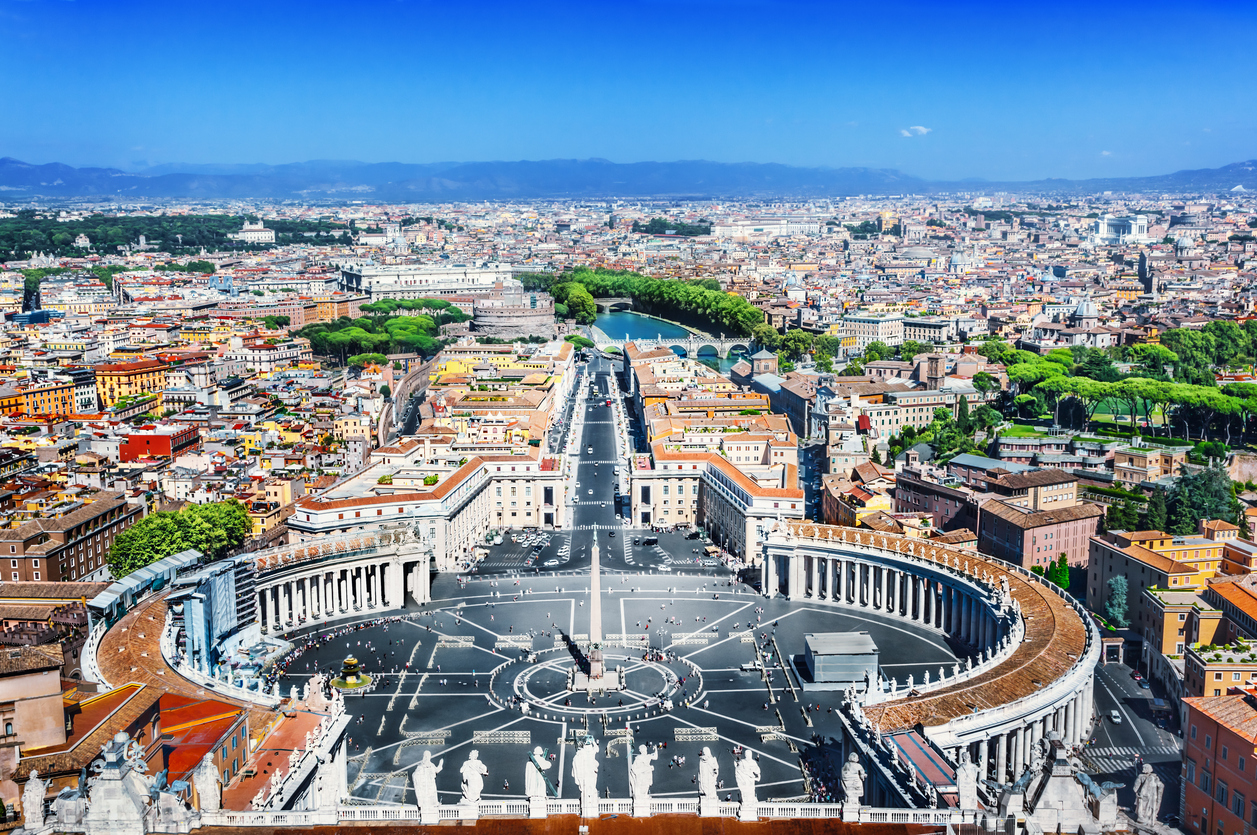
This geographic flow minimizes backtracking. You move generally north to south, following the spine of the country. This approach simplifies luggage handling and reduces travel fatigue. Book high-speed train tickets in advance for better prices, especially for the Florence to Naples segment.
What to wear in Italy
Packing for Italy requires balancing comfort for walking with respect for local dress codes. Italians generally dress neatly and avoid wearing athletic gear or overly casual items in urban settings. Your wardrobe should shift slightly depending on whether you are exploring the rolling hills of Tuscany, the coastal streets of Sorrento, or the historic canals of Northern Italy.
For daytime sightseeing, lightweight, breathable fabrics are essential, especially in the summer months. In Tuscany, where you will likely be walking on uneven cobblestones and visiting vineyards, sturdy sandals or comfortable walking shoes are non-negotiable. In Sorrento and other coastal areas, linen shirts, casual trousers, and sundresses are appropriate and keep you cool. Avoid flip-flops outside of the beach or pool area, as they are often viewed as too casual for town streets.
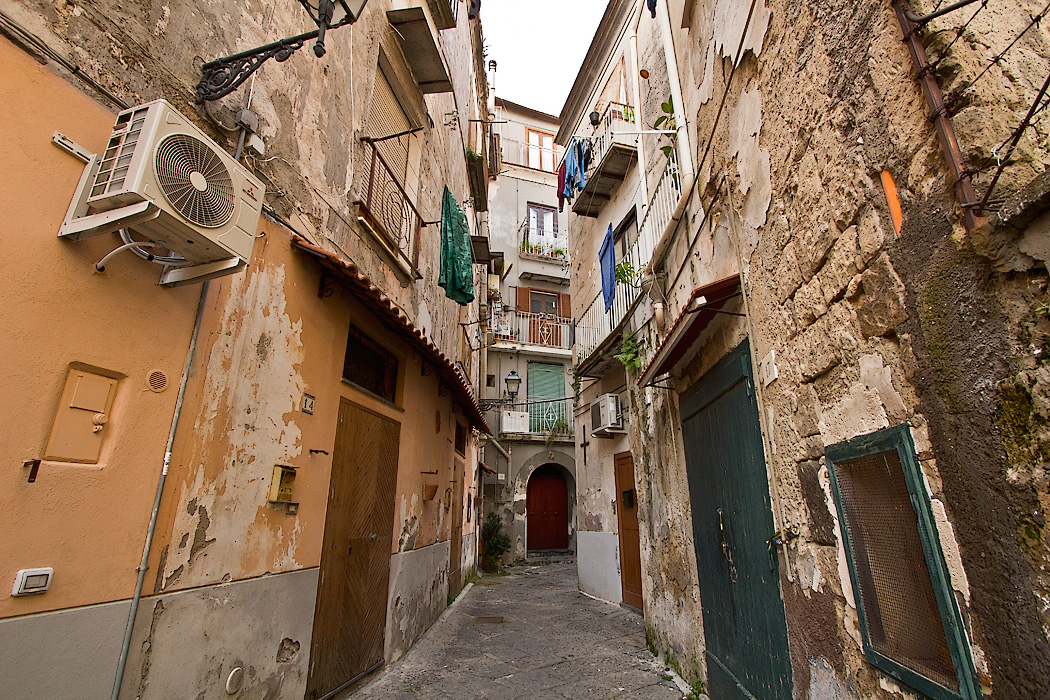
Evenings call for a smarter look. Dinner in Italy is a social event, and locals tend to dress up. In Northern Italy, particularly Milan and Venice, fashion-conscious locals expect you to look polished. A simple blazer, a nice blouse, or dark jeans paired with a quality top is usually sufficient. In Rome and Florence, smart casual is the standard for most restaurants. Avoid gym shorts, tank tops, and ripped jeans for dinner.
When visiting religious sites, such as the Duomo in Milan or St. Peter's Basilica in the Vatican, modesty is mandatory. Shoulders and knees must be covered for both men and women. It is wise to keep a light scarf or shawl in your day bag. This allows you to enter these sites without having to leave your group or buy an expensive covering on-site. This rule applies year-round, even in the height of summer.
What to Pack for Italy
Packing for Italy requires balancing style with the physical demands of navigating historic cities and intercity transport. The goal is to move efficiently between regions like Tuscany, Sorrento, and Northern Italy without being weighed down by unnecessary bulk. Your luggage choice dictates your mobility, especially when using trains or navigating cobblestone streets.
Luggage for Train Travel
Stick to a carry-on sized backpack or a compact suitcase. Italian train stations, particularly older ones in Rome or Florence, often lack elevators. You will be climbing stairs and maneuvering through tight train corridors. A 40-45 liter backpack allows you to keep your hands free for tickets and coffee, while a small rolling suitcase works if you have a strong back and plan to use taxi services between stations.
Power and Connectivity
Italy uses Type F plugs, featuring two round pins. Bring a universal adapter with a ground pin, as many older B&Bs and historic hotels have limited outlets near the bed or desk. A slim power bank (10,000 mAh) is essential for long days of sightseeing in Sorrento or hiking in the Dolomites, where you will rely heavily on your phone for maps and translations. USB-C cables are standard, so pack one extra to avoid dead devices.
Footwear and Clothing
Comfort is non-negotiable. You will walk 15,000 steps a day on uneven surfaces. Bring broken-in walking shoes with good arch support and a pair of lightweight, breathable trousers or jeans. Avoid heavy winter coats unless visiting in January; layering with a light sweater and a packable rain jacket works for most seasons. For evenings in Tuscany or Northern Italy, smart-casual attire is appropriate for dinner, but avoid formal wear unless specified by your reservation.
Tuscany travel highlights
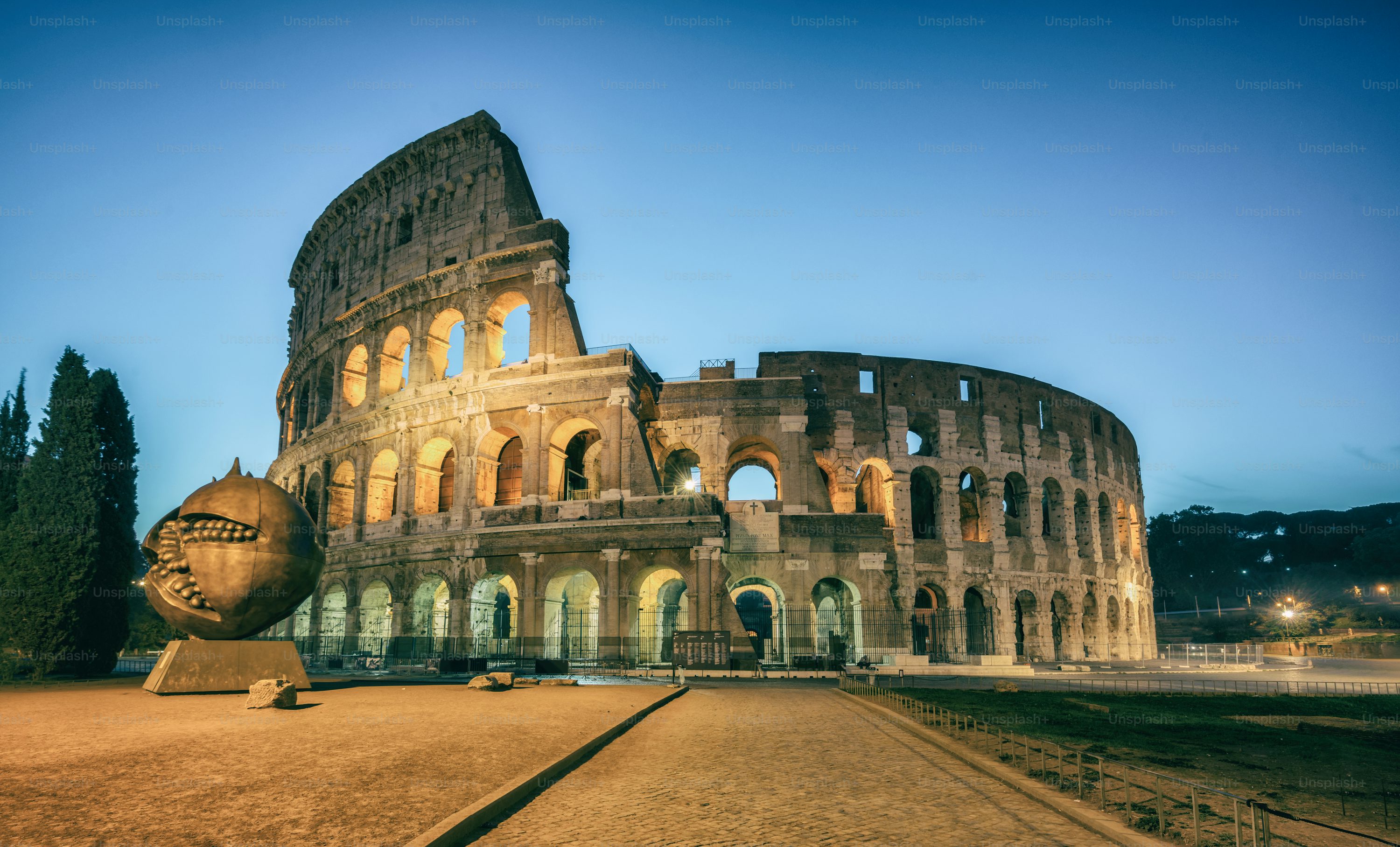
Tuscany operates as the cultural heart of Italy, defined by rolling hills, Renaissance art, and medieval hill towns. While Florence and Siena anchor the region’s most famous itineraries, the true value lies in balancing these crowded hubs with the quieter countryside. The landscape here is not just scenery; it is the infrastructure of local life, from wine production to olive oil harvesting.
Florence demands early mornings. The Uffizi Gallery and the Duomo draw millions, and arriving before 8:30 AM or after 4:00 PM helps avoid the peak congestion. Wear comfortable walking shoes with grip; the cobblestones (sampietrini) are uneven and slippery when wet. A light layer is essential, as museum interiors can be cool even in summer. Use the high-speed Frecciarossa train to reach Florence from Rome in under two hours, bypassing the slower regional services.
Siena offers a different pace. The Piazza del Campo, shaped like a seashell, is the social center of the city. Unlike Florence’s grand boulevards, Siena’s streets are narrow and winding, best explored on foot. The city hosts the Palio, a horse race held twice a year, but visiting outside those dates allows for a more relaxed exploration of the Gothic architecture and the Palazzo Pubblico.
Beyond the cities, the Val d’Orcia provides the quintessential Tuscan vista. Renting a car here is practical for reaching small towns like Pienza, known for its pecorino cheese, and Montalcino for its Brunello wine. Public transport exists but is infrequent; a vehicle gives you the flexibility to stop at agriturismos (farm stays) along the way. Pack a reusable water bottle; fountains with fresh, cold water are common in town squares.
Sorrento: The Amalfi Coast Base
Sorrento serves as the primary logistical hub for exploring the Amalfi Coast, offering a more relaxed pace than the crowded coastal towns while maintaining excellent transport links. The town is defined by its steep, narrow streets, lemon-scented air, and historic center, making it a comfortable place to stay even during peak season.
Getting Around and Transport
Ferries depart regularly from the Marina Piccola port to Positano, Amalfi, and Capri. This is often faster and more scenic than the winding coastal roads. SITA buses connect the town center to Sorrento’s train station and surrounding areas, but expect significant delays during summer months. Renting a car is generally discouraged for day trips due to limited parking and narrow, chaotic traffic on the Amalfi drive.
Local Vibe and Essentials
The atmosphere is anchored by Piazza Tasso, the main square where locals and tourists mingle. Dressing appropriately is important; while swimwear is fine for the beach, cover up when entering churches or dining in the evening. Bring comfortable walking shoes with good grip, as the cobblestones are uneven and steep.
Renaissance Northern Italy
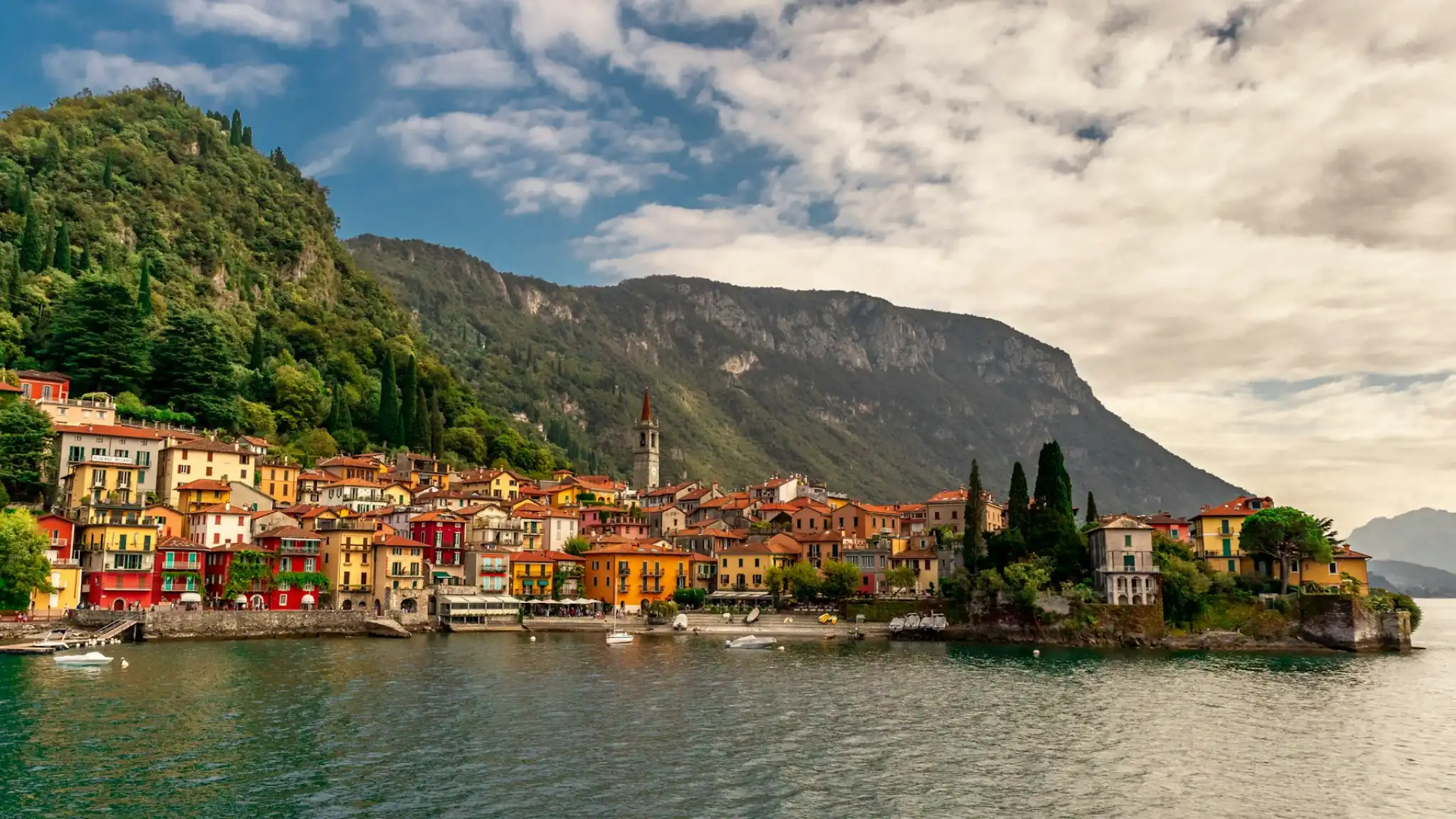
The artistic and historical significance of Northern Italy is anchored in three cities that define the region’s cultural legacy. Venice, Milan, and Verona each offer distinct Renaissance experiences, from Venetian colorism to Milanese Gothic architecture and Shakespearean history.
Venice stands apart with its unique blend of Byzantine and Gothic influences. The Doge’s Palace and St. Mark’s Basilica showcase centuries of wealth and power. For art lovers, the Gallerie dell’Accademia houses an unparalleled collection of Venetian Renaissance paintings.
Milan offers a different perspective with the Duomo, a masterpiece of Gothic architecture. The city’s artistic heritage is also visible in Leonardo da Vinci’s The Last Supper, housed in Santa Maria delle Grazie. Booking tickets months in advance is essential due to high demand.
Verona provides a more intimate setting. The city’s Roman amphitheater, the Arena, still hosts opera performances today. The historic center is compact, allowing visitors to walk between major sites like Juliet’s House and Piazza delle Erbe in under an hour.
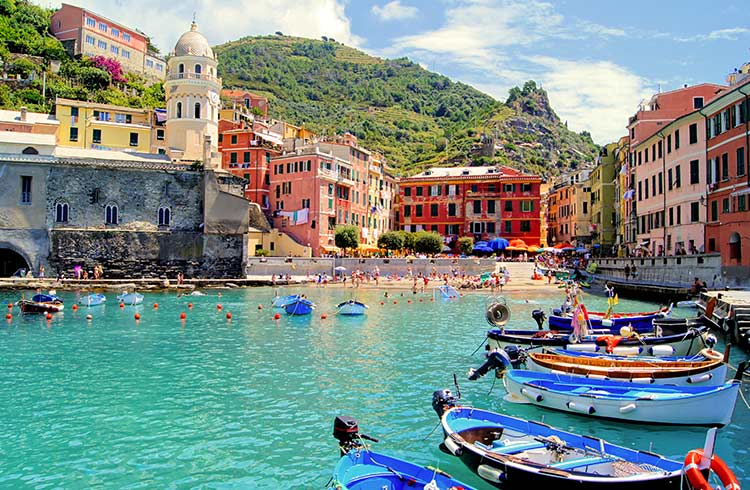
Transport between these cities is efficient. High-speed trains connect Milan and Venice in under three hours, while Verona is easily reachable from both via regional or intercity services. This makes a multi-city itinerary logistically straightforward.
For clothing, pack layers. Northern Italy can be cool even in spring and autumn. Comfortable walking shoes are non-negotiable, as historic centers feature cobblestones and limited vehicle access. A light rain jacket is also advisable, as weather can change quickly.
Italy Travel Costs and Practical Tips
Managing your budget in Italy requires understanding how costs shift between regions. Northern Italy, particularly Milan and Venice, commands premium prices for accommodation and dining, while Tuscany offers a wide spectrum from luxury agriturismos to modest B&Bs. Sorrento, sitting on the Amalfi Coast, is significantly more expensive than Naples just across the water.
To keep expenses in check, prioritize local transit over private transfers. Regional trains in Tuscany and the Veneto are affordable and scenic. In Sorrento, walking or using local buses is far cheaper than hiring taxis for short hops. Dining costs also vary; a sit-down meal in a tourist-heavy piazza in Florence or Sorrento can cost double what you pay in a neighborhood trattoria a few blocks away.
Cost Comparison by Region
The table below breaks down average daily costs for budget-conscious travelers across the three primary regions of this guide. Prices reflect moderate spending on mid-range accommodation, public transport, and meals.
| Region | Accommodation (Night) | Food (Day) | Local Transport (Day) |
|---|---|---|---|
| Northern Italy | €80–€150 | €30–€50 | €10–€20 |
| Tuscany | €70–€130 | €25–€45 | €8–€15 |
| Sorrento | €90–€180 | €35–€60 | €5–€15 |
Essential Do’s and Don’ts
Avoid the "coperto" trap. Most restaurants add a cover charge (€1–€3 per person) to your bill. This is standard and expected, but it means your final total will be higher than the menu price. Do not expect free bread or water; if you order still water, it is rarely free.
Dress code matters, especially in churches. In Florence’s Duomo or Rome’s St. Peter’s, bare shoulders and knees are strictly prohibited. Carry a light scarf or shawl in your day bag. In Sorrento and Tuscany, casual summer wear is fine during the day, but evenings in nicer venues often require smart-casual attire.
Finally, always validate your train tickets. In Northern Italy and Tuscany, regional train tickets must be stamped in the yellow or green machines before boarding. An unstamped ticket is considered invalid, even if it is for the correct date and time. Fines are steep and rarely waived.
Packing checklist for Italy
Packing for Italy requires balancing the comfort of long train rides with the respect of visiting historic sites. You will cover a lot of ground between the cobblestones of Florence, the steep hills of Tuscany, and the vibrant streets of Sorrento. The right gear makes the difference between a relaxed journey and a frustrating one.
Keep your passport, visa (if required), and travel insurance in a waterproof document holder. Store digital copies of these files in a secure cloud folder. You will need physical ID for train tickets and hotel check-ins across all regions.
Italy’s weather shifts quickly, especially in the hills. Pack light, breathable fabrics like linen or merino wool. A light jacket is essential for cool evenings in Tuscany and Sorrento, while a scarf can help cover shoulders for church visits.
Your feet are your primary transport in cities like Venice and Rome. Bring broken-in, supportive sneakers or walking sandals. Avoid flip-flops for daytime exploring, as they offer no support on uneven stone streets.
A secure, lightweight daypack is ideal for daily excursions. Italy uses Type L or C electrical plugs. Bring a universal adapter to keep your phone charged for maps and tickets while moving between cities.
No comments yet. Be the first to share your thoughts!