

Milan: The Renaissance Takes Root
Milan was an early Renaissance center, a transformation that began with the Visconti and blossomed under the Sforza, who arrived in 1450. As patrons of the arts, they sought out talent to enhance Milan’s prestige, shifting the city from Gothic to humanist ideals.
Leonardo da Vinci’s stays in Milan (1482-1499 and 1506) exemplify this artistic influx. Employed by the Sforza court as an engineer, inventor, and scientist, he left an indelible mark. While The Last Supper is the main draw, Milan offers more.
The Pinacoteca di Brera houses an impressive collection of Italian paintings by Raphael, Caravaggio, and Piero della Francesca. Its manageable size allows visitors to see highlights without feeling overwhelmed. The building itself is a fine example of neoclassical architecture.
The Castello Sforzesco, built by the Visconti and expanded by the Sforza, houses several museums displaying art from ancient to musical instruments. The castle’s grounds are pleasant for a stroll, and its architecture connects visitors to Milan's Renaissance past.
For a quieter experience, visit the Ambrosiana Library, home to the twelve-volume Codex Atlanticus of Leonardo da Vinci’s drawings and notes. Seeing his original sketches offers direct insight into his creative process. The library is a fine example of Renaissance architecture and scholarship.
Milan's Renaissance political climate was complex, with shifting alliances and power struggles. The Sforza family used art to legitimize their rule and project wealth and sophistication. Their patronage was a calculated investment in their power and legacy.
Bergamo’s Hidden Renaissance Gems
Bergamo, often bypassed by tourists traveling between Milan and Venice, holds significant Renaissance art, particularly in the Città Alta (Upper City). This area, with its medieval walls and Venetian fortifications, feels like stepping back in time.
Lorenzo Lotto, a Venetian painter active in Bergamo, left a lasting impact with his psychologically deep and detailed works, found in local churches and museums. His style is more introspective and nuanced than that of flamboyant Venetian masters.
The Cappella Colleoni, within the Basilica di Santa Maria Maggiore, showcases Renaissance architecture and sculpture. Commissioned by condottiero Bartolomeo Colleoni, it features intricate carvings and a striking façade, demonstrating the project's ambition.
The Basilica di Santa Maria Maggiore blends Romanesque and Renaissance styles. Its interior, adorned with frescoes and paintings, offers a glimpse into the region's artistic evolution and is a peaceful place to appreciate the art.
Bergamo offers a more intimate Renaissance experience than larger cities. Without huge crowds, visitors can connect with the art personally, slowing down to appreciate details. The art feels integrated into the city’s fabric.
Mantua: Gonzaga Power & Artistic Flourishing
Mantua, a UNESCO World Heritage site, was a Renaissance cultural center under the Gonzaga family. For nearly four centuries, the Gonzaga transformed Mantua into a hub for artists, poets, and musicians, shaping the city’s artistic and architectural character.
The Palazzo Ducale is the heart of Mantua’s Renaissance heritage. Within its walls lies the Camera degli Sposi, adorned with Andrea Mantegna’s frescoes depicting Gonzaga family life. These frescoes are a masterpiece of Renaissance art, showcasing Mantegna’s mastery of perspective and illusionism.
The Palazzo Te, built by Giulio Romano, a student of Raphael, is a striking example of Mannerist architecture. Its playful design and elaborate decorations depart from the High Renaissance classical style. Intended as a pleasure palace, its whimsical atmosphere remains palpable.
The Gonzaga family, skilled political strategists, used art to project authority, grandeur, and legitimacy, showcasing their wealth and sophistication. Their patronage was about politics and power as much as aesthetics.
Mantua's location, surrounded by lakes, contributed to its unique atmosphere. Its relative isolation allowed the Gonzaga to cultivate an independent and innovative court culture. The waterways provided natural defense, adding to the family’s security. Its UNESCO World Heritage status highlights its cultural significance.
Mantua Renaissance Highlights
- Camera degli Sposi - Andrea Mantegna’s masterpiece in the Ducal Palace, renowned for its illusionistic ceiling and depiction of the Gonzaga family. A pivotal work of the Early Renaissance.
- Frescoes in the Camera del Giglio - Also by Mantegna, these frescoes showcase his evolving style and provide further insight into court life at Mantua.
- Pisanello’s Frescoes in the Ducal Palace - Fragments of Pisanello’s work, particularly those depicting scenes of falconry and courtly life, demonstrate his innovative approach to realism and detail.
- Giulio Romano’s Palazzo Te - A stunning example of Mannerist architecture and decoration, showcasing Romano’s playful and dynamic style. Explore the Sala dei Giganti.
- The Basilica di Sant'Andrea - Leon Battista Alberti’s architectural design, a significant example of Renaissance church architecture, features a monumental facade and a harmonious interior.
- Works by Cosmè Tura - Explore paintings by Cosmè Tura, a key figure in the School of Ferrara, whose style influenced Mantuan art. Look for expressive faces and dramatic compositions.
- Mantua Cathedral (Duomo) - While incorporating elements from various periods, the cathedral houses Renaissance artworks and provides a glimpse into the city’s religious art history.
Verona: Beyond Romeo and Juliet
Verona is known for Shakespeare’s Romeo and Juliet, but its Renaissance art scene is also compelling, though often overshadowed. The city flourished during the Renaissance, benefiting from its strategic location and status as a trade center, a period of artistic innovation and growth.
Paolo Caliari, known as Veronese, was Verona’s most celebrated Renaissance painter. His large-scale, colorful paintings of biblical or mythological scenes feature dramatic compositions and lavish details, favoring a vibrant palette and theatrical style.
The Basilica di San Zeno Maggiore, primarily Romanesque, underwent Renaissance renovations, showcasing the transition between styles. Its bronze doors are a masterpiece of medieval craftsmanship, and its interior features Renaissance paintings and sculptures, offering a fascinating example of artistic blending.
Veronese’s style differed from other Renaissance masters in its emphasis on spectacle and grandeur. Less concerned with anatomical accuracy or philosophical depth, he focused on creating visually stunning and emotionally engaging works that celebrate life and beauty.
The Arena di Verona, a well-preserved Roman amphitheater, continued to host performances during the Renaissance. It stands as a testament to the city’s enduring cultural heritage and its ability to adapt historical structures.
Padua: Artistic Innovation & University Life
Padua’s Renaissance importance stemmed from its university, one of Europe’s oldest and most prestigious. The university attracted scholars and artists from across Italy, fostering intellectual and artistic innovation and creating a
The Scrovegni Chapel, decorated with Giotto’s frescoes, is Padua’s most famous artistic treasure. These frescoes, depicting scenes from the life of Christ and the Virgin Mary, are a landmark achievement in Western art, known for their emotional intensity and groundbreaking realism. They represent a departure from the more stylized conventions of medieval art.
The Palazzo della Ragione, a massive medieval palace, served as Padua’s town hall and court of law. Its vast hall, adorned with frescoes and sculptures, is a testament to the city’s civic pride and its commitment to justice. It’s a powerful symbol of Padua’s historical importance.
The close connection between the university and the artistic developments in Padua was crucial. Scholars and artists collaborated on projects, exchanging ideas and pushing the boundaries of knowledge and creativity. The university provided a fertile ground for experimentation and innovation.
Padua’s botanical garden, founded in 1545, is one of the oldest academic botanical gardens in the world. It played a significant role in the study of plants and their medicinal properties, contributing to the advancement of scientific knowledge. It’s a beautiful and peaceful oasis in the heart of the city.
Venice: The Culmination of a Style
Venice, the final destination on this trail, represents a unique culmination of Renaissance art. Unlike other Italian cities, Venice developed its own distinctive artistic style, shaped by its maritime republic status and its unique geographical setting. It wasn’t about replicating Florence or Rome; it was about forging its own path.
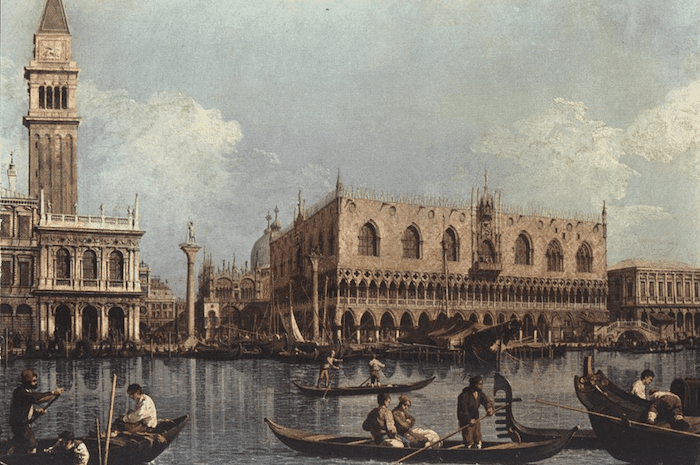
The Doge’s Palace, with its intricate Gothic architecture and lavish interiors, is a symbol of Venetian power and wealth. It served as the seat of government and the residence of the Doge, the elected ruler of Venice. Its opulent decorations and symbolic artwork reflect the city’s political and cultural ambitions.
The Gallerie dell'Accademia houses an extensive collection of Venetian paintings, spanning from the 14th to the 18th centuries. It’s the best place to see the works of Titian, Tintoretto, and Veronese, the three giants of Venetian Renaissance art. The collection provides a comprehensive overview of the city’s artistic evolution.
Titian, Tintoretto, and Veronese each brought a unique sensibility to Venetian painting. Titian was known for his masterful use of color and his sensual portraits. Tintoretto favored dramatic compositions and dynamic brushwork. Veronese excelled at creating grand, festive scenes filled with opulent details.
Venice’s maritime republic influenced its artistic expression in profound ways. The city’s wealth, derived from trade, allowed it to commission lavish works of art. Its cosmopolitan atmosphere attracted artists from all over Europe. And its unique geographical setting, surrounded by water, inspired a sense of fluidity and dynamism.
Today, Venice continues to be a center for artistic innovation, as evidenced by the Biennale, a prestigious international art exhibition. The Biennale showcases contemporary art from around the world, demonstrating Venice’s ongoing commitment to artistic experimentation and exchange.
Practicalities: Planning Your 2026 Trip
Planning a trip along the Renaissance art trail requires some forethought. Trains are the most efficient way to travel between cities, with high-speed connections available on many routes. Trenitalia and Italo are the two main train operators. Buses are a more affordable option, but they take longer. Renting a car gives you flexibility, but parking can be challenging and expensive in city centers.
Accommodation options range from budget-friendly hostels to luxurious hotels. Booking in advance is highly recommended, especially during peak season. Consider staying in smaller, family-run hotels for a more authentic experience. Airbnb is also a popular option, offering a wide range of apartments and rooms.
Booking museum tickets and tours in advance is essential, particularly for popular attractions like The Last Supper in Milan and the Scrovegni Chapel in Padua. Many museums offer online booking systems. Consider purchasing a museum pass to save money if you plan to visit multiple attractions.
The best time to visit Northern Italy is during the spring (April-May) or fall (September-October). The weather is pleasant, and the crowds are smaller than during the peak summer months. Summer (June-August) can be hot and crowded, while winter (November-March) can be cold and rainy.
Potential costs will vary depending on your travel style and preferences. Budget around €150-€300 per day for accommodation, food, transportation, and activities. Regional cuisine is a highlight—be sure to sample local specialties like risotto alla Milanese in Milan, polenta in Bergamo, and bigoli in Mantua. Don't forget to indulge in gelato!
Northern Italy Renaissance Art Trail: Train Travel Comparison (Milan to Venice)
| Route | High-Speed Train | Regional Train |
|---|---|---|
| Milan to Bergamo | Faster, more frequent departures | More stops, scenic route |
| Bergamo to Mantua | Requires changes, generally quicker overall | Direct options available, longer duration |
| Mantua to Verona | Limited direct options, potential for changes | Typically direct, slower pace |
| Verona to Padua | Frequent, relatively short journey | More affordable, but takes considerably longer |
| Padua to Venice | Very frequent, quick connection to Venice Santa Lucia | Slower, more local experience, may require a change at Mestre |
| Milan to Venice (Direct) | Available, but less frequent and potentially more expensive | Not typically a direct option; requires multiple transfers |
Qualitative comparison based on the article research brief. Confirm current product details in the official docs before making implementation choices.

No comments yet. Be the first to share your thoughts!