

Plan your route and timing
Italy rewards travelers who respect its geography. The country is long and narrow, stretching like a boot into the Mediterranean. Trying to cover the entire length in a short trip usually means spending more time in transit than exploring. A logical flow—either north-to-south or south-to-north—keeps your itinerary efficient and your energy high.
Starting in the north allows you to ease into the rhythm of Italian travel. Cities like Milan and Venice offer a fast-paced, cosmopolitan energy. From there, moving south through Tuscany brings a shift to rolling hills, vineyards, and slower-paced towns like Siena and Florence. The final leg down to Sorrento and the Amalfi Coast introduces the sea, dramatic cliffs, and a distinctly southern warmth. This geographic progression feels natural, mirroring the cultural shift from the industrial north to the leisurely south.
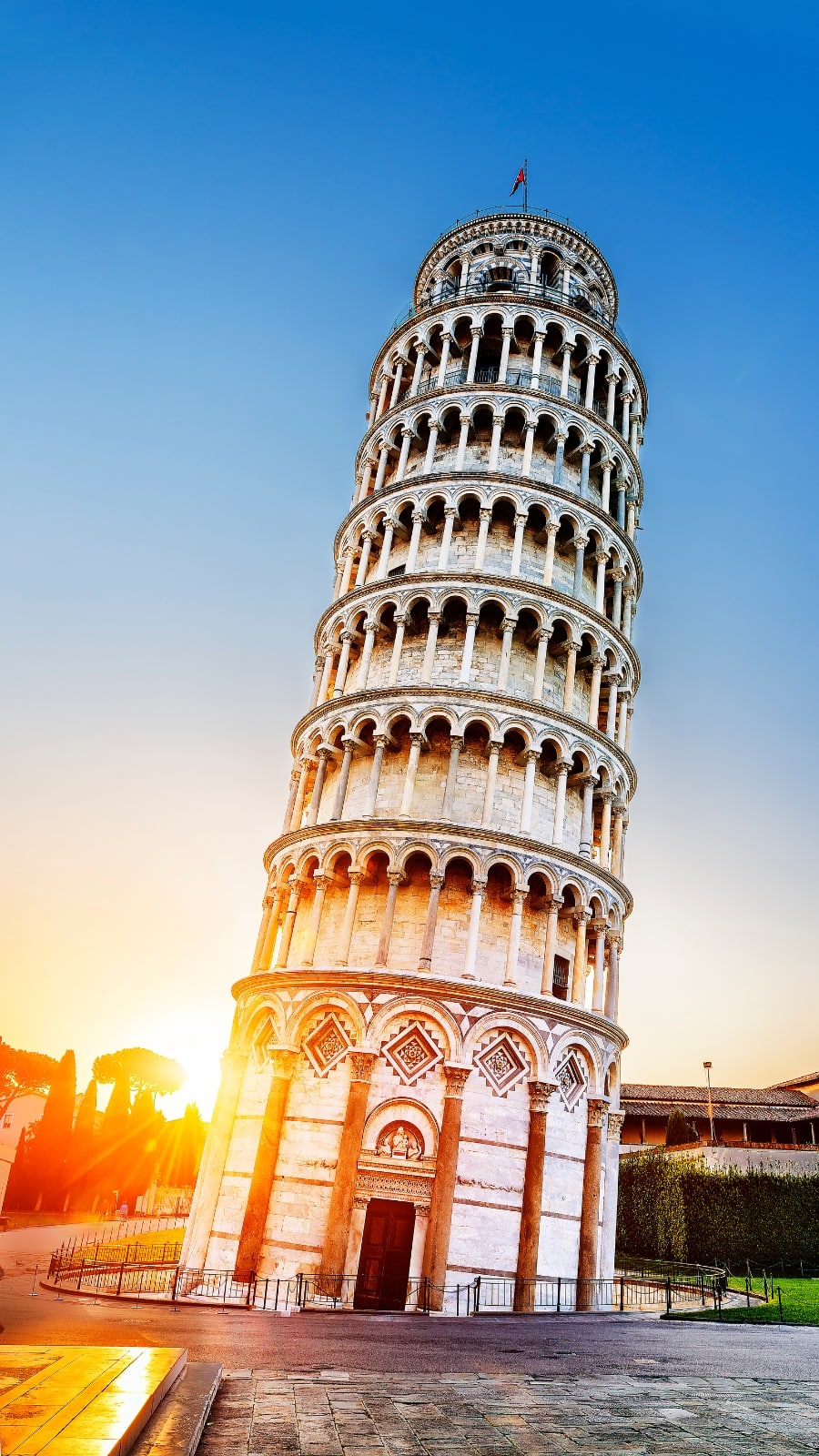
Timing your visit is just as critical as the route itself. July and August are peak months, bringing intense crowds and high prices, especially in popular destinations like Rome, Florence, and the Amalfi Coast. If you want to avoid the heat and the throngs, aim for the shoulder seasons. May and June offer warm, sunny days perfect for walking tours and coastal drives. September and October provide milder temperatures and harvest-season charm, particularly in Tuscany.
Map of the classic north-to-south route
This map outlines a efficient path from the alpine north down to the southern coast, connecting the major highlights of your trip.
What to wear in Italy
Dressing for Italy is less about following strict rules and more about respecting the setting. The goal is to blend in, stay comfortable, and show appreciation for the culture. You will notice a general preference for neat, understated style over loud logos or athletic wear, even in casual settings.
Churches and Religious Sites
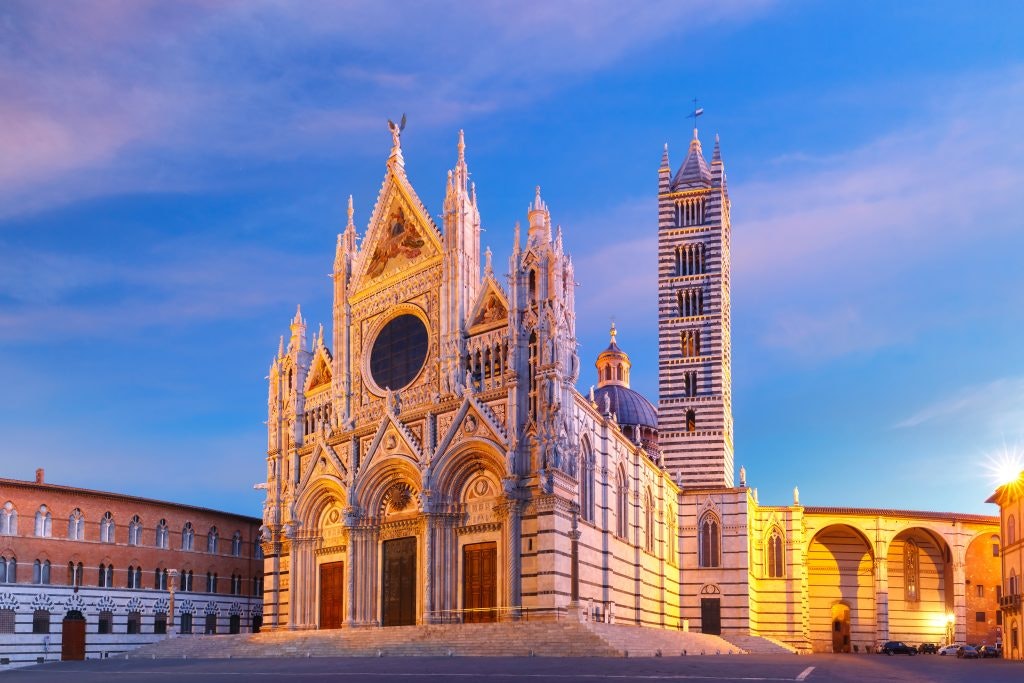
Dress codes for churches are strictly enforced in cities like Rome, Florence, and Venice. You must cover your shoulders and knees. This applies to both men and women. Sleeveless tops, short shorts, and mini-skirts are not permitted.
Carry a lightweight scarf or shawl in your day bag. It is the easiest way to convert a sleeveless top into a modest outfit when you encounter a cathedral. If you are wearing a sundress, ensure it falls below the knee. Some sites may deny entry if your attire is deemed inappropriate, so it is better to be safe than sorry.
Evening Dining and Nightlife
Italian evenings call for a step up in formality. While you do not need to pack a tuxedo or evening gown, "smart casual" is the standard. Men typically wear dark jeans or trousers with a collared shirt or a nice polo. Women often wear dresses, skirts, or stylish trousers with a blouse.
Avoid wearing sneakers, flip-flops, or athletic wear to dinner, especially in upscale restaurants or historic centers. In cities like Milan or Rome, looking put-together is part of the social experience. A simple blazer or a pair of leather loafers can elevate a basic outfit for the evening.
Comfort for Walking
Italy is a walking country. You will likely cover several miles a day on cobblestones, uneven pavement, and stairs. Comfort is non-negotiable. Prioritize supportive walking shoes or clean, stylish sneakers over fashionable but painful heels or flimsy sandals.
Pack light, breathable fabrics like linen or cotton, especially for Tuscany and Sorrento in the summer. Layers are essential for the variable weather in the North. A light jacket or cardigan works well for cooler evenings or air-conditioned museums. The right shoes will make the difference between enjoying your day and ending it with sore feet.
What to pack for Italy
Packing for Italy is less about covering every base and more about preparing for a specific rhythm. You will walk more than you realize, often on uneven cobblestones, and you will likely take multiple trains between cities. Your luggage should reflect this mobility, prioritizing versatility over variety.
Start with footwear. Comfortable walking shoes are non-negotiable. You will be navigating historic centers where sidewalks are often narrow or broken, and you will want to avoid the fatigue that comes from unsupportive soles. A pair of broken-in sneakers or sturdy walking sandals works for most seasons, while a lightweight pair of boots can handle rain in the north or cooler evenings in the hills.
Clothing should follow a layering system. Italian style leans toward neat, understated elegance, but comfort still wins. Think breathable fabrics like linen or cotton for summer, and wool blends for winter. A versatile jacket that works for a casual dinner and a chilly train ride is worth its weight in gold. Avoid overly touristic gear like fanny packs or loud logos; locals tend to dress more casually than guides suggest, but still with intention.
Don’t forget the small technical details. Italy uses Type L plugs, so bring an adapter or a universal one. A portable power bank is essential for long days of navigation and photography. Finally, pack a lightweight day bag for essentials like water, sunscreen, and your passport, keeping your main luggage secure in your hotel or hostel.
Explore Tuscany and the North
The Italy Travel works best as a clear sequence: define the constraint, compare the realistic options, test the tradeoff, and choose the path with the fewest hidden costs. That order keeps the advice usable instead of decorative. After each step, pause long enough to check whether the recommendation still fits the reader's actual situation. If it depends on perfect timing, unusual access, or a best-case budget, include a simpler fallback.
The simplest way to use this section is to write down the real constraint first, compare each option against it, and choose the path that still works outside ideal conditions.
Discover Sorrento and the Coast
The Italy Travel works best as a clear sequence: define the constraint, compare the realistic options, test the tradeoff, and choose the path with the fewest hidden costs. That order keeps the advice usable instead of decorative. After each step, pause long enough to check whether the recommendation still fits the reader's actual situation. If it depends on perfect timing, unusual access, or a best-case budget, include a simpler fallback.
The simplest way to use this section is to write down the real constraint first, compare each option against it, and choose the path that still works outside ideal conditions.
Essential Italy travel tips
Italy rewards travelers who plan ahead, especially when navigating the high-speed rail network between major hubs like Florence, Rome, and Venice. Booking Trenitalia or Italo trains in advance secures better fares and guarantees seating on crowded routes. While regional trains often allow flexible boarding, high-speed services require specific time slots. Pay close attention to the departure board upon arrival, as platforms can change last minute, but rest assured that most major stations are centrally located and easy to navigate.
Dining etiquette in Italy follows a relaxed but structured rhythm. Lunch typically runs from 12:30 to 2:30 pm, while dinner starts no earlier than 7:30 pm. Many kitchens close between these hours, so plan your meals accordingly to avoid closed doors. Water is often served in bottles with a charge; ask for "acqua del rubinetto" if you prefer tap water, though it may not always be available. Tipping is not mandatory as service is included, but leaving small change for good service is appreciated.
Money management is straightforward, with credit cards accepted in most urban establishments, though cash remains king in smaller towns, rural B&Bs, and for small purchases like coffee or bus tickets. Always carry some euros for these situations. Regarding crowds, the intensity in places like the Colosseum or Venice’s canals is real. To maintain a comfortable pace, balance your time in major cities with day trips to smaller nearby towns. This approach reduces congestion stress and offers a more authentic glimpse into local life.
-
Book high-speed trains in advance for best prices
-
Reserve timed entry for major museums and landmarks
-
Download offline maps for areas with spotty signal
-
Check passport validity (6+ months beyond stay)
Common questions about Italy travel
Travelers planning a trip to Tuscany, Sorrento, or the Italian North often have practical concerns about safety, budget, and logistics. Here are answers to the most frequent questions to help you plan a smoother journey.
For more detailed packing lists or itinerary ideas, check out our Tuscany guide or Sorrento travel tips.
No comments yet. Be the first to share your thoughts!