

Plan the route
Italy Travel works best as a clear sequence: define the constraint, compare the realistic options, test the tradeoff, and choose the path with the fewest hidden costs. That order keeps the advice usable instead of decorative.
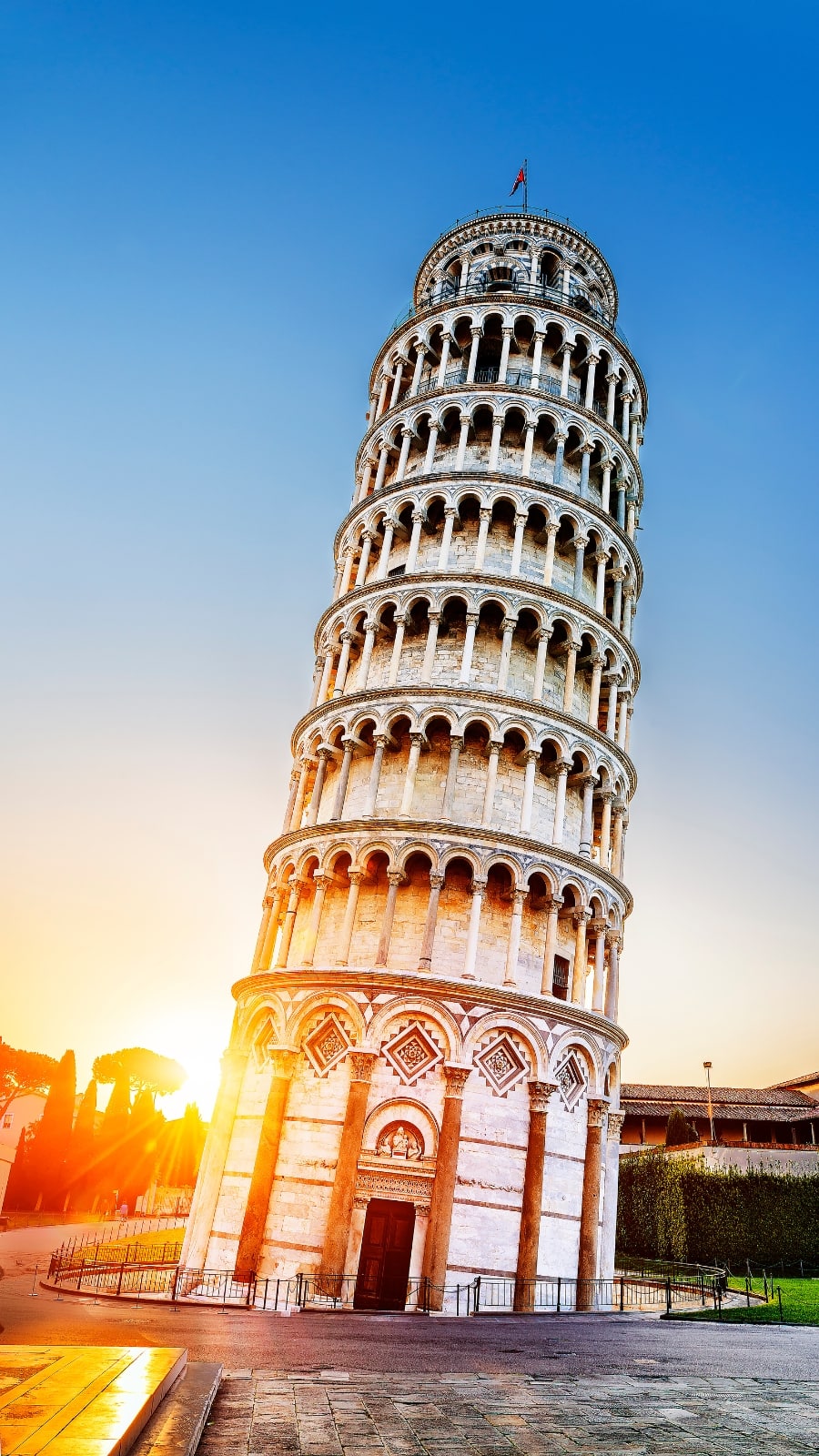
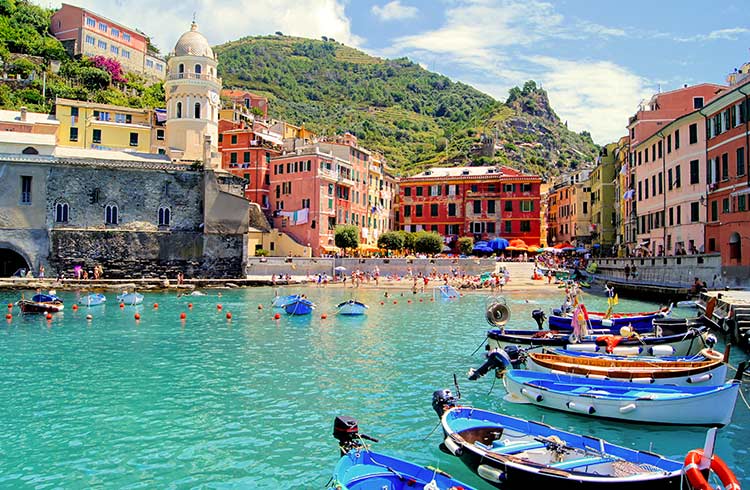
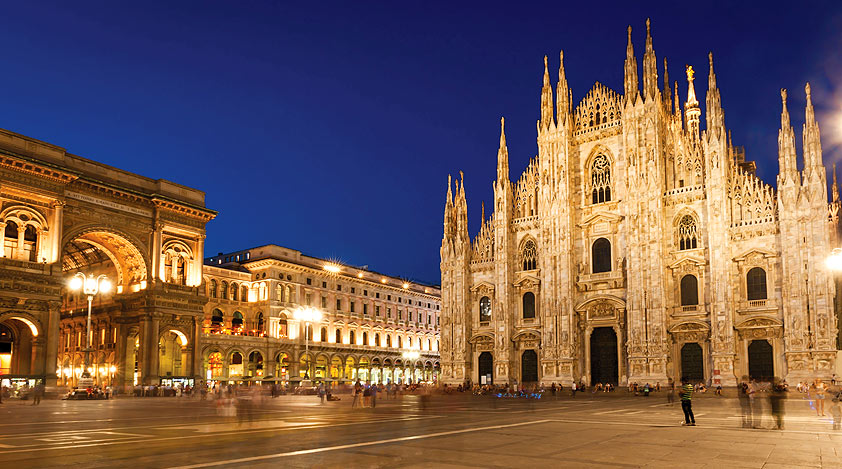
Stops worth prioritizing
Italy Travel works best as a clear sequence: define the constraint, compare the realistic options, test the tradeoff, and choose the path with the fewest hidden costs. That order keeps the advice usable instead of decorative.
| Factor | What to check | Why it matters |
|---|---|---|
| Fit | Match the option to the primary use case. | A good deal still fails if it does not fit the job. |
| Condition | Verify age, wear, and service history. | Hidden condition issues erase upfront savings. |
| Cost | Compare purchase price with likely upkeep. | The cheapest option is not always the lowest-cost option. |
Timing and logistics
Italy’s infrastructure is excellent but operates on a distinct rhythm. The difference between a smooth trip and a stressful one often comes down to how you handle reservations and transit windows. Treat your itinerary like a train schedule, not a suggestion box.
Booking ahead: non-negotiable for popular sites
You cannot walk into the Uffizi Gallery, the Colosseum, or the Duomo in Florence and expect immediate entry during peak season. Tickets sell out weeks in advance. Book these specific attractions online before you land. For museums, this is the only way to guarantee entry. For popular restaurants in Tuscany or Sorrento, a reservation is essential for dinner service; walk-ins are often turned away after 8 PM.
Transit: trains over cars
For inter-city travel, high-speed trains (Frecciarossa or Italo) are faster and less stressful than driving. They connect Rome, Florence, Venice, and Milan directly. Buy tickets in advance for the best rates. However, once you are in regions like Tuscany or the Amalfi Coast, public transit can be sparse or infrequent. If you plan to explore rural vineyards or coastal villages, renting a car is practical, but be prepared for narrow roads and limited parking.
Parking and ZTL zones
If you drive, you will encounter ZTL (Zona a Traffico Limitato) zones in almost every historic Italian city center. These are restricted traffic areas where only residents and permitted vehicles can enter. Cameras enforce these zones 24/7. Fines are automatic and mailed to your rental company, who then bill you with hefty administrative fees. Stay outside the ZTL walls and park in designated lots. It is safer and often cheaper than risking a fine.
Pacing and the midday break
Italy moves slower than most travelers expect. Many shops, museums, and smaller businesses close for riposo (rest) between 1:00 PM and 4:00 PM. Plan your heavy sightseeing for the morning. Use the afternoon for a long lunch, a nap, or exploring a park. Trying to cram six hours of museum time into one day will leave you exhausted and miss the cultural nuance of the experience. Spread your activities across the day rather than rushing through them.
Italy travel: what to check next
No comments yet. Be the first to share your thoughts!