
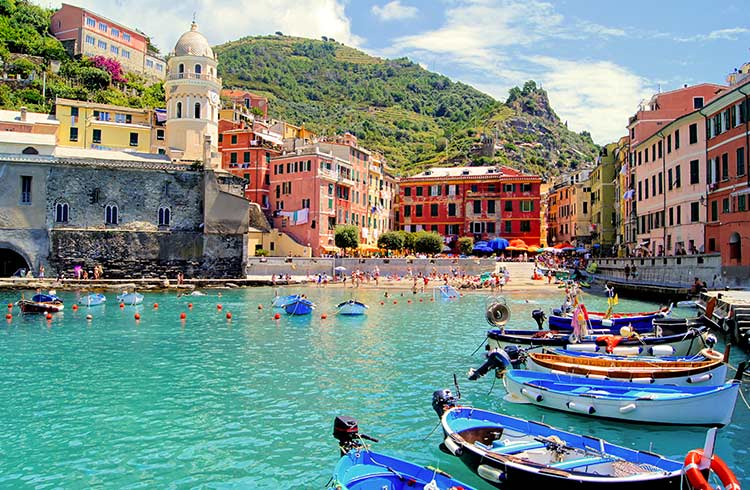

Map your Italian route
Italy’s geography is a long boot, and trying to jump from the rolling hills of Tuscany to the cliffside villages of Sorrento in a single day is a recipe for exhaustion. Instead of treating the country as one big blob, treat it as three distinct logistical zones. This section maps out the practical flow between Tuscany, the Sorrento Peninsula, and Northern Italy, helping you visualize the distances and the best ways to connect them.
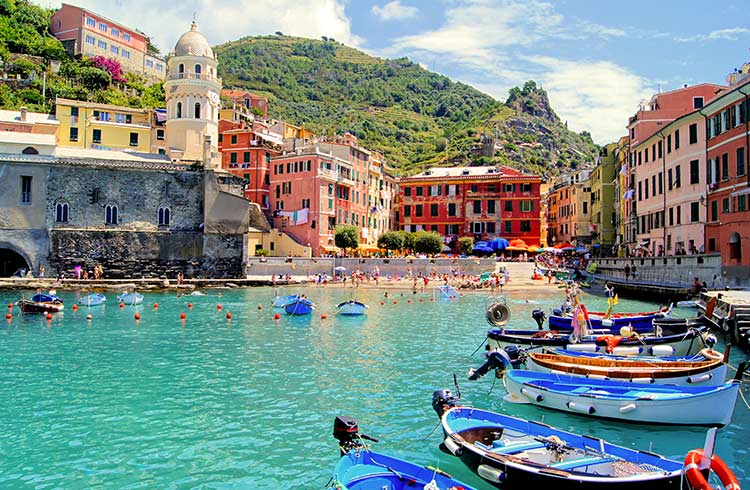
Start in Tuscany. Most itineraries begin in Florence, but use it as a base to explore the countryside. The region is dense with hill towns, but the travel nodes are clear: Florence for culture, Siena for history, and Pisa for a quick stop. The key here is to minimize hotel changes. Stay in one or two locations and take day trips by train or rental car. The roads are narrow, and parking in medieval town centers is often impossible for tourists. If you are driving, stick to the main highways (Strade Statali) and avoid entering historic centers during rush hours.
Next, head south to Sorrento. This is the gateway to the Amalfi Coast and Capri. The journey from Tuscany to Sorrento is long—roughly 4-5 hours by high-speed train to Naples, followed by a Circumvesuviana train or private transfer to Sorrento. Don’t try to drive this route if you’re unfamiliar with Italian coastal roads; the Amalfi Coast is notoriously winding and crowded. Sorrento itself is a pleasant base, but the real magic is in the day trips to Positano, Ravello, and Pompeii. Book ferries in advance during peak season, as they fill up quickly and offer a far more scenic alternative to the congested coastal highways.
Finally, loop back to Northern Italy. This region offers a completely different vibe, from the lakes of Como and Garda to the fashion and finance hub of Milan, and the historic canals of Venice. The best way to connect Sorrento to the North is by train. Take the high-speed Frecciarossa from Naples to Milan or Venice. This leg takes about 4-5 hours and is comfortable, efficient, and avoids the stress of domestic flights. Once in the North, the train network is excellent, making it easy to hop between Milan, Venice, and the lakes without a car.
Here is a visual anchor to help you see how these regions relate geographically:
By mapping your route this way, you avoid backtracking and ensure a logical flow. Tuscany for art and wine, Sorrento for coast and sea, and Northern Italy for lakes and cities. This structure keeps your itinerary balanced and your travel days manageable.
What to wear in Tuscany
Packing for Tuscany requires balancing comfort for uneven terrain with respect for local dress codes. The region’s climate shifts quickly between hot, dry summers and chilly, damp winters, so layering is the most reliable strategy. You will spend many hours walking on cobblestones in Florence, Siena, or San Gimignano, so prioritize supportive footwear over fashionable flats that lack arch support.
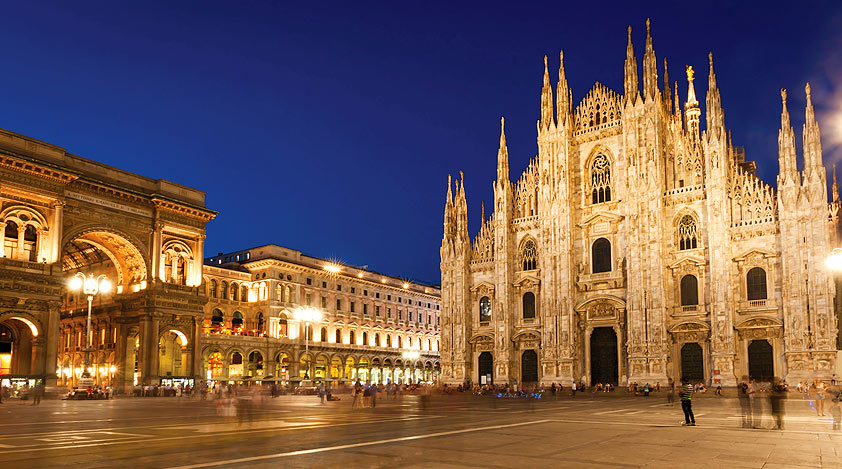
In cities like Florence, locals favor a "casual-chic" aesthetic. Think tailored jeans, linen shirts, or simple dresses paired with leather sandals or clean sneakers. Avoid athletic wear, gym shorts, or flip-flops unless you are at the beach or hiking in the hills; wearing gym clothes in urban centers marks you immediately as a tourist and can feel out of place in nicer cafes or restaurants.
Religious sites, such as the Duomo in Florence or the Basilica of San Francesco in Assisi, enforce strict dress codes. Both men and women must cover their shoulders and knees. Carry a lightweight scarf or shawl in your day bag; it serves double duty for sun protection and modesty when entering churches. If you plan to visit these sites, ensure your shorts, skirts, or tops meet these requirements to avoid being turned away at the entrance.
For the countryside, especially during spring and autumn, evenings can drop significantly in temperature. A light jacket or cardigan is essential, even in summer. The key is versatility: pack items that mix and match easily, allowing you to adapt to changing weather and varying social settings without overpacking.
Packing for Sorrento heat
Sorrento sits on the Amalfi coast, where the Mediterranean sun bakes the limestone streets and the air hangs heavy with salt and humidity. Unlike the cooler breezes of Northern Italy, packing here requires a shift in strategy. You are not just dressing for warmth; you are dressing for a humid oven that can make heavy fabrics cling and uncomfortable within minutes of stepping off the bus.
Focus on breathable, natural fibers that allow your skin to breathe. Linen shirts, loose cotton trousers, and lightweight dresses are essential. Avoid synthetic materials like polyester, which trap heat and moisture against your body. A wide-brimmed hat and UV-protection sunglasses are non-negotiable for walking the steep, sun-drenched paths of the Villa Comunale or the narrow alleys leading down to Marina Piccola.
Evenings in Sorrento bring a different kind of demand. While the heat breaks slightly after sunset, the town remains vibrant with seaside dinners and passeggiata strolls. Pack one or two smarter outfits—such as a light blazer for men or a flowing maxi dress for women—to transition from day exploration to evening dining along the waterfront. Comfortable walking sandals with good grip are also critical, as the cobblestones can be slippery and uneven, especially when crowded.
Don't forget high-SPF sunscreen and a reusable water bottle. Refill stations are available throughout the town, and staying hydrated is the most practical way to manage the intense coastal heat without compromising your energy for sightseeing.
Northern Italy layering strategy
Italy Travel works best as a clear sequence: define the constraint, compare the realistic options, test the tradeoff, and choose the path with the fewest hidden costs. That order keeps the advice usable instead of decorative. After each step, pause long enough to check whether the recommendation still fits the reader's actual situation. If it depends on perfect timing, unusual access, or a best-case budget, include a simpler fallback.
The simplest way to use this section is to write down the real constraint first, compare each option against it, and choose the path that still works outside ideal conditions.
Essential travel checklist
Before you head to Tuscany’s vineyards or navigate Sorrento’s steep hills, pack these non-negotiables. They keep your trip smooth and your wallet safe.
Documents and money
Carry a physical copy of your passport and visa (if required). Store digital scans in a secure cloud folder. Italy uses the Euro, but many smaller shops in rural areas are cash-only. Keep a small stash of coins for public restrooms.
Power and connectivity
Italy uses Type L outlets (three round pins). Bring a universal adapter that supports this specific shape. For data, an eSIM is the most reliable option for moving between cities. It avoids roaming fees and works instantly upon arrival.
Smart apps
Download Trenitalia or Italo for train tickets. Buying online saves money and skips long lines at station kiosks. For local transit in cities like Florence, use official city apps rather than relying on street vendors who may sell outdated maps.
-
Passport & Visa Copies
-
Type L Power Adapter
-
Offline Maps Downloaded
-
Train Tickets Pre-Purchased
-
Travel Insurance Details
No comments yet. Be the first to share your thoughts!