

Plan the route
Italy Travel works best as a clear sequence: define the constraint, compare the realistic options, test the tradeoff, and choose the path with the fewest hidden costs. That order keeps the advice usable instead of decorative. After each step, pause long enough to check whether the recommendation still fits the reader's actual situation. If it depends on perfect timing, unusual access, or a best-case budget, include a simpler fallback.
Stops worth prioritizing
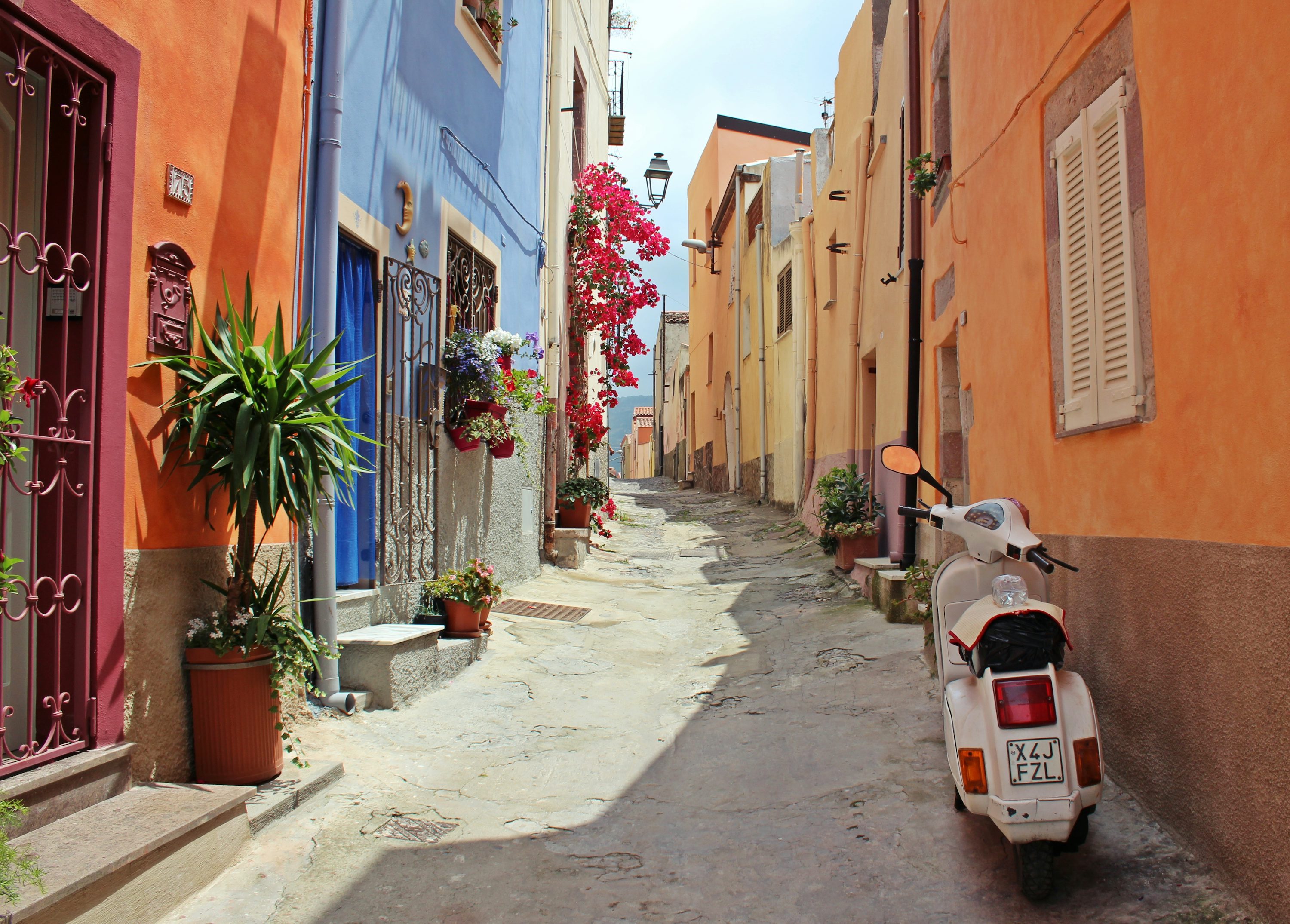
Italy’s top regions pull in millions of visitors, but trying to hit every highlight in one trip leads to burnout. The smartest itineraries treat the country as a set of distinct zones rather than a single checklist. You can experience the art of Florence, the coast of Sorrento, and the lakes of the north without feeling like you’re rushing between airports.
The best approach is to anchor your trip in two or three base locations. This lets you explore the surrounding countryside and smaller towns on day trips, which is often where the most memorable moments happen. Stick to this rhythm to keep your travel pace relaxed and authentic.
Florence and Tuscany
Florence is the gateway to Tuscany, but the city itself can feel overwhelming if you try to see everything in a single day. Focus on the Duomo complex, the Uffizi Gallery, and a walk across the Ponte Vecchio. From there, use Florence as a hub to visit Chianti wine country or the hilltop town of San Gimignano. These day trips offer a taste of rural Italy without the hassle of constant hotel changes.
Sorrento and the Amalfi Coast
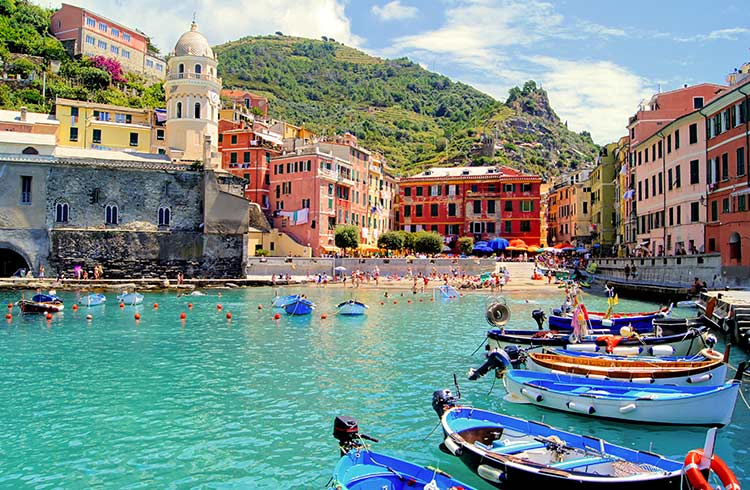
Sorrento sits at the head of the Amalfi Coast, making it a logical starting point for exploring the southern coastline. The town itself has a charming historic center, but the real draw is the dramatic cliffs and colorful villages like Positano and Amalfi. Take a ferry to Capri for a day trip to see the Blue Grotto and escape the mainland heat. The coastal road is stunning, but traffic can be heavy, so planning your transport in advance is essential.
Northern Lakes and Milan
The north offers a different pace, centered around the serene beauty of Lake Como and Lake Garda. Milan serves as the major transport hub, but many travelers skip it to head straight to the lakes. The region is known for its fashion, design, and colder winters. If you visit in spring or autumn, the lake towns are quiet and perfect for long walks. In summer, the area gets busy with tourists, so booking lake cruises and popular villa tours early is necessary.
Quick Comparison of Key Regions
| Region | Best For | Ideal Duration | Peak Season | Vibe |
|---|---|---|---|---|
| Tuscany | Wine, art, countryside | 4-5 days | May, June, Sept | Relaxed, rustic |
| Amalfi Coast | Coastal views, beaches | 3-4 days | June, July, Aug | Lively, scenic |
| Northern Lakes | Nature, luxury, hiking | 3-4 days | July, Aug | Quiet, elegant |
Timing and logistics
Italy’s infrastructure is modern but fragmented. Success depends on respecting the constraints of train schedules, ZTL zones, and museum booking windows. Treat your itinerary like a Gantt chart, not a wish list. Leave buffer time between cities and never assume you can walk up and buy a ticket for the Uffizi or the Colosseum in July.
Parking and driving
Renting a car is essential for Tuscany’s countryside or the Amalfi Coast, but it is a liability in historic city centers. Almost every old town in Italy has a Zona a Traffico Limitato (ZTL)—a restricted traffic zone monitored by cameras. If you drive into a ZTL without a permit, you will receive a fine mailed to your credit card company months later. Park outside the walls in designated lots and take a bus or walk into the center.
In Sorrento and Northern Italy, parking is scarce and expensive. Use hotel valet services whenever possible. If you are driving in the Dolomites or Lombardy, note that winter tires or snow chains may be required from November to April, even in mild years. Check local road conditions daily.
Train travel and reservations
High-speed trains (Frecciarossa, Italo) are the backbone of Italian travel between Rome, Florence, Venice, and Milan. You must reserve a specific seat and time for these tickets; they are not open-ended. Book these 60–90 days in advance for the best prices. Regional trains (Regionale) do not require reservations and are cheaper for short hops, but they are slower and often crowded.
Always validate your regional ticket in the small green or yellow machines on the platform before boarding. Failure to do so results in a heavy fine, regardless of whether you actually sat in the seat. Keep digital tickets handy, but have screenshots saved offline in case cell service drops in tunnels.
Museum and site reservations
Skip-the-line tickets are not a luxury; they are a necessity for major sites. The Uffizi Gallery, Accademia (David), and the Colosseum sell out weeks in advance during peak season. Book directly through official websites to avoid third-party markups. For smaller churches and museums, arrive early in the morning or late in the afternoon to avoid crowds.
When to go
April–May and September–October offer the best weather and manageable crowds. June and July are hot, expensive, and packed. August is when Italians themselves go on vacation; many local businesses in cities close, and coastal areas are overwhelmed. If you must travel in summer, book everything months ahead and plan indoor activities for the midday heat.
No comments yet. Be the first to share your thoughts!